When venturing into the great outdoors, having the right lighting gear is essential. According to a recent market report by Grand View Research, the global outdoor lighting market, which includes flashlights and headlamps, is projected to reach USD 5 billion by 2026. This growth indicates a heightened awareness among outdoor enthusiasts regarding the importance of reliable lighting. Among these tools, a flashlight headlamp has emerged as a favorite for its hands-free convenience and versatility.
Outdoor activities often present unforeseen challenges, and the right headlamp can significantly enhance safety and performance. Reports indicate that 70% of outdoor accidents occur in low-light conditions. A good headlamp illuminates the path ahead, allowing users to navigate rocky terrain or engage in nighttime camping. However, not all headlamps are created equal. Quality, brightness, and battery life are key elements that matter.
While many brands offer appealing features, it’s crucial to examine user reviews and product specifications closely. Some headlamps may claim high lumens but deliver poor battery performance. This gap highlights the need for careful consideration when selecting a headlamp. Understanding these factors can lead to more informed choices and a safer outdoor experience.
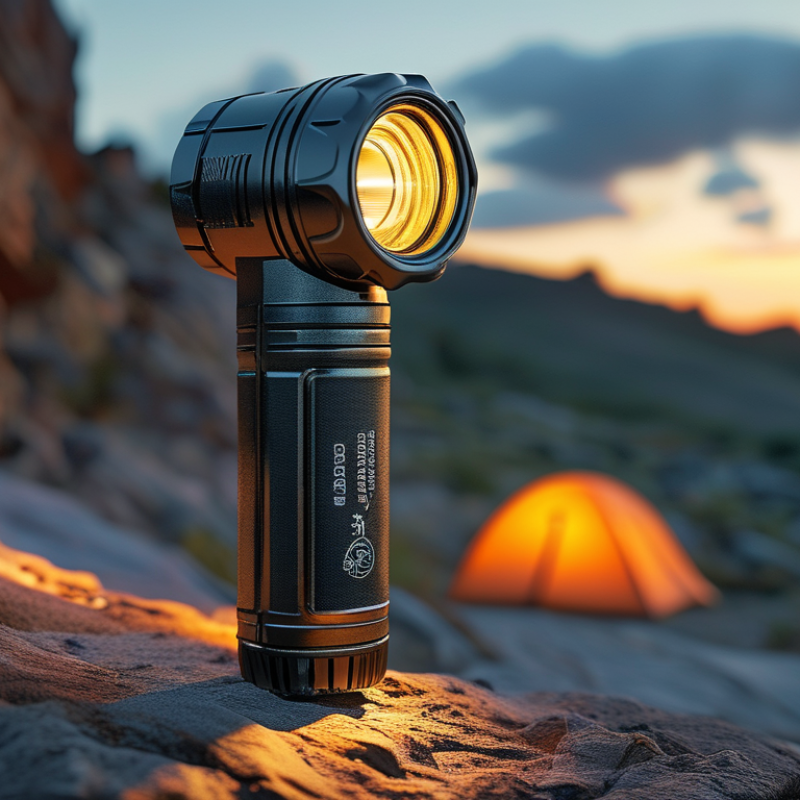
Types of Headlamps for Outdoor Activities
When choosing a headlamp for outdoor activities, it’s essential to understand the different types available. The main categories include general-use headlamps, which are versatile and suitable for casual hiking or camping. These offer moderate brightness levels and good battery life. You might find them helpful for setting up a camp or reading a map at night.
Then there are specialized headlamps for specific activities. For example, if you’re into caving or spelunking, look for models with red light modes. These preserve your night vision while allowing you to see your surroundings. If you plan to go mountain climbing or running, opt for lightweight options that provide a secure, adjustable fit. This ensures comfort during long hours.
Moreover, make sure to consider waterproof ratings. Performance in wet conditions can impact your trip. A reliable headlamp should resist moisture and still function in rain or damp environments. Without this, you risk being caught in darkness. Finding the right balance between weight, brightness, and battery life can be challenging, but it's vital for safety in the outdoors.
Key Features to Consider in a Headlamp
When choosing the best headlamp for outdoor activities, several key features come into play. Brightness is a primary concern. Measured in lumens, you want a light that can illuminate your path clearly. For most outdoor enthusiasts, a range between 200 to 500 lumens is adequate. However, if you engage in activities like caving or climbing, consider higher lumens for safety.
Another crucial aspect is battery life. Options vary from disposable batteries to rechargeable models. A longer battery life reduces the need for frequent replacements, especially during extended trips. It's also wise to check for multiple brightness settings. This lets you adapt the light to your needs, conserving battery for when you truly require maximum illumination.
Choosing a comfortable fit is essential too. Look for adjustable straps and lightweight designs. Some users may find heavier models uncomfortable over time. Waterproof ratings and durability also factor in, especially in unpredictable weather. A headlamp that can withstand rain and rough conditions will serve you better.
Consider using your headlamp hands-free with a tilt feature. This allows you to direct the light exactly where needed, leaving your hands free for other tasks. Engage in practice runs at home. This helps you understand the settings and find the best comfort fit. Testing it outdoors before a big trip can reveal areas that need reconsideration.
Top Brands and Models for Outdoor Headlamps
When selecting the best headlamp for outdoor activities, consider various brands and models known for reliability and performance. Few outdoor enthusiasts can deny the importance of a dependable headlamp. You need a device that can illuminate your path during night hikes or camping adventures. Certain features significantly enhance usability, including brightness levels, beam distance, and battery life.
Leading brands often focus on durability and water resistance. Many users seek lightweight models, especially for long treks. Some headlamps offer adjustable brightness, which can save battery life. However, not all brands excel in comfort for extended wear. Some designs may be a little bulky or unstable during movement. It's essential to try them on to find a balance between comfort and functionality.
Many users report mixed experiences with headlamp longevity. Battery management might be a concern with certain brands. Some models might drain faster than expected. Therefore, researching user reviews can provide valuable insights. Real-world performance often reveals details that product descriptions alone cannot convey. As you explore options, consider how often you'll use the headlamp and in what conditions. Your perfect choice may not be as straightforward as expected.
Comparative Analysis of Brightness and Battery Life
Choosing a headlamp for outdoor activities involves understanding brightness and battery life. Brightness is measured in lumens. A higher lumen count means a brighter light. For most outdoor adventures, 200–300 lumens is sufficient. It provides good visibility for hiking, camping, or cycling at night.
Battery life is equally crucial. Some headlamps use rechargeable batteries, while others rely on disposable ones. Rechargeable options may offer a longer lifespan. However, you need access to power. It’s important to balance brightness and battery life based on your specific needs.
Consider the environment. If you're in remote locations, you might want a longer-lasting battery. A headlamp with multiple brightness settings can help save battery life. This feature lets you adjust the light based on your surroundings. When choosing a headlamp, think about your activity duration. Short hikes may not need the same battery capacity as an extended camping trip. Evaluate your usage pattern, and this will guide your purchase decision.
Best Practices for Using Headlamps During Outdoor Activities
When heading out for outdoor adventures, using a headlamp effectively can enhance safety and enjoyment. One key practice is to adjust the brightness based on your surroundings. If you're in a dense forest, a higher brightness is helpful, while lower settings are perfect for keeping a low profile in wildlife areas. This not only preserves battery life but also minimizes disturbance to local fauna.
Wearing the headlamp correctly is essential. Ensure the strap fits snugly on your head, but not too tight. It should sit comfortably above your forehead. A well-positioned lamp creates an even light spread, making it easier to spot obstacles. Sometimes, it may feel awkward or slip during movement. Regularly checking and readjusting can prevent accidents.
Another consideration is to familiarize yourself with your headlamp's features before your trip. Know how to switch modes, whether it's bright beams or strobe settings. This familiarity can save time in dark environments. It’s common to fumble with buttons when you're anxious or in a hurry. Practicing in low light helps build confidence for those moments when the stakes are higher.
Best Headlamp Features for Outdoor Activities
FAQS
: There are general-use headlamps and specialized ones. General-use headlamps are versatile for hiking and camping.
Red light modes preserve night vision while helping you see your surroundings. It’s crucial in dark environments.
The strap should fit snugly but not too tight. A good fit helps keep the lamp secure during movement.
Look for adjustable brightness features. They can help extend battery life during longer activities, which is vital.
In dense forests, use a higher brightness. Lower brightness is better for wildlife areas to reduce disturbances.
Familiarizing yourself with features saves time in emergencies. It helps avoid fumbling in the dark and builds confidence.
Regularly readjust the position if it slips. This prevents accidents and ensures an even light spread on your path.
Users often report concerns about battery drain. Some models may not last as long as expected in real-world use.
Waterproof ratings matter. A reliable headlamp should function in rain or damp environments to avoid being caught in darkness.
Conclusion
When choosing the best headlamp for outdoor activities, it's essential to understand the different types available, such as those designed for camping, hiking, or spelunking. Key features to consider include brightness levels, battery life, comfort, and weather resistance. These characteristics determine a headlamp's effectiveness in various conditions, ensuring that it can withstand outdoor elements while providing adequate illumination.
A comparative analysis of brightness and battery life reveals the importance of selecting a headlamp that balances these factors for your specific needs. Additionally, knowing best practices for using headlamps, such as making adjustments based on activity and environment, enhances safety and performance. Overall, a good flashlights headlamp can significantly elevate your outdoor experience, making it essential for adventurers and outdoor enthusiasts alike.

 MENGTING