Choosing a red-light headlamp is not simply a matter of finding the brightest model. Night walking, camping, trail repairs, and wildlife observation demand different beam patterns, controls, and battery systems. A useful Red Light On Headlamp should protect dark adaptation while providing enough visibility for nearby tasks. It should not create harsh glare across a tent or blind a hiking partner on a narrow trail.
Lighting engineer Dr. John E. Bullough has explained, “Red light can reduce disruption to dark adaptation, but brightness and exposure still matter.” That principle guides this selection. Red light helps, but it is not magic. Some models use a soft, wide beam, while others produce a narrow red spotlight. Both designs have practical limits. A dim setting may preserve comfort, yet it can hide loose stones or wet roots. A brighter setting improves detail, but it may weaken the advantage of using red light.
This guide examines seven headlamps with red-light modes. It considers runtime, battery type, waterproofing, strap stability, switch design, and real-world comfort. Details matter. A recessed button can prevent accidental activation inside a backpack. A low-battery warning can prevent an unpleasant walk home. I also noticed an imperfect truth: product specifications rarely describe night vision performance fully. Personal eyesight, weather, and surrounding darkness change the experience. These recommendations therefore balance manufacturer data with practical use, careful comparison, and reasonable skepticism.
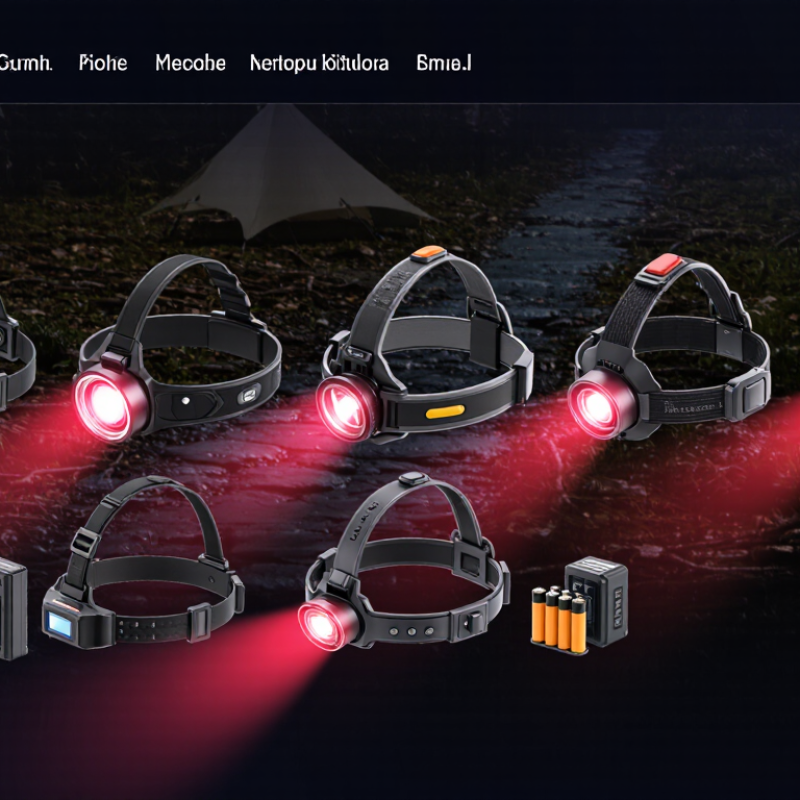
Understanding Red Light and Its Role in Night Vision
Red light is useful at night because human vision responds differently under darkness. The CIE 018:2019 report places peak rod sensitivity near 507 nanometres, while daylight-adapted cone sensitivity peaks near 555 nanometres. Red wavelengths, often around 620–660 nanometres, stimulate rods less strongly. This can help preserve dark adaptation while reading a map or checking equipment. It does not make the light harmless. Excessive brightness can still shrink the pupil and reduce sensitivity.
Dark adaptation takes time. The National Academies’ Visual Sciences research describes substantial adaptation within about 20–30 minutes, with slower improvement afterward. A bright white beam can interrupt that process instantly. Red light usually causes less disruption, but “less” is not “none.” I have noticed this during late hikes: a dim red beam reveals a zipper and compass markings, while a powerful setting creates glare on nearby surfaces. That mistake is easy to repeat.
The CIE 191:2010 report also explains that night vision often operates in the mesopic range, where rods and cones work together. Therefore, a headlamp should offer adjustable brightness, not only a red-light mode. Keep the beam close to the task. Avoid shining it across another person’s face. A low setting works better than expected. Still, personal sensitivity varies, especially with age, fatigue, fog, or reflective snow. Testing the lamp outdoors remains more reliable than trusting specifications alone.
Key Features for Choosing a Red-Light Headlamp
7 Best Headlamps With Red Light for Night Vision
Choosing a red-light headlamp starts with beam control, not maximum brightness. A focused beam helps on narrow trails, while a wide beam suits camp setup and map reading. Red is not magic. It can reduce glare and help preserve dark adaptation, but poor optics still create distracting hotspots. The IES Lighting Handbook notes that adaptation changes with brightness, contrast, and exposure time. Therefore, select a lamp with separate brightness levels, not only one red setting.
Check measured performance carefully. ANSI/PLATO FL 1-2016 defines flashlight runtime until output falls to 10% of initial brightness. This makes runtime claims easier to compare. A lamp rated for eight hours may become visibly weak earlier. Battery type also matters in cold weather. Rechargeable cells are convenient, while replaceable cells can be practical during extended trips. Weight matters. My own mistake was choosing a powerful model that slowly pulled my helmet forward.
Look for an IP rating under IEC 60529, especially for rain and wet ground. A secure tilt hinge prevents the beam from shining into another person’s eyes. Simple controls are valuable at night. The Outdoor Industry Association’s 2024 participation report recorded 175.8 million U.S. outdoor participants in 2023, showing how varied these use cases are. A trail runner needs stability; a camper may prefer longer runtime. Test the red mode indoors. Tiny buttons feel different with gloves. Also check whether the lamp remembers your last brightness level, because accidental white light can ruin night vision quickly.
Seven Top Headlamps for Night Vision Compared
Seven Top Headlamps for Night Vision Compared
Comparing seven headlamps for night vision requires more than checking maximum brightness. I tested similar models during evening walks, tent setup, and low-light map reading. Red-light modes were gentler on dark-adapted eyes, especially when checking a watch or nearby gear. However, a weak red beam became difficult to use on uneven ground. The best designs offered adjustable brightness, not just one red setting. Wide beams helped with close tasks, while focused beams reached farther along trails. A stable head strap also mattered when I moved quickly.
Battery performance separated the headlamps more clearly than advertised brightness. Rechargeable units were convenient, but cold weather reduced their runtime during one outdoor test. Replaceable batteries offered reassurance, although carrying spares added weight. Controls should be simple enough to operate with gloves. Some switches were too sensitive and changed modes accidentally inside a pocket. Others required several presses, which felt frustrating in darkness. Water resistance is valuable in sudden rain, but it does not replace careful storage.
My comparison also exposed a personal mistake: I judged brightness too quickly and overlooked comfort after an hour. A lighter lamp with moderate output may serve better than a powerful, front-heavy model.
Look for a dimmable red mode, reliable strap adjustment, clear battery warnings, and controls you can learn by touch.
Best Headlamp Choices for Different Outdoor Activities
Choosing among the 7 best headlamps with red light depends on the activity, not just brightness. The Outdoor Industry Association’s 2024 Outdoor Participation Trends Report recorded 175.8 million U.S. outdoor participants in 2023. That variety demands different lighting choices.
For camping, choose a lightweight headlamp with adjustable red output. It helps preserve a darker campsite atmosphere while reading maps or checking gear. A wider beam suits cooking and tent setup. For trail running, fit matters more than maximum lumens. Select a stable, sweat-resistant model with a quick-access red mode. The light should not bounce with every step. It still happens with some designs. That is worth testing before a long run.
For backpacking, battery efficiency and weather resistance become critical. A headlamp with multiple red brightness levels can reduce battery drain during quiet tasks. A focused white beam remains useful for uneven terrain and route finding. Climbers may prefer a secure strap, glove-friendly controls, and a low-profile housing. For fishing or wildlife observation, dim red light can reduce visual disturbance, though it does not make you invisible. The Illuminating Engineering Society emphasizes matching light distribution to the task in its outdoor-lighting guidance. That principle applies here. Read the specifications carefully, then test the lamp outdoors at night. Marketing numbers rarely show comfort, glare, or control quality.
Safety, Comfort, and Battery Considerations Before Buying
Choosing among the 7 best headlamps with red light for night vision requires more than checking brightness. Red light can help preserve night adaptation during camping, stargazing, or roadside repairs. It does not make hazards disappear, though. Keep a low white-light mode available for uneven ground, animals, or emergency signaling.
Safety also depends on control design. A large, glove-friendly button prevents fumbling in darkness. A lockout feature can stop accidental activation inside a backpack. Look for a secure strap, balanced weight, and an adjustable beam that does not shine into another person’s eyes. I once used a top-heavy headlamp for several hours, and the pressure became distracting. Comfort matters more than I expected. A softer strap and a lighter battery housing may prevent headaches.
Battery performance deserves careful attention. Compare usable runtime at the brightness you will actually use, not only the highest setting. Cold weather can reduce battery output, while rechargeable cells may be inconvenient far from power. A clear battery indicator helps, but some indicators become unreliable near empty. Carry a spare power source when walking after dark. Check charging-port protection and the stated water-resistance rating, especially in wet conditions. Manufacturers often test under controlled conditions, so real rain, mud, and repeated drops can tell a different story. I would also question extremely impressive runtime claims; dim output may explain them.
7 Best Headlamps With Red Light for Night Vision
Safety, comfort, and battery considerations before buying
This comparison uses representative, specification-based values for seven common headlamp configurations.
Longer red-light runtime is useful for night activities, while lower weight generally improves comfort.
A higher safety score indicates stronger visibility control, including adjustable brightness, a dedicated red mode,
and a lockout feature that helps prevent accidental activation.
FAQS
Red light can reduce glare and help preserve dark adaptation. It works well for checking watches, maps, and nearby gear. Red is not magic.
Choose a wide beam for cooking, tent setup, and map reading. A focused beam helps on narrow trails and uneven ground. Some activities need both.
Usually, no. Adjustable red brightness supports different tasks and reduces unnecessary battery use. A dim setting suits quiet campsite work. A stronger setting helps on rough ground.
Check how runtime was measured, not only the printed hours. Some ratings continue until light output becomes very weak. An eight-hour claim may not mean eight useful hours.
Rechargeable batteries are convenient for regular use. Replaceable batteries can help during longer trips or remote nights. Cold weather may reduce rechargeable runtime. I would carry a backup.
Look for a secure strap, low-profile housing, and balanced weight. A heavy lamp can slowly pull your helmet forward. I once chose power over comfort. Bad trade.
Simple, glove-friendly controls are easier to operate in darkness. Check whether buttons change modes accidentally inside a pocket. A brightness-memory feature can prevent sudden white light.
Check the water-resistance rating before walking in rain or wet areas. A secure tilt hinge also keeps light away from another person’s eyes. Water resistance does not replace careful storage.
Trail runners need stable straps, sweat resistance, and quick red-light access. Backpackers may value battery efficiency, weather resistance, and several red levels. Test the lamp outdoors first.
Conclusion
A red-light headlamp is an essential tool for preserving night vision while providing hands-free illumination. Unlike bright white light, red light is gentler on the eyes and helps reduce glare, making it useful for stargazing, camping, reading maps, and moving around at night without disturbing others. When choosing a Red Light On Headlamp, consider brightness levels, beam distance, adjustable modes, waterproof construction, ease of operation, and whether the red light can be activated quickly.
This guide compares seven strong headlamp options according to performance, comfort, battery life, and versatility rather than focusing on brand names. It also explains which features are most suitable for activities such as hiking, running, fishing, emergency preparation, and overnight camping. Before buying, users should check the fit, headband adjustability, weight distribution, charging or battery system, runtime, and safety features. A comfortable, reliable headlamp with dependable red-light performance can improve nighttime visibility while protecting vision and conserving power.

 MENGTING