10 Best LED Headlamp Head Lights for 2026

Time:2026-11-20 Author:Sienna
0%

A dependable Led Headlamp Head Light should do more than produce a bright spot. It should keep the path visible, fit securely, and remain useful when cold air drains a battery faster than expected. Small details matter: a glove-friendly switch, a stable strap, and a beam that does not wash out nearby trail markers.

The U.S. Department of Energy’s 2019 Solid-State Lighting forecast projected that LED lighting could save 569 terawatt-hours annually by 2035 across general illumination. That broad forecast is not a headlamp performance test. Still, it reflects how widely efficient LED technology has reshaped lighting. Lighting researcher Dr. Mariana Figueiro has described light as “the most powerful synchronizer of the circadian system,” a reminder that illumination affects more than visibility. For headlamps, though, beam pattern, color, runtime, and comfort deserve direct attention.

This 2026 guide compares ten options through practical criteria: brightness claims, battery type, weight, weather resistance, and ease of use. Published lumen ratings can help, but they do not tell the whole story. A narrow beam may reach farther, while a broad flood beam can make rocky ground easier to read. Real runtime also varies with settings and temperature. No single model suits every outing. Choose for the work ahead, then check the manufacturer’s specifications before buying.
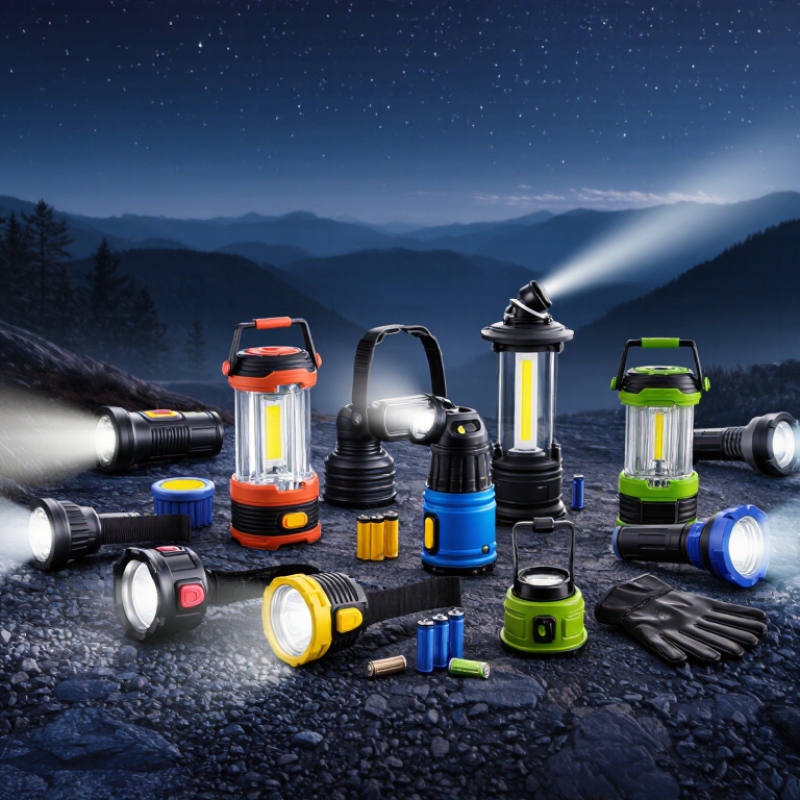
10 Best LED Headlamp Head Lights for 2026

Understanding LED Headlamps and Their Main Features

An LED headlamp turns hands-free light into a practical tool for evening walks, home repairs, and outdoor tasks. Its usefulness depends on more than brightness. Check the beam pattern, battery type, weight, and controls before choosing a model.

A high lumen rating can sound impressive, but it does not guarantee an even, comfortable beam. A broad flood beam helps illuminate nearby surfaces, while a focused spot reaches farther along a path. Some headlamps offer both, which can be handy when moving between close work and distant objects.

Color temperature affects how the scene appears. Cooler light can make edges look crisp, while warmer light may feel gentler in fog or around camp. Battery life also changes with brightness, so compare runtime at settings you would actually use.

Small controls should be easy to find with gloves on. The fit matters, too: a front-heavy lamp may slide when you bend down, even if its strap feels secure in a shop. Not glamorous, but important. Look for a tilting lamp head and a strap that adjusts without pinching.

Weather resistance can protect against rain, though it does not mean every model is suitable for immersion. One detail is easy to overlook: red-light modes may preserve night vision, but they are not a substitute for a strong white beam when clear visibility matters.

Key Factors for Evaluating Headlamps in 2026

For 2026, judge a headlamp by the light it puts on a trail, not just its advertised lumen count. A wide, even beam helps reveal roots near your feet, while a focused center spot reaches farther down a dark path. Check whether brightness settings are easy to change with gloves on. Small controls matter. A switch that is hard to find can be frustrating in cold weather.

Runtime, weight, and fit deserve equal attention. Compare battery life at the brightness you would actually use; maximum-output figures may not reflect an entire evening outdoors. A lamp that feels light in a store can bounce during a jog, so adjust the strap and move your head before deciding. Rechargeable batteries are convenient, but check how charging works and whether the lamp can use replaceable cells. That trade-off is not always obvious.

Look for a clearly stated water-resistance rating and a housing that feels secure around its hinges and battery compartment. Red light can preserve night vision for nearby tasks, though it is not a substitute for a useful white beam. A practical evaluation includes testing the lamp on a dim path, reading its controls, and checking for hot spots or glare. Even a careful check has limits: comfort changes after an hour, and cold can affect battery performance.

The 10 Best LED Headlamps for 2026 Compared

Choosing among ten LED headlamps is less about chasing the highest lumen number and more about matching the beam to the task. A narrow, focused beam can help spot a trail marker, while a wide flood beam makes tent setup easier. Several options balance both with adjustable settings. Look for clear runtime figures at each brightness level, not just a maximum rating. That detail matters.

The comparison also weighs comfort, controls, and power. Lightweight models suit short walks, but a thin strap may slip over a winter hat. A rear battery pack can distribute weight, though it may feel awkward against a pack hood. Rechargeable designs reduce spare batteries; replaceable-cell models can be easier to keep running on longer trips. Check whether the charging port is covered and whether the buttons are easy to find with gloves. Small things count.

Weather resistance and red-light modes can distinguish otherwise similar choices. A sealed housing offers reassurance in rain, but no rating makes careless storage wise. Not always. Beam distance claims also deserve context: fog, trees, and low battery can change what you actually see. For close work, stable low output may matter more than a dramatic peak. I would compare each headlamp by its intended use, fit, and sustained brightness, then accept that one “best” pick may not suit every head. My own preference can shift after an uncomfortable hour.

10 Best LED Headlamp Head Lights for 2026 — The 10 Best LED Headlamps for 2026 Compared

A brand-free comparison of headlamp types, matched to common uses and practical selection criteria.

Rank Best For Typical Maximum Output Typical Beam Distance Typical Weight* Power Style Key Advantage Consider Before Choosing
1 All-around trail use 300–600 lumens 70–120 m 75–120 g Rechargeable battery, sometimes with disposable-battery backup Balanced brightness, weight, and beam options for hiking and camping Check whether the stated runtime is for the highest setting or a lower mode.
2 Ultralight backpacking 100–300 lumens 40–80 m 30–75 g Small rechargeable battery or coin-cell batteries Low carry weight and compact size Usually offers less sustained brightness and fewer advanced features.
3 Long-distance night running 400–800 lumens 100–160 m 100–180 g Rechargeable battery; some designs use a rear battery pack Greater forward visibility and a secure fit for movement Prioritize bounce control, comfort, and a stable strap over peak output alone.
4 Hands-on work and close-up tasks 300–700 lumens 40–100 m 80–160 g Rechargeable battery or replaceable batteries Wide flood beam helps illuminate nearby work areas A broad beam can provide less reach than a focused spot beam.
5 Caving and demanding outdoor use 600–1,500 lumens 120–200 m 150–300 g High-capacity rechargeable battery, often detachable High output and longer-range illumination for dark environments Higher settings can generate more heat and reduce runtime substantially.
6 Cold-weather trips 300–800 lumens 70–150 m 100–220 g Rechargeable or replaceable batteries; remote battery packs are common A battery pack worn under clothing can help keep batteries warm Battery performance varies with temperature; review cold-weather guidance.
7 Rainy hikes and wet conditions 300–700 lumens 60–130 m 80–170 g Rechargeable or replaceable batteries Weather-resistant construction is useful in rain and splashes Check the stated IP rating; water resistance does not automatically mean submersible.
8 Emergency and backup lighting 150–400 lumens 40–100 m 60–130 g Replaceable batteries or dual-fuel power Replaceable cells can be convenient when recharging is unavailable Store spare batteries safely and check the light periodically.
9 Camping and general household use 200–500 lumens 50–110 m 60–140 g USB-rechargeable battery or replaceable batteries Useful brightness range for camp chores, walks, and power outages Look for a comfortable strap and a low mode for nearby tasks.
10 Hard-hat and helmet mounting 300–1,000 lumens 70–160 m 100–250 g Rechargeable battery; some models use a separate battery pack Mounting options can keep the light secure on compatible helmets Confirm mount compatibility and the helmet manufacturer’s requirements.

*Approximate category-level ranges, not specifications for particular products. Output, beam distance, and weight vary by design and measurement method. Maximum lumen output alone does not indicate how long a headlamp sustains that brightness; compare runtime charts and water-resistance ratings before buying.

Matching Headlamps to Different Activities and Needs

10 Best LED Headlamp Head Lights for 2026: Matching Headlamps to Different Activities and Needs

The right headlamp depends on what you do, not just its maximum lumen rating. Trail runners benefit from a light, stable fit and a beam that reveals roots without bouncing. Campers often need a wide, even beam for cooking and packing, plus a low setting that preserves night vision. For repair tasks, prioritize comfortable controls and a beam that stays on the work area. The Outdoor Industry Association’s 2024 Outdoor Participation Trends Report recorded 175.8 million U.S. outdoor participants in 2023, reflecting how varied outdoor needs can be. One lamp may not suit every outing.

Tips: Compare beam distance and runtime using ANSI/PLATO FL 1 measurements, rather than relying on headline brightness alone. Carry spare power for long trips. Cold can reduce battery performance.

Check the strap with gloves on, and test whether the light tilts without slipping. For wet-weather use, look for a clearly stated water-resistance rating; vague claims are hard to compare. A brighter setting can help you spot distant trail markers, but it may drain power quickly and create glare for nearby people.

It is easy to overvalue peak brightness. Fit and usable runtime matter just as much.

Using and Maintaining an LED Headlamp Safely

Using and Maintaining an LED Headlamp Safely

A headlamp keeps both hands free, but a narrow beam can hide hazards beyond its bright center. Aim it at the path, not another person’s eyes or a reflective surface. OSHA’s construction illumination table specifies at least 5 foot-candles, roughly 54 lux, for general construction areas; a headlamp should supplement suitable area lighting, not replace it. (29 CFR 1926.56.) Check the strap and housing before use. Cracks, loose hinges, or a flickering beam deserve attention.

Tips: Wipe the lens with a soft cloth. Test the switch and beam before entering a dark area. Keep spare batteries dry, and match replacements to the manufacturer’s specifications. Small checks matter.

After use, remove dirt and moisture before storing the lamp. Do not leave it baking on a car dashboard; heat can shorten battery life. Rechargeable cells should be charged with compatible equipment and removed from service if swollen, leaking, or unusually hot. I sometimes find that a “quick check” gets skipped when work is rushed. That is exactly when a damaged strap or weak battery can go unnoticed. Keep the lamp secure, use the lowest brightness that still shows obstacles clearly, and pause if glare or eye strain builds. A safer beam is not always a brighter beam.

FAQS

Should I choose a headlamp by its highest lumen rating?

Not alone. A wide, even beam can reveal nearby roots better than a bright, narrow spot.

What beam works best for setting up a tent?

A wide flood beam lights nearby ground and gear. A focused center beam helps spot distant trail markers.

How can I judge battery runtime?

Check runtime at the brightness you expect to use. Maximum-output figures may not last through an evening walk.

How do I know if a headlamp fits well?

Adjust the strap and move your head before buying. A lamp that feels light in a shop may bounce while jogging.

Are rechargeable batteries always more convenient?

They reduce the need to carry spare cells. Replaceable batteries may be easier to swap on longer trips. The trade-off is real.

Does water resistance mean I can ignore storage conditions?

No. Check the stated rating, then dry the lamp before storage. A secure-looking housing still needs care.

When is a red-light mode useful?

It can help with nearby tasks while preserving night vision. It does not replace a useful white beam.

What should I check before and after using a headlamp?

Test the switch, strap, housing, and beam before entering a dark area. Wipe the lens after use and keep batteries dry. I still sometimes skip a quick check when rushed.

Conclusion

This guide explores what makes an LED headlamp useful, from brightness levels and beam patterns to battery life, comfort, durability, and weather resistance. It also explains how to compare these features when choosing among the 10 best LED headlamps for 2026, helping readers weigh practical performance against their budget and intended use. A reliable Led Headlamp Head Light should provide clear, adjustable illumination while remaining comfortable and easy to operate.

Different activities call for different features: lightweight designs can suit everyday tasks, while longer-lasting batteries and more robust construction may be valuable for extended outdoor use. The guide also covers safe operation and basic maintenance, including securing the lamp properly, managing battery care, keeping the lens clean, and checking the device before use. With these considerations in mind, readers can select and maintain a headlamp that fits their needs.

Sienna

Sienna

Sienna is a skilled marketing professional with a deep expertise in our company’s core products and services. With a passion for innovation and detail, she plays a pivotal role in crafting insightful blog posts that not only highlight the unique features of our offerings but also provide valuable......