How to Choose a Lightweight Headlamp in 2026? begins with a practical question: what must your light do after sunset? A reliable Light Weight Headlamp should illuminate a narrow trail, survive light rain, and remain comfortable for several hours. Weight matters, but it is not the only measure. A lamp that weighs 40 grams may feel heavier after a cold, tiring climb if its strap slips or its battery drains quickly.
Outdoor educator and adventure guide Andrew Skurka often emphasizes dependable, purposeful gear. His advice applies well here: “Carry the light you will trust when the trail disappears.” The sentence sounds simple. It is also easy to test. Walk ten minutes with the lamp. Bend down. Look across a dark campsite. Check whether the beam creates harsh shadows or useful depth.
This guide examines brightness, beam distance, battery type, charging options, water resistance, and headband stability. It also considers real use, including winter gloves, sweaty skin, and a phone battery near zero. A high lumen rating can impress shoppers, yet it may hide poor runtime. I once preferred a brighter model, then regretted its narrow beam on uneven ground. That choice looked clever on paper. It was not.
The best Light Weight Headlamp is not automatically the lightest model. It should balance comfort, visibility, durability, and emergency reliability. Certification details still deserve careful checking. Marketing claims can be vague. Your route, weather, and personal tolerance for risk should decide the final choice.
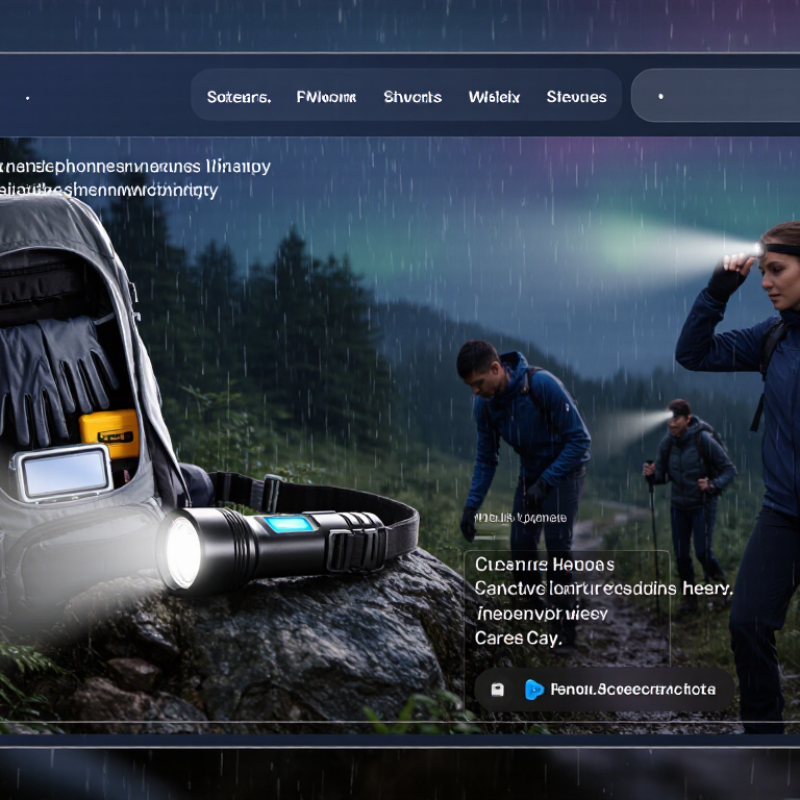
How to Choose a Lightweight Headlamp in 2026?
“Lightweight” should mean more than the lamp body alone. Weigh the complete headlamp with its batteries installed. A practical target is under 100 grams. Anything heavier may feel tiring during long hikes or overnight work. Use a small digital kitchen scale for accuracy. Check the reading twice. Battery weight can change the result significantly.
A headlamp under 100 grams should still provide stable brightness, comfortable balance, and simple controls. Look for an adjustable strap that does not press sharply against your forehead. Test the lamp while walking, bending, and looking upward. Movement reveals poor balance quickly. A low weight does not guarantee comfort. I once chose a very light model with a narrow strap, and it became uncomfortable after an hour.
Runtime also matters. Some lamps reach the target weight by using smaller batteries. That choice may reduce operating time in cold weather. Compare the stated runtime at useful brightness, not only the lowest setting. Carry spare batteries or a charged power source when conditions are uncertain. Water resistance is another practical detail, especially during rain or coastal trips. Claims can be optimistic. Check independent testing when available, and inspect the battery compartment before every trip. A scale cannot measure reliability, but careful preparation can expose weak design choices.
| Headlamp Profile | Total Weight Including Battery |
Maximum Output | Maximum Beam Distance | Regulated Runtime at Medium Output |
Battery Format | Water Resistance | Best Use |
|---|---|---|---|---|---|---|---|
| Ultra-light AAA model | 54 g | 200 lm | 55 m | 6 h | 2 × AAA | IPX4 | Emergency kits, travel, casual walking |
| Compact AAA model | 68 g | 300 lm | 75 m | 7 h | 3 × AAA | IPX4 | Camping, household tasks, evening walks |
| Rechargeable micro model | 72 g | 350 lm | 64 m | 5.5 h | Built-in Li-ion | IPX4 | Running, commuting, daily carry |
| USB-C rechargeable model | 79 g | 450 lm | 80 m | 6 h | Built-in Li-ion | IPX5 | Hiking, cycling, backpacking |
| Dual-beam trail model | 86 g | 500 lm | 90 m | 5 h | Built-in Li-ion | IPX5 | Trail running, fast hiking, navigation |
| Long-throw compact model | 94 g | 600 lm | 120 m | 4.5 h | 1 × 18650 Li-ion | IPX8 | Mountain routes, technical trails, rain |
| Rear-battery comfort model | 98 g | 400 lm | 85 m | 8 h | 3 × AAA | IPX4 | Long camping trips and balanced fit |
| Hybrid battery model | 99 g | 550 lm | 100 m | 6.5 h | Rechargeable or 3 × AAA | IPX5 | Backup readiness, travel, variable conditions |
Weigh the lamp with batteries and the strap included. Aim for less than 100 grams. Use a small digital scale. Check the reading twice. Battery weight can change the result. Under 100 grams feels easier during long hikes, but low weight alone cannot guarantee comfort.
Wear it while walking, bending, and looking upward. The strap should sit above your eyebrows without slipping. A wider band usually spreads pressure better. Watch for bouncing or forehead pressure. I once chose a very light lamp that hurt after an hour. My judgment was not perfect.
Not always. Smaller batteries can reduce weight and operating time. Compare runtime at useful brightness, not only the lowest setting. Cold weather may shorten runtime further. Carry spare batteries or a charged power source when conditions are uncertain. Short tests help.
Compact primary cells are light and often perform steadily in cold conditions. Two typical cells may weigh about 34 grams and store around 9 watt-hours. A rechargeable 18650 cell may store 10–13 watt-hours but weigh about 45 grams. Actual runtime depends on the lamp’s electronics and brightness setting. Energy density is only part of the decision.
Check the headlamp’s voltage range before changing battery types.
Treat maximum brightness as a short burst, not guaranteed continuous output. Test the highest useful setting for thirty minutes indoors. Check heat, brightness changes, and sweat beneath the mount. A very bright lamp may become uncomfortable or dim quickly. Maximum numbers can mislead.
Red light can reduce glare during campsite tasks. It does not instantly preserve night vision. Your eyes still need time to adapt. I sometimes prefer dim white light because red light can hide uneven ground. Personal testing matters.
Look for clear water and dust protection information. Inspect the battery compartment before every trip. Check runtime data, battery warnings, and photobiological safety information. Vague “tested” language provides weak evidence. Claims may be optimistic. Independent testing helps when available.
Choosing a Light Weight Headlamp in 2026 starts with evaluating its total weight, including batteries. For most outdoor activities, a model under 100 grams can provide a comfortable balance between portability and useful performance. Do not judge brightness by lumens alone; compare ANSI/PLATO FL 1 ratings, beam distance, and runtime to understand how the headlamp will perform in real conditions. Battery selection is also important. CR123A batteries may offer dependable storage and energy density, while rechargeable lithium-ion options can reduce waste and provide convenient daily use. Consider how each choice affects runtime, charging, and overall weight.
Durability and comfort are equally essential. Check the IEC 60529 IP rating to confirm resistance against dust and water, especially for hiking, camping, or work in changing weather. A secure, adjustable fit should prevent pressure points and unwanted movement, while effective heat management improves comfort during extended use. Red-light modes can protect night vision and reduce disturbance to others. Finally, review relevant safety certifications and test the controls before relying on the headlamp in low-light environments.

 MENGTING