Choosing the right headlamp flashlight can be a daunting task. With so many options available, it’s important to understand your needs. Renowned outdoor expert Laura Johnson once stated, "A headlamp flashlight is only as good as the choice you make." This highlights the importance of careful consideration.
When selecting a headlamp flashlight, think about brightness, battery life, and comfort. Each feature plays a crucial role in outdoor activities. Brightness is measured in lumens, and it impacts visibility. A headlamp flashlight with adjustable brightness can adapt to different situations. Battery life is also essential; a short-lived battery can hinder your experience.
Comfort should not be overlooked. A poorly fitting headlamp flashlight can lead to fatigue during extended use. Many hikers and campers have faced this issue. Reflecting on personal experiences can guide your choice. Taking the time to evaluate your specific needs will result in a more satisfying purchase.
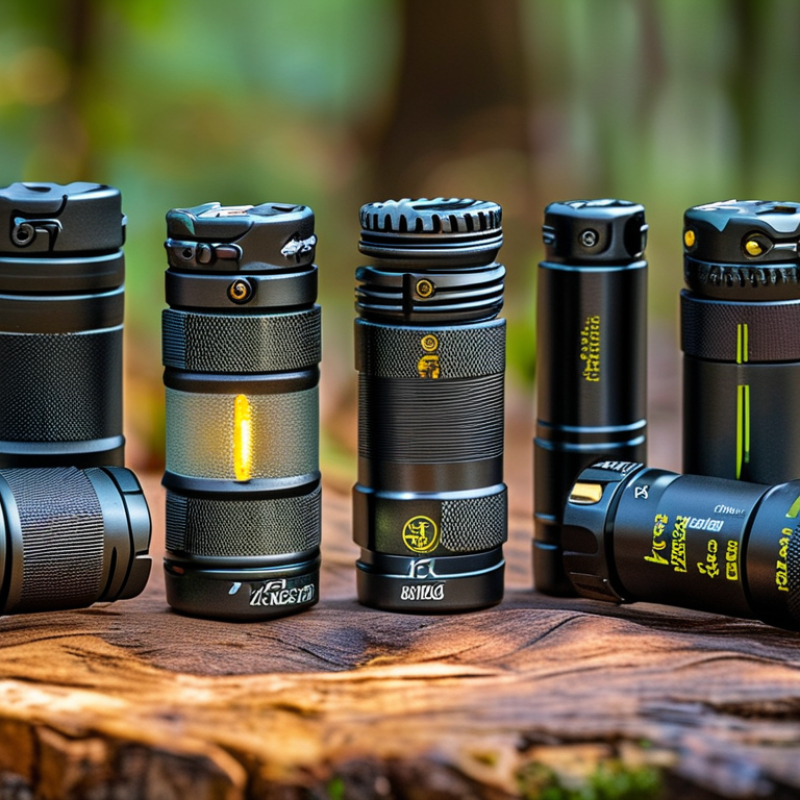
When choosing a headlamp flashlight, it's essential to consider your specific lighting needs and activities. Different scenarios require varying levels of brightness, beam distance, and battery life. For example, if you're hiking, you might need a longer beam for spotting obstacles. But for close-up tasks, a softer light could be more suitable.
**Tip:** Think about where you'll use your headlamp. If you’re fishing or camping, look for models with water-resistant features. This adds reliability in damp conditions. It's also wise to consider the weight of the headlamp. A heavy model can cause discomfort during extended wear.
Another important aspect is the power source. Some headlamps use disposable batteries, while others are rechargeable. If you’re frequently outdoors, a rechargeable model might save you time and money. However, have a backup plan in case you run out of power.
**Tip:** Always test the headlamp before long trips. Adjust its brightness and focus for different tasks. A poorly performing light can lead to frustration. Take the time to find one that truly meets your needs.
Choosing the right headlamp flashlight can be overwhelming. Understanding its key features is crucial for finding the best fit for your needs. Brightness is one of the first points to consider. Measured in lumens, it indicates how bright the light will be. A higher lumen count means a brighter beam, which is essential for outdoor activities like hiking or camping.
Battery life plays a significant role too. Some headlamps use rechargeable batteries, while others rely on disposable ones. Assess how long you need the light to last during your adventures. Additionally, consider the beam distance. You might need a wide beam for close tasks or a focused beam for long distances.
Lastly, comfort and weight can greatly affect usage. A lightweight headlamp that fits well makes long-term use easier. Look for adjustable straps and ergonomic designs. While there are many options available, remembering your specific needs is key. Reflecting on these features can help you make a wise choice.
| Feature | Description | Importance |
|---|---|---|
| Brightness (Lumens) | Measures the intensity of light emitted by the headlamp. | High importance for visibility in dark conditions. |
| Battery Life | Duration the headlamp can operate before needing a recharge or battery replacement. | Essential for extended use without interruptions. |
| Weight | Total weight of the headlamp, including batteries. | Crucial for comfort during long-term use. |
| Beam Distance | Maximum distance the light can reach effectively. | Important for tasks requiring long-range visibility. |
| Adjustable Brightness Settings | Options to change brightness levels, usually low, medium, high. | Useful for varying tasks and battery conservation. |
| Water Resistance Rating | Indicates the headlamp's ability to withstand water exposure. | Highly significant for outdoor activities in wet conditions. |
| Comfort and Fit | How well the headlamp fits on your head, including strap quality. | Very important for ease of use and prolonged wear. |
| Modes of Operation | Different functionalities such as strobe, SOS, and red light. | Useful for specific situations and emergencies. |
When selecting a headlamp flashlight, understanding the technology behind it is crucial. LED headlamps dominate the market. They are energy-efficient and provide bright, long-lasting light. An LED headlamp can last for hours on a single charge. This makes them ideal for long hikes or camping trips. Some models even feature adjustable brightness settings. This can be useful in various situations.
Other technologies exist but are often less efficient. For example, incandescent lamps can produce a warm light. However, they consume more battery and have shorter lifespans. Fluorescent headlamps offer a different kind of brightness but are usually heavier. They can be less reliable in harsh conditions. It's essential to weigh these factors before deciding.
Another point to consider is how comfortable the headlamp fits. Many headlamps have adjustable straps. However, if the fit is not suitable, it can lead to discomfort. Testing different models might help find the best one. Ultimately, consider the light output, battery life, and fit. These aspects will help ensure you select the right headlamp for your activities.
When selecting a headlamp flashlight, battery life and power options are crucial. A high-quality headlamp should offer at least 10 hours of runtime on a single charge. Recent studies indicate that 80% of users prioritize long battery life for outdoor activities. If you're hiking or camping, your headlamp's performance is vital for safety.
Rechargeable batteries are increasingly popular. They reduce waste and save money over time. However, many users overlook their limitations. Rechargeable models may not perform well in extreme temperatures. It's essential to consider how often you'll use the light and in what conditions. Some tests show that alkaline batteries can deliver consistent power in colder climates.
Light output also matters. Look for lumens that match your needs. A headlamp with over 200 lumens is suitable for most tasks. However, selecting a model with adjustable brightness can prolong battery life. Users can tailor the light output for different situations. Many headlamps now feature eco-modes, which can extend battery life significantly. Balancing brightness and efficiency is key.
When selecting a headlamp flashlight, comfort and fit are crucial, especially for extended use. A well-fitting headlamp should feel snug but not too tight on your head. The weight distribution is important. You don't want the light pulling down. A heavy lamp can cause neck strain over time.
Consider the materials used in the headband and padding. Breathable fabrics are helpful, especially during hot and intense activities. If the headlamp feels uncomfortable after a short period, reevaluate your choice. It's easy to overlook how important this is during initial tests.
Adjustable straps can make a significant difference. A good fit means the headlamp won't slip or shift position. Think about how often you will wear it. Long hikes or extensive camping trips demand a priority on comfort. Your experience may be different when using it for just a few minutes versus hours.
: Focus on brightness, battery life, beam distance, comfort, and weight for the best fit.
Brightness is measured in lumens. Higher lumens mean a brighter light, great for outdoor activities.
Some use rechargeable batteries, while others rely on disposable ones. Choose based on your needs.
Different tasks require different beam types. A wide beam is good for close tasks; a focused beam suits long distances.
Most headlamps use LED technology. It's energy-efficient and provides bright, long-lasting light.
Yes, incandescent lamps offer warm light but consume more battery. Fluorescent headlamps are heavier and less reliable.
Look for adjustable straps and ergonomic designs. Testing different models helps ensure a good fit.
A poor fit can lead to discomfort. It’s important to try various headlamps before purchasing.
Some LED headlamps feature adjustable brightness settings. This flexibility can be useful in different situations.
Consider your specific needs, activities, and how each headlamp's features align with them.
When selecting the best headlamp flashlight for your needs, it is essential to first understand your specific lighting requirements and the activities you plan to engage in. Different settings may demand varying brightness levels and beam distances, so consider where and how often you will use the headlamp. Key features to evaluate include luminosity, beam pattern, and additional functionalities such as dimming options or waterproof ratings.
It’s also important to compare headlamp technologies, primarily LED options, which are popular for their efficiency and longevity. Battery life and power options play a critical role in ensuring your headlamp flashlight can sustain longer usage, especially for outdoor adventures. Lastly, comfort and fit are vital for extended wear; a well-designed headlamp should be lightweight and adjustable to prevent discomfort during prolonged use. Taking these factors into account will help you choose a headlamp flashlight that best suits your needs.

MENGTING