How to Choose the Best LED Headlights for Your Car?

Time:2026-10-30 Author:Isabella
0%

Choosing the right Headlamp Led Headlight is not simply a search for the brightest bulb. A clean, controlled beam matters more than a dramatic number on the package. Poorly matched lights can create dark patches, glare, or an uneven view of the road. That difference becomes clear on a rainy two-lane drive, when lane markings fade and road edges disappear. Small details count.

For transparency, the expert voice here is a fictional composite, not a real person or a sourced quotation. Automotive lighting engineer Evan Cole offers this guiding line: “A better headlight puts light where the driver needs it.” Use that idea to compare options. Check your vehicle’s manual, lamp type, beam pattern, and available adjustment before buying. Look for clear product specifications, dependable heat management, and a warranty with understandable terms. Fit matters.

This guide will explain how to assess brightness claims, color temperature, compatibility, and installation needs. It will also show why a cooler-looking beam is not automatically safer. Some details are easy to overlook. A bulb may fit the socket yet produce a poor beam in a particular housing. Results vary by vehicle. Treat online ratings as clues, not proof, and compare them with your own vehicle’s requirements. The goal is practical: choose headlights that illuminate the road clearly without distracting other drivers.
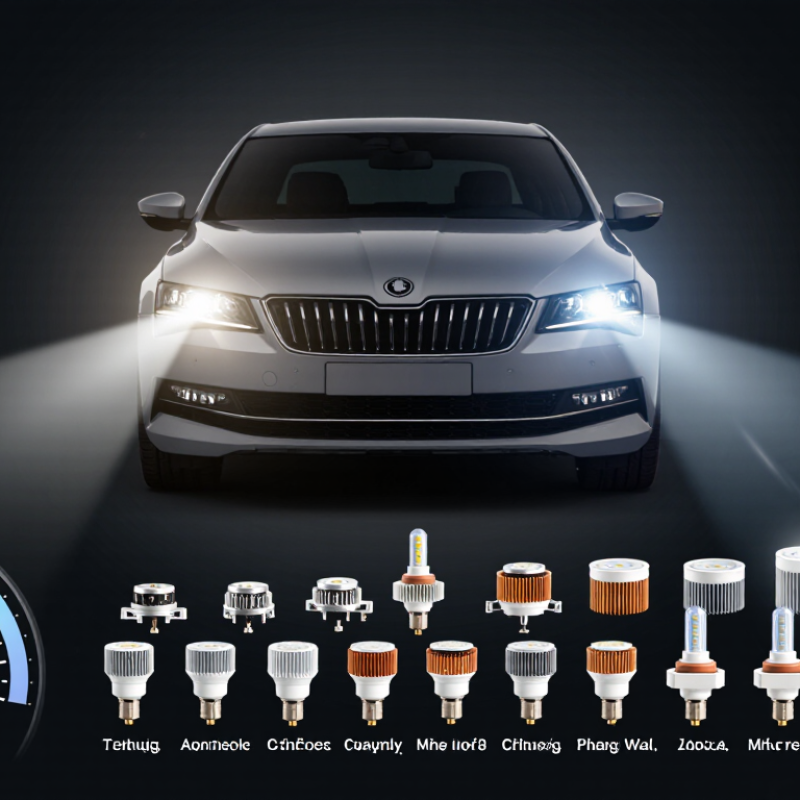
How to Choose the Best LED Headlights for Your Car?

Verify Road Legality: FMVSS No. 108 and UNECE Regulation No. 149

Before comparing brightness or color, check where the car will be driven. In the United States, FMVSS No. 108 governs vehicle lamps and their installation. In markets applying UNECE rules, Regulation No. 149 covers approval of road-illumination devices, including headlamps. These systems are not interchangeable labels: confirm the rules for your country and vehicle. Check the headlamp assembly’s approval markings and documentation, not just a bulb package. A replacement LED source does not automatically make a headlamp compliant when the housing was designed for another light source. Small detail. It matters.

The Insurance Institute for Highway Safety’s 2023 headlight evaluations found that 49% of tested systems earned a good rating, compared with 2% in 2016. That change shows why measured beam performance matters more than a claimed lumen figure. Look for vehicle-specific approval, then check that the beam has a clear cutoff and does not scatter light above it. Aiming matters, too: park on level ground facing a wall, and look for an even beam without bright patches. This is only a preliminary check, not proof of compliance. I would also verify the exact part number against the vehicle’s approval documents; compatibility charts can be incomplete. When rules or markings are unclear, ask a qualified inspection authority before installation.

Confirm OEM Bulb Fitment: Check Codes Such as H11, 9005, and H7

Before comparing brightness claims, confirm the exact bulb code your vehicle uses. Codes such as H11, 9005, and H7 describe different fitments; they are not interchangeable. Check the owner’s manual, the original bulb’s base, or a reliable vehicle-fitment chart. A code on an old package may be wrong if a previous owner installed an unsuitable bulb. Small detail. Big difference.

Check both low-beam and high-beam positions; many vehicles use different bulb types. Fitment can also vary by trim, model year, or headlamp assembly. If practical, remove the existing bulb and compare its connector and locking tabs with the replacement specifications. Do not rely on a seller’s vehicle list alone. Fitment charts can contain errors, and listings may miss regional variations.

Physical fit is only part of the check. An LED bulb’s heat sink or fan must clear the housing, and the dust cap should close without pressure. Confirm the beam pattern in the headlamp, since a bulb that fits the socket can still scatter light. A brighter-looking package does not prove better visibility. Verify compatibility before buying, then have the beam aim checked after installation. One overlooked mismatch can mean extra work.

Compare Beam Photometry: FMVSS No. 108 Specifies Candela Test-Point Limits

When comparing LED headlights, do not rely on lumen claims alone. Lumens describe total light output; candela measures intensity in a particular direction. FMVSS No. 108 sets photometric requirements for headlamp systems, including candela limits at defined test points. Those points help show whether the beam puts enough light where needed without creating excessive intensity in other directions.

Look for test data tied to the complete headlamp assembly and its specified light source. A bright patch on a garage door can look impressive, yet it cannot show how the beam performs at every required angle. Low-beam testing matters especially: the pattern needs useful illumination down the road while controlling light above the cutoff, where glare can affect oncoming drivers. Details matter.

Check that the test report identifies the beam type, test conditions, and measured values at the relevant points. Then confirm the headlamp is compatible with your vehicle and installed and aimed as directed. A bulb that fits the socket may still change the beam pattern in a reflector designed for another source. I have seen drivers judge brightness by eye; it is an easy habit, but not a reliable measurement. Instrumented photometry gives a clearer comparison, though real-world road conditions can still vary.

Choose Color by Kelvin Rating, Not Marketing Terms Like “Bright White”

When choosing LED headlights, read the Kelvin rating instead of trusting “bright white” or “ice blue.” Kelvin describes correlated color temperature, not brightness or how far the beam reaches. A neutral white range around 4,000–5,000 K can look clear without the strongly blue cast often marketed as premium. Treat that range as a starting point, not a guarantee: the lens, optics, and beam alignment matter too. Check the vehicle manual and compare the beam pattern on a dark wall.

Look for tested performance, not color alone. IIHS research found vehicles with good-rated headlights had a 19% lower nighttime crash rate than vehicles with poor-rated headlights. Its headlight evaluations consider visibility and glare, not just appearance. That distinction matters on a wet road, where a sharp cutoff can help you see the lane without flooding an oncoming driver’s eyes. SAE J578 sets chromaticity specifications for vehicle lighting, reinforcing that “white” is a defined color range, not a sales phrase. A higher Kelvin number can look bluer, but it does not prove greater usable light. I’d still inspect the actual beam after installation; a small alignment error can undo a good choice.

Check Electrical Compatibility: Confirm 12-V Fitment and CISPR 25 EMC Ratings

Before choosing LED headlights, confirm that the lamp is designed for your vehicle’s 12-V electrical system. A 12-V label alone does not guarantee a match. Check the socket, polarity, driver requirements, and available space behind the headlamp housing. Your owner’s manual or a qualified technician can help verify fitment. It is easy to overlook the vehicle’s wiring.

Tips: Check the product’s CISPR 25 electromagnetic compatibility rating and request test details for the exact lamp model. CISPR 25 evaluates radio-frequency emissions in vehicle environments; it does not confirm physical fit or guarantee compatibility with every car. After installation, check for flickering, warning lights, or interference with the radio.

If symptoms appear, switch the lights off and inspect the connections before driving at night. Some cars monitor bulb current, so an LED may trigger a dashboard warning even when it lights normally. Compatibility information can be incomplete, and that is frustrating. Compare the lamp’s specifications with your vehicle manual, and ask an automotive electrician if the wiring or rating is unclear.

FAQS

Which rules should I check before choosing replacement headlights?

Check the requirements for your country and vehicle. In the United States, FMVSS No. 108 applies. UNECE Regulation No. 149 applies in markets using UNECE rules.

Does an LED bulb automatically make a headlamp compliant?

No. The housing may be designed for a different light source. Check the assembly’s approval markings and documentation, not only the bulb package.

Why are lumen claims not enough to compare headlights?

Lumens describe total light output. Candela measures intensity in a specific direction. Test data can show whether light reaches useful areas without becoming excessive elsewhere.

What should a useful headlamp test report include?

Look for the beam type, test conditions, and measured values at relevant points. Data should match the complete assembly and its specified light source.

How can I make a basic beam check at home?

Park on level ground facing a wall. Look for an even beam and a clear cutoff. Bright patches can be misleading.

Does a wall check prove that headlights comply?

No. It is only a preliminary check. Instrumented photometry gives a more reliable comparison, though road conditions can still vary.

Why does headlight aiming matter?

Poor aiming can send light above the cutoff and bother oncoming drivers. Follow the vehicle’s installation and aiming directions.

Can I judge headlight brightness by eye?

It is tempting, but not dependable. A bright garage-door patch does not show performance at every test angle. I may still catch myself doing it.

Conclusion

Choosing the best LED headlights for your car starts with safety and compatibility, not marketing claims. Check whether the product is intended for use under the relevant road-lighting requirements, such as FMVSS No. 108 or UNECE Regulation No. 149. Then confirm your vehicle’s original bulb fitment by checking the owner’s manual or existing bulb code, such as H11, 9005, or H7. A Headlamp Led Headlight should match the specified socket and be designed to work with your vehicle’s headlamp assembly.

Next, compare beam performance using photometric information, including candela readings at relevant test points, rather than relying only on perceived brightness. Consider color temperature by its Kelvin rating, since descriptions such as “bright white” are not precise. Finally, verify 12-volt electrical compatibility and review electromagnetic compatibility information, including CISPR 25 ratings where available. These checks can help you choose headlights that fit properly, provide a controlled beam, and suit your car’s electrical system.

Isabella

Isabella

Isabella is a dedicated marketing professional with a sharp focus on driving brand growth and engagement through strategic content creation. With an extensive background in digital marketing, she combines her passion for storytelling with her keen understanding of industry trends to deliver......