A Led Light Headlamp is a versatile lighting tool widely used in various activities. Whether hiking, camping, or working in dark spaces, headlamps provide hands-free illumination. Choosing the right one can be daunting, given the numerous options available. Understanding the features and benefits of a Led Light Headlamp is essential for making an informed decision.
When selecting a Led Light Headlamp, it's crucial to consider brightness, battery life, and comfort. High lumens indicate brighter light, while different beam patterns suit various tasks. Comfort matters too; an ill-fitting headlamp can be a distraction. Many users overlook these vital elements, leading to dissatisfaction.
Not all LED headlamps are created equal. Some brands offer advanced features like adjustable beams and multiple modes, enhancing usability. However, these features may complicate the selection process. Reflection on personal needs and how the headlamp will be used is necessary. A thoughtful approach can lead to finding the perfect Led Light Headlamp, ensuring it meets both expectations and demands.
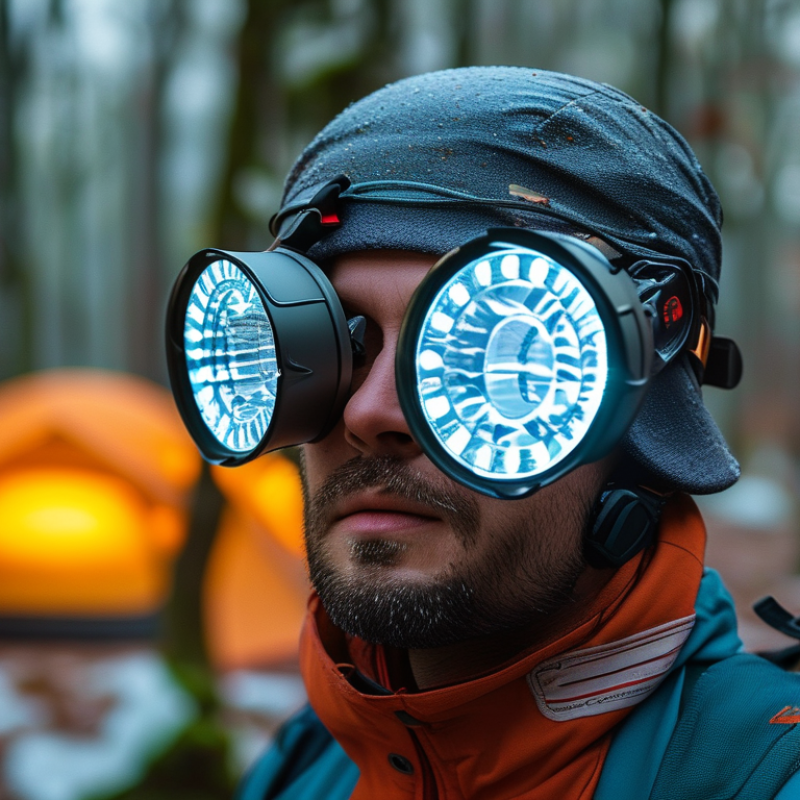
A LED light headlamp is a versatile lighting tool many people use today. These devices offer hands-free illumination, which is crucial for activities like hiking, camping, or repair work. They typically feature adjustable straps that fit comfortably on your head, keeping your hands free to focus on the task.
LED headlamps are popular due to their energy efficiency and bright light output. The LED bulbs can last for thousands of hours, making them a reliable choice. Many models allow you to adjust brightness and beam distance, which is helpful for different environments. It's also worth noting that some headlamps come with additional features, like red light modes for preserving night vision.
Choosing the right headlamp involves several considerations. Assess how you plan to use it. Will you use it for quick tasks or longer adventures? Consider the brightness level, battery life, and weight. Lightweight models might be ideal for backpacking, while heavier options may offer more features. Keep in mind that not all headlamps perform equally. Some may have battery issues or uncomfortable fit. Testing one can be insightful, ensuring it suits your needs perfectly.
| Feature | Description | Considerations |
|---|---|---|
| Brightness | Measured in lumens; determines how bright the light is. | Choose according to your needs, generally 100-500 lumens for varied tasks. |
| Battery Life | Duration the headlamp can run before needing a recharge or battery change. | Consider longer battery life for extended use; rechargeable options preferred. |
| Weight | The total weight affects comfort, especially for prolonged use. | Look for lightweight models for better comfort. |
| Beam Distance | How far the light can reach, usually given in meters. | Select based on your activities; longer distances for outdoor use. |
| Durability | Resistance to impact, water, and dust. | IP ratings can indicate water and dust resistance; higher is better. |
| Adjustable Straps | The headlamp should fit securely on the head. | Ensure the straps are adjustable for a comfortable fit. |
| Light Modes | Different brightness levels and colors, including strobe or red light. | Multiple modes provide versatility; consider your specific requirements. |
: A LED light headlamp is a hands-free lighting tool, useful for activities like hiking and camping.
They are energy-efficient, provide bright light, and can last thousands of hours.
Consider your planned activities, brightness level, battery life, and the weight of the headlamp.
Look for brightness (lumens), battery life, weight, beam type, and water resistance.
Brightness, measured in lumens, affects visibility. A range of 100 to 300 lumens is common for various tasks.
Longer battery life means fewer interruptions. Rechargeable options save money but may have shorter lifespans.
A well-fitting light ensures comfort during use. It should be snug but not overly tight for long-term wear.
Water resistance is essential for outdoor use. Check the IP rating for better durability in wet conditions.
Adjustable beams focus light where needed. This flexibility helps in various situations, from distance to close tasks.
Yes, user reviews provide insights into real-world performance, helping you make a better-informed choice.
A LED Light Headlamp is a versatile and hands-free lighting solution that provides illumination for various activities such as camping, hiking, and repair work. Key features to consider when selecting a LED Light Headlamp include brightness levels, battery life, weight, and comfort. These headlamps are known for their energy efficiency and durability, making them a popular choice among outdoor enthusiasts and professionals alike.
When choosing the right LED Light Headlamp, it's important to assess your specific needs and how you plan to use it. Factors like beam distance, additional lighting modes, and water resistance can significantly enhance your experience. Additionally, proper maintenance, such as regular battery checks and cleaning, can extend the lifespan of your LED Light Headlamp, ensuring it remains a reliable companion in various conditions.

 MENGTING