A dependable headlamp earns its place before the trail gets dark. For this guide, fictional outdoor-lighting specialist Nora Ellis offers an illustrative line: “Choose the beam you can control, not just the brightest number on the box.” It is a useful reminder, not a verified quotation. Brightness matters, but so do beam shape, comfortable fit, battery life, and controls you can use with cold fingers.
These seven tips will help you compare a Sta Headlamp Flashlight with care. Look at real tasks: reading a map, walking a wet path, or finding a zipper in a dim tent. Check whether the lamp tilts smoothly and stays put when you move. Notice where its weight rests against your forehead. Small details show up quickly.
Read the specifications, but test the feel when possible. A high lumen rating alone cannot tell you whether the beam creates harsh glare or drains the battery too fast. Check the charging method, weather resistance, and available light modes against your routine. Keep expectations realistic. No single headlamp suits every user. I still find comfort easy to underestimate; a strap that feels fine in a shop may rub after an hour. The right choice is the one you can operate confidently, maintain easily, and wear for the work ahead.
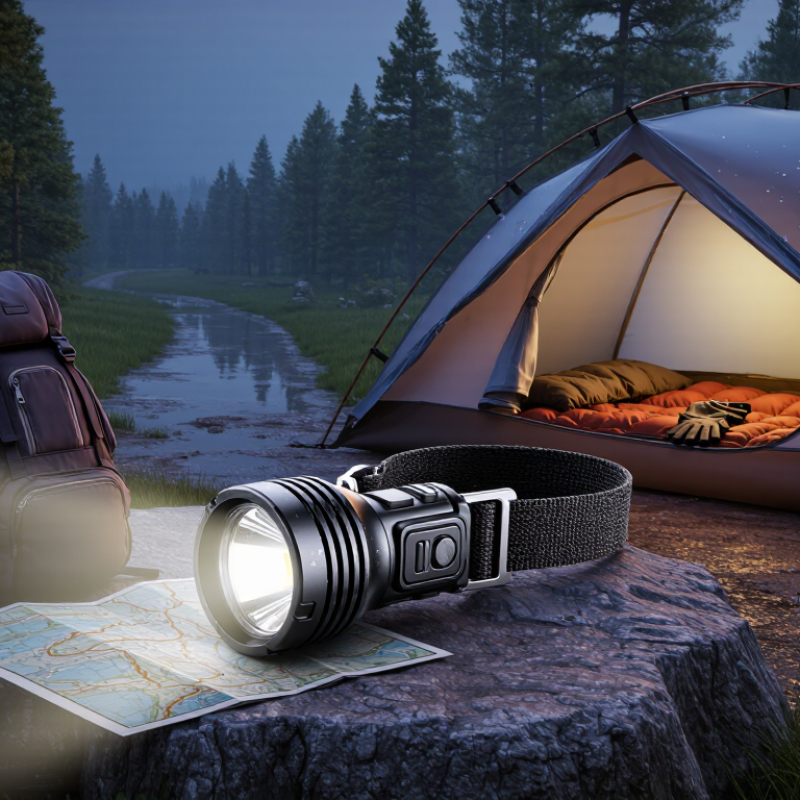
Understanding What a STA Headlamp Flashlight Is Designed For
A STA headlamp flashlight is designed to keep both hands free while putting light where the wearer looks. That matters when checking a trail map, repairing a loose fitting, or sorting equipment in a dim tent. Its value is not just brightness. A stable strap, reachable controls, and a beam suited to nearby tasks can make careful work easier. Fit matters more than many product descriptions suggest.
Compare measured performance, not only the largest lumen figure. The ANSI/PLATO FL 1 standard defines beam distance at 0.25 lux and runtime until output falls to 10 percent of its level after the initial test period. These figures help compare published test results, but they do not predict every real outing. Cold weather, battery age, and high-output settings can shorten practical runtime. A bright beam can be tiring indoors.
For close work, a broad, even beam may reveal small parts better than a narrow hotspot. For walking, a longer beam can help reveal uneven ground ahead. Red or low-output modes can preserve comfort during shared nighttime tasks, though they are not substitutes for adequate illumination. Check whether the housing stays secure when you turn your head. One detail is easy to miss: gloves can make tiny buttons frustrating.
Matching Beam Type and Brightness to Your Activities
A headlamp’s beam should match the ground you need to see. A focused spot beam reaches farther along open trails, while a wide flood beam lights nearby roots, tent gear, or a workshop bench. Some lamps offer both. That sounds ideal, though switching modes with cold fingers can be fiddly.
For evening walks on familiar paths, moderate brightness often works well and helps preserve battery life. On uneven trails, a brighter setting can reveal stones and branches sooner, but glare may hide details close to your feet. Try tilting the lamp downward before increasing power. Around camp, a softer flood beam is usually more comfortable when talking or sorting small items. Keep a low setting for close tasks, such as reading a map or tying a knot. Very bright light is not always better. I once aimed a narrow beam too high and lit the trees instead of the path. Check brightness in the actual setting, and consider how long the lamp must run between charges or battery changes.
Checking Comfort, Fit, and Ease of Adjustment
Comfort becomes clear after several minutes, not during a quick glance in the store.
A headlamp should rest above your eyebrows without pressing hard against your forehead. Check whether the housing feels balanced or pulls forward when you look down. The strap should feel secure, but it should not leave a deep mark. Small details matter. If you wear glasses, test the lamp with them on; the strap may shift or rub near the arms.
Adjust the band with cold fingers, since fine buckles can be awkward outdoors. It should tighten smoothly and stay put when you nod or turn your head. Try it at home. Tilt the beam down toward a tabletop, then raise it toward a wall, checking whether the hinge moves without slipping. A stiff adjustment can become frustrating when your hands are wet or gloved. Soft, stretchy straps often feel comfortable, but they may loosen over time; inspect the stitching and buckle rather than relying on softness alone. Fit also changes with hats and helmets, so test the setup you actually plan to wear. A snug fit is not always a comfortable one, and I would not assume one adjustment suits every outing.
Comparing Battery Life, Charging, and Weather Resistance
Battery life is easier to judge when you compare runtime at the brightness you will actually use. A long maximum-runtime claim may refer to a dim setting, not a bright trail beam. Check whether the manual lists runtimes for several modes. Then consider your outing length and carry a sensible reserve. Cold nights can shorten battery performance, too. That matters.
Charging details affect convenience in the field. A built-in rechargeable battery can reduce spare-cell clutter, while replaceable batteries may be easier to swap on a longer trip. Check the charging port cover, charge time, and whether the light can operate while connected. A battery indicator is useful, but treat its final bar cautiously; it may not represent much remaining time. I once assumed it meant another full hour. It did not.
For weather resistance, look for a clearly stated ingress-protection rating and read what it covers. Rain resistance does not automatically mean a lamp can be submerged. Inspect the port seal and battery compartment for grit or damage, especially after a wet hike. After exposure to rain, dry the lamp before storing it. Ratings help, but worn seals can change the picture. No specification replaces a quick inspection.
7 Tips for Choosing the Best Headlamp Flashlight
Compare battery life, charging convenience, and weather resistance before choosing a headlamp for your activities.
How to read the chart: Runtime estimates are calculated from representative nominal battery energy divided by a constant 1-watt load. They are simplified comparisons, not measured headlamp runtimes; actual results vary with battery quality, temperature, electronics, and brightness settings.
- Check runtime at the brightness level you will actually use.
- Compare battery capacity and whether batteries are replaceable.
- For rechargeable models, check the charging port and stated recharge time.
- Choose a headlamp with a battery indicator or a reliable low-battery warning.
- Look for an IP rating: IPX4 indicates splash resistance; IPX7 indicates protection during temporary immersion under specified test conditions.
- Consider cold-weather performance, since low temperatures can reduce battery output.
- Carry spare batteries or a charged power bank for longer trips.
Selecting a Model That Balances Performance and Value
A headlamp’s value is not measured by its brightest setting alone. Compare useful brightness, beam shape, battery life, comfort, and price together. A wide beam helps with nearby tasks, like reading a map or sorting tools. A focused beam can make a distant trail marker easier to see. Some models offer both, which is convenient, but only if switching modes feels simple with gloves on.
Check runtime at the brightness you will actually use. Maximum-output figures can look impressive, yet that setting may drain the battery quickly. A moderate mode often suits evening walks or campsite chores better. Look for clear runtime information and a battery indicator you can understand at a glance. I still find these claims easy to misjudge; real use depends on temperature, battery age, and how often you change modes.
Comfort deserves a place in the budget. A lamp that slips when you look down can become annoying fast. Try to assess strap adjustment, weight, and whether the housing presses against your forehead. Water resistance and a sturdy switch may also justify a modest price increase. Avoid paying extra for features you are unlikely to use. A rechargeable battery can reduce ongoing costs, though a replaceable one may be easier to swap during a long outing. The best choice is the model whose useful features match your routine, not the longest feature list.
Conclusion
Choosing the right Sta Headlamp Flashlight starts with understanding how and where you plan to use it. Consider whether you need hands-free light for hiking, camping, repairs, or everyday tasks, then match the beam style and brightness to those activities. A focused beam can help illuminate distant areas, while a wider beam is useful for nearby work. Adjustable brightness can also help you adapt to changing conditions and conserve power.
Comfort and practical features matter just as much as illumination. Look for a secure, adjustable strap and a design that remains comfortable during extended wear. Compare battery life, charging options, and weather resistance to make sure the light suits your routine and environment. Finally, weigh these features against the price. The best choice is a dependable, easy-to-use headlamp that meets your needs without paying for functions you are unlikely to use.

 MENGTING