Top 10 Headlamp LED Light Features Every Buyer Should Know?

Time:2026-07-03 Author:Charlotte
0%

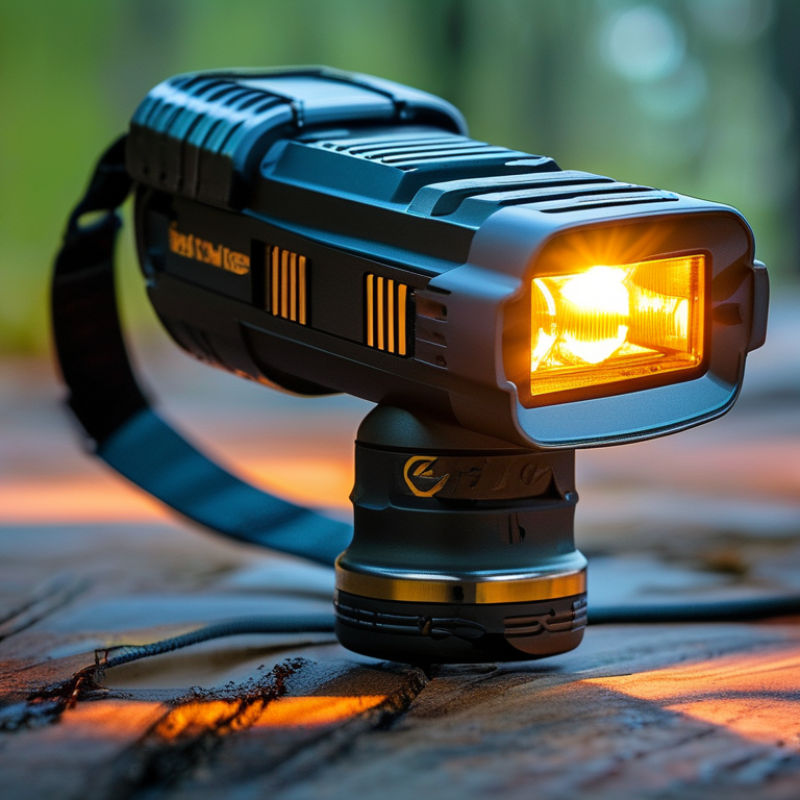
When it comes to outdoor activities, a reliable headlamp LED light is essential. This compact device provides hands-free illumination, making your adventures safer and more enjoyable. Whether you’re hiking, camping, or working in dimly lit areas, understanding key features of headlamp LED lights is crucial for making an informed purchase. Many buyers overlook important aspects, which can lead to dissatisfaction.

Headlamp LED lights come with various specifications that cater to different needs. Brightness, beam distance, and battery life are critical factors in choosing the right model. Some users may find themselves frustrated with short run times or inadequate brightness. A thorough assessment of these features can prevent disappointments.

Moreover, build quality, weight, and comfort are vital for prolonged use. A poorly designed headlamp may cause discomfort during extended wear. It’s worth investing time to research options that balance durability and comfort. Reflecting on your personal needs will guide you in finding the perfect headlamp LED light for your adventures.
Top 10 Headlamp LED Light Features Every Buyer Should Know?

Essential LED Types: Understanding Brightness and Efficiency

When considering a headlamp, understanding LED types is crucial. Brightness is usually measured in lumens. More lumens mean a brighter light. However, not all brightness is useful. Some LEDs emit different light colors, affecting visibility. For instance, warm light is easier on the eyes. Cool white light enhances contrast in darker environments.

Efficiency is another key factor. The best LEDs use less energy while providing more light. Look for models with longer battery life. Some designs allow for easy battery replacement, while others are rechargeable. This choice affects how often you will need to charge or replace batteries.

Reflectors play a role, too. They can focus the light beam or spread it for wider coverage. A narrow beam is better for long distances. Conversely, a wide beam is ideal for close-up tasks. Many users overlook this detail. Choosing the right reflector type can greatly improve your experience. Remember that brightness should match your needs. Balance efficiency with your specific requirements for an optimal headlamp experience.

Beam Distance: How Far Can Your Headlamp Illuminate?

When choosing a headlamp, beam distance is a vital feature. It determines how far the light reaches. A longer beam is essential for outdoor activities like hiking or camping. Generally, headlamps offer beam distances between 50 to 300 meters. Those who need to spot distant objects should opt for models with a longer distance.

However, not all tasks require extensive distance. For close-up work, shorter beams are often sufficient. This could be during repairs or reading in dim conditions. A headlamp with a suitable beam distance enhances efficiency and comfort.

Here are a few tips to consider:

  • Check the lumen output.
  • Understand your actual needs.
  • Balance between weight and brightness.
A headlamp should feel good and function optimally but also shouldn’t be cumbersome.

Battery Life: What to Expect for Long-lasting Use

When choosing a headlamp, battery life is crucial. Users often expect long-lasting performance, but many don’t know what to really anticipate. Most reliable headlamps can last anywhere from a few hours to several days on a single charge or set of batteries. However, factors like brightness settings and usage frequency significantly influence longevity. High brightness settings drain the battery much faster.

Tips for maximizing battery life include using the lowest brightness level suitable for your task. If you only need minimal light, don’t go for maximum output. Regularly check your battery status to avoid unexpected failures. Rechargeable options are excellent for frequent use, but ensure you follow the manufacturer’s guidance on charging.

Consider capacity and type as well. Lithium-ion batteries often provide longer life and faster charging. However, they might not work well in extreme temperatures. In colder conditions, battery life can significantly drop. Remember to test your headlamp in varying environments to truly understand its performance limits.

Water Resistance Ratings: Protecting Your Headlamp in Various Conditions

When selecting a headlamp, water resistance ratings are crucial. These ratings indicate how well a headlamp can withstand moisture. Not all environments are dry, and knowing the rating helps you choose wisely. For example, a headlamp rated IPX4 can resist splashes from any direction. This is ideal for light rain. However, it won't endure heavy downpours or full submersion.

In contrast, an IPX7 rating means the headlamp can survive being submerged in water up to one meter for 30 minutes. This feature is essential for those venturing into wet terrains. Remember, a higher rating often means better reliability in bad weather. But keep in mind that no rating guarantees complete protection. Damage can still occur if the device is exposed to extreme conditions for too long.

It’s wise to consider your activities when assessing water resistance. Casual campers may not need top-rated models. However, those hiking in unpredictable weather should prioritize this feature. Reflecting on how you plan to use the headlamp can reveal important insights into what you truly need.

Comfort Features: Ensuring a Secure and Comfortable Fit for Extended Use

Comfort features are crucial when selecting a headlamp LED light. A secure and comfortable fit can significantly enhance your experience. An adjustable headband is a key component. It allows users to customize the fit for their specific head size. A well-padded band reduces pressure on the forehead, making extended wear much easier.

Additionally, consider the weight of the headlamp. Lighter models often provide better comfort, especially during long activities. Bulky lights can lead to fatigue. Look for models with balanced weight distribution. This feature ensures that the light sits securely without slipping. Breathable materials for the headband also play a significant role. They help prevent overheating during long use.

A good fit is not just about comfort; it also affects functionality. If a headlamp shifts or slips, the light beam can become misaligned. This misalignment can be frustrating and impact visibility. Testing the headlamp before committing to long-term use is essential. Ensure it feels good and performs well during various movements. Finding the right balance of comfort and performance can make all the difference in outdoor activities.

Top 10 Headlamp LED Light Features - Comfort Features

FAQS

: How long can I expect a headlamp battery to last?

: Battery life varies from a few hours to days. It depends on brightness settings and usage frequency.

What can I do to maximize my headlamp's battery life?

Use the lowest brightness level needed for your task. Check battery status regularly to avoid surprises.

What type of batteries should I consider for longevity?

Lithium-ion batteries are often better for longer life and faster charging. Keep in mind temperature affects performance.

How does water resistance impact headlamp choice?

Water resistance ratings show how well a headlamp can handle moisture. Higher ratings mean better protection against water.

What does an IPX4 rating indicate?

An IPX4 rating resists splashes from any direction, suitable for light rain but not heavy downpours.

Why is a comfortable fit important for headlamps?

A secure, comfortable fit enhances usability. If it slips, the light beam misaligns, reducing visibility.

Are lighter headlamps better for comfort?

Yes, lighter models are often more comfortable, especially during extended activities. They reduce fatigue during use.

How can I determine if a headlamp fits well?

Test it before long-term use. Ensure it feels secure and retains proper alignment during movements.

What role do adjustable headbands play in comfort?

They allow customization for head size. A well-padded band reduces pressure for longer wear.

Should all users prioritize high water resistance ratings?

Not everyone needs high ratings. Casual users may do fine with lower ratings, but hikers should prioritize them.

Conclusion

When considering the purchase of a headlamp LED light, it's essential to understand several key features that can enhance your experience. First, familiarizing yourself with the various LED types can help you gauge brightness and efficiency, crucial for selecting the right output for your needs. Additionally, the beam distance plays a vital role in illumination; understanding how far your headlamp can project light ensures you can navigate your environment effectively.

Another critical aspect to consider is battery life, which determines how long you can use your headlamp before needing a recharge or replacement. Coupled with water resistance ratings, which protect your device in different weather conditions, these features are fundamental for reliable use. Lastly, comfort features should not be overlooked, as a secure and comfortable fit is essential for extended wear. In summary, being aware of these headlamp LED light features will help you make an informed decision tailored to your activities.


Charlotte

Charlotte

Charlotte is a seasoned marketing professional with a deep understanding of the company's portfolio and a passion for elevating its presence in the market. With a keen eye for detail and a commitment to excellence, she ensures that our professional blog is regularly updated with insightful articles......