The Structural Physics and Sourcing Value of Solar Pathway Lights
An in-depth guide on photovoltaic conversion, weather resistance metrics, and local distribution requirements.
01
Photovoltaic Efficiency Integration
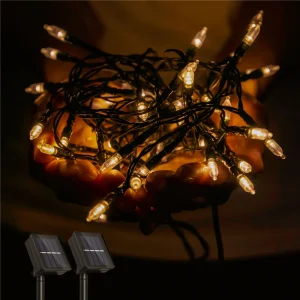
Modern solar pathways utilize premium Monocrystalline silicon cells. The conversion rates are optimized up to 22.5%, allowing solar lights to charge successfully even on overcast days.
02
LiFePO4 Power Dynamics
Replacing standard Ni-MH chemistries, our next-gen systems employ LiFePO4 cells. This delivers over 2000 deep-discharge cycles, featuring built-in over-voltage protection circuits.
03
Optoelectronic Controls
Custom PCB arrays integrate Smart PIR sensors and optical light sensors. Intelligent dusk-to-dawn switching regulates power levels, shifting colors to warm RGB based on movement.
Local Environmental Performance & Material Selection
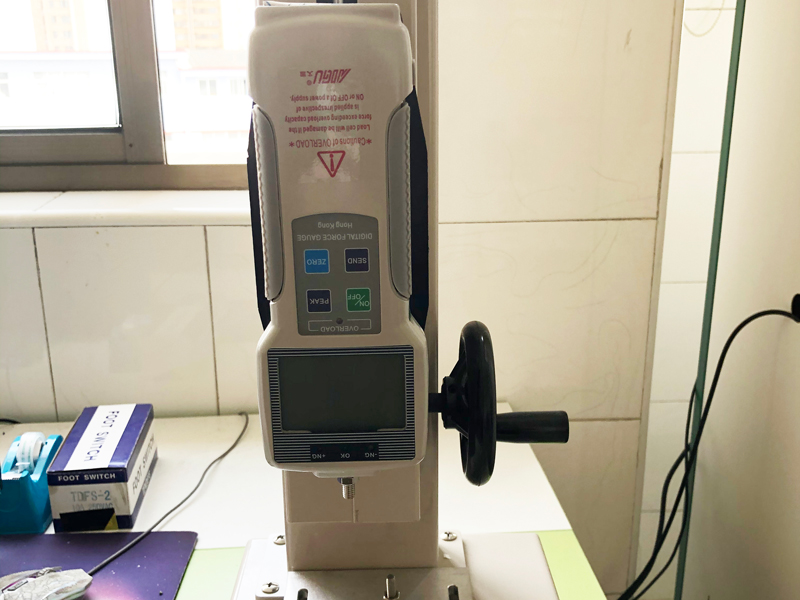
Outdoor solar pathway installations must withstand a range of weather conditions. The choice between standard ABS polymers and premium corrosion-resistant materials determines the lifespan of installations. Under constant solar UV rays, standard plastics degrade, leading to yellowing, brittleness, and water entry. Mengting solves this by utilizing UV-stabilized Polycarbonate (PC) and rugged Polypropylene (PP), guaranteeing visual clarity and mechanical integrity for years.
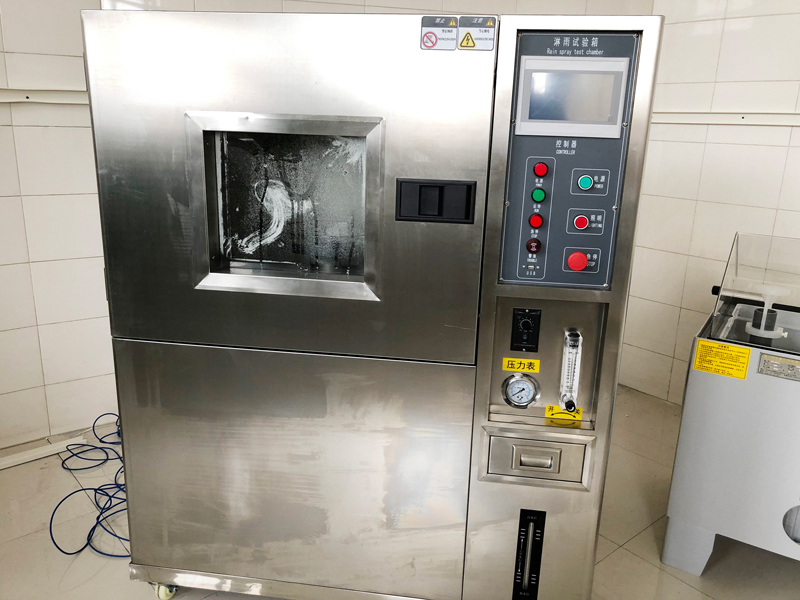
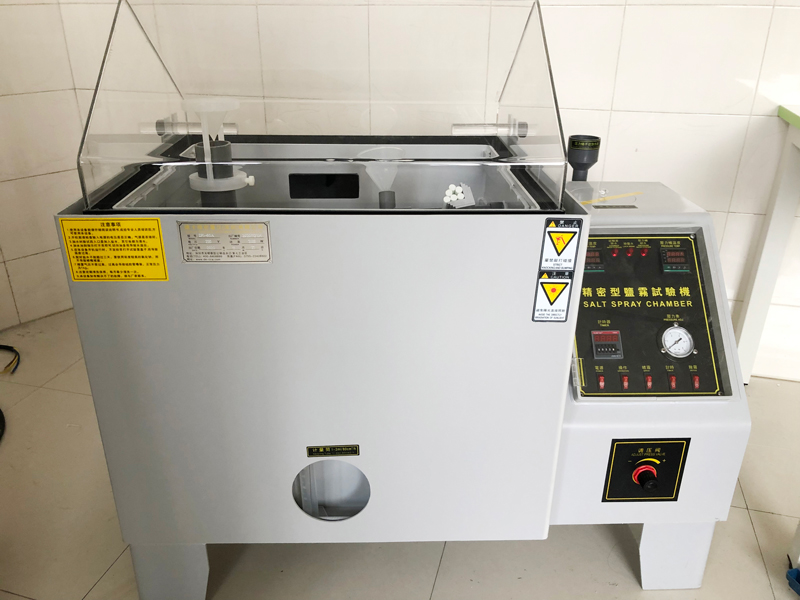
For coastal and high-humidity areas, salt spray poses a major risk to internal circuits. Premium pathway lights use closed-cell silicone sealing rings to achieve IP65 and IP68 waterproof ratings. This prevents dew points and internal condensation, protecting the controller board from early failures.
The Chinese Supply Chain Edge: Ningbo's Integrated Logistics
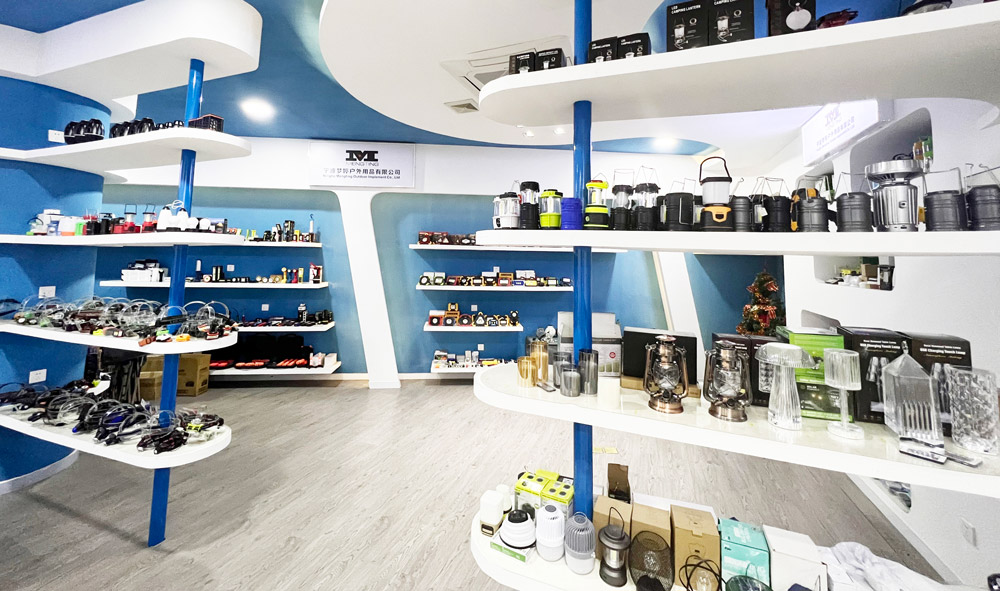
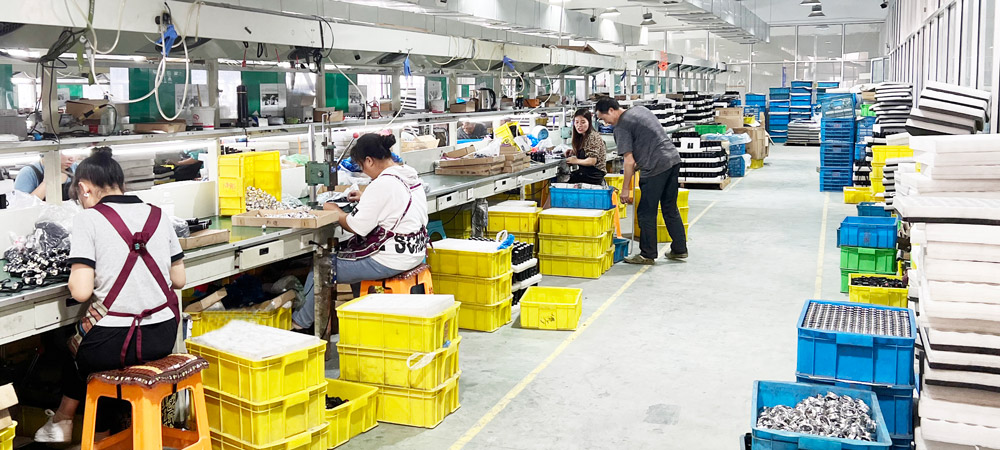
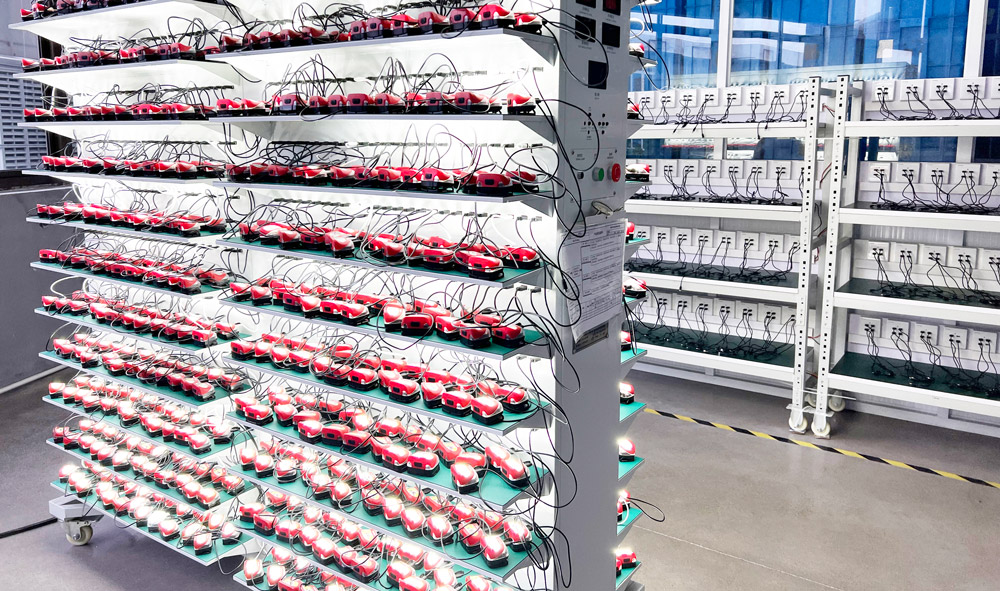
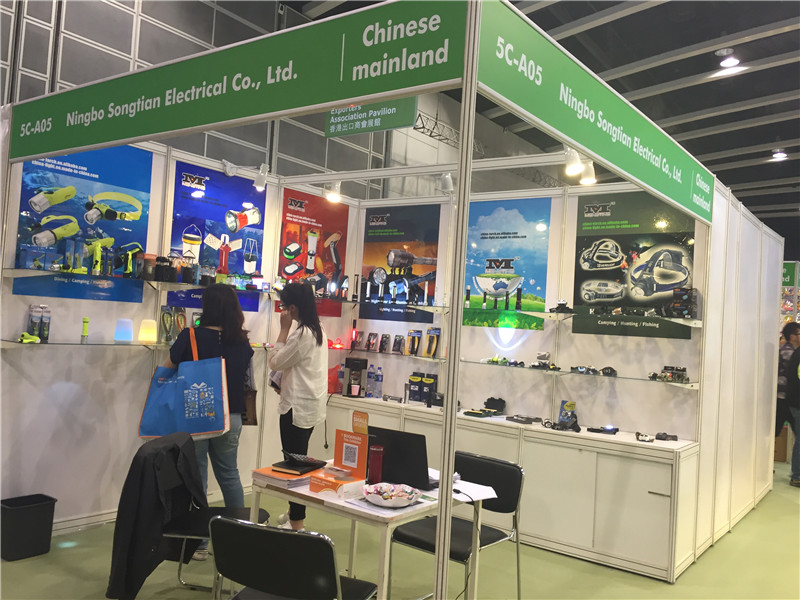
Our base in Jiangshan, Ningbo, allows us to offer optimized lead times. We leverage local industrial clusters that provide rapid sourcing of raw materials, quick PCB fabrication, and surface-treatment facilities. The short distance to Beilun Port streamlines container loading, lowering overland shipping costs by up to 15% and minimizing the risk of logistical delays.
 MENGTING