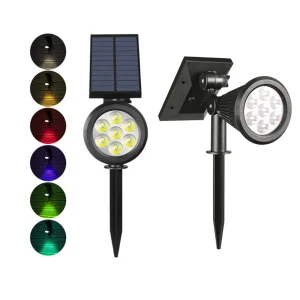
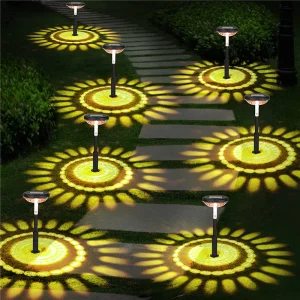
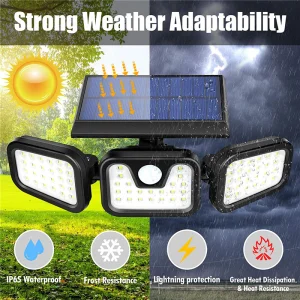
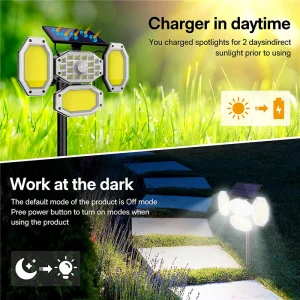
Engineered for high UV exposure, coastal salinity, and extreme weather resilience across Auckland, Wellington, and beyond.
New Zealand’s commitment to achieving net-zero emissions by 2050 has catalyzed a major structural shift in municipal, commercial, and industrial infrastructure. Industrial solar lighting is no longer merely a sustainable alternative; it has become a primary requirement for off-grid developments, public trails, remote agricultural facilities, and coastal urban spaces.
Operating in the Southern Hemisphere introduces unique geographical demands. The local market requires products that can withstand intense UV levels (resulting from ozone-related atmospheric profiles) and high wind loads, particularly in regions like Wellington and the Cook Strait. Furthermore, New Zealand’s extensive coastline demands hardware built to resist saline corrosion. To meet local building codes and council parameters, commercial outdoor fixtures must employ marine-grade engineering, highly efficient solar capture, and smart sensors that minimize light pollution in accordance with global Dark Sky initiatives.
For corporate developers, civil contractors, and regional councils, the capital expenditure (CAPEX) of trenching grid power to remote sites or public walkways can be cost-prohibitive. High-efficacy, smart-controlled solar street and path lighting eliminates cable installation, trenching permits, and ongoing energy costs. This makes it an economically viable choice for civil infrastructure across both the North and South Islands.
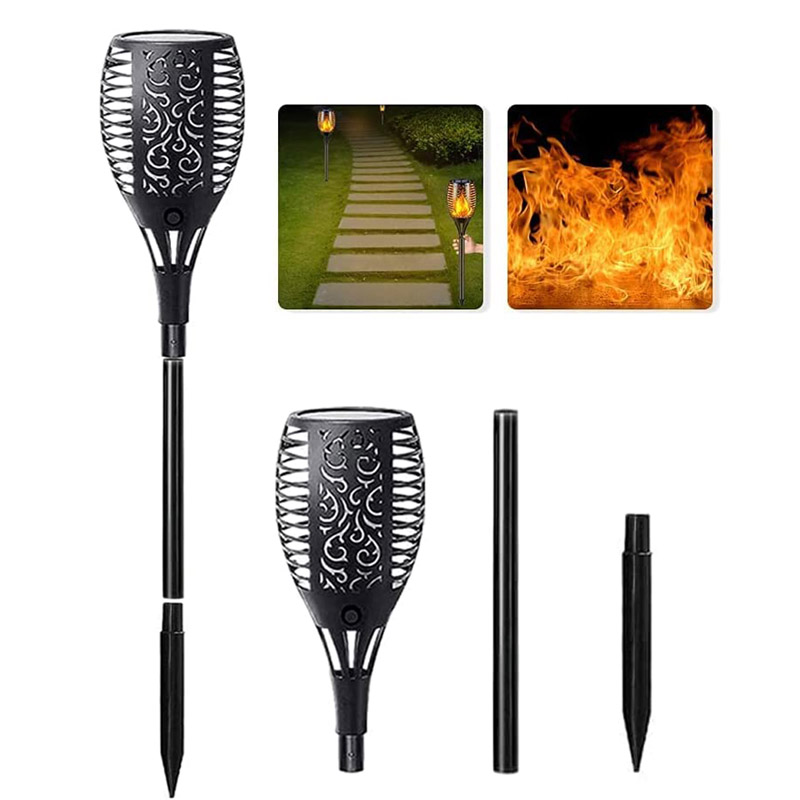
Intelligent power allocation and high lumen density for public spaces, corporate campuses, and architectural landscapes.
Modern solar illumination systems have evolved far beyond basic photovoltaic panels and lead-acid batteries. The industry is currently experiencing a technological transition driven by developments in light output efficiency, energy storage, and smart integration.
Lithium Iron Phosphate (LiFePO4) Battery Integration: Traditional batteries have largely been replaced by LiFePO4 chemistry. This technology provides up to 3,000 charge cycles, a wide thermal range, and high stability. This ensures reliable operation in both cold alpine regions and hot coastal zones.
Monocrystalline PV Cells and MPPT Control: Industrial solar lighting now utilizes monocrystalline solar panels with conversion efficiencies exceeding 22%. Integrated Maximum Power Point Tracking (MPPT) charge controllers continuously adjust charging parameters. This optimizes power capture even on overcast winter days.
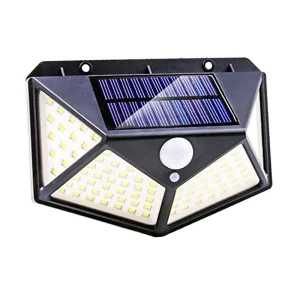
Adaptive Smart Sensors: Advanced motion detectors dynamically control lumen output. By maintaining a low ambient light output that shifts to 100% brightness upon detecting movement, these units extend battery life and reduce light scatter. This supports the protection of local ecosystems.
For global B2B procurement managers, sourcing solar products requires balancing quality control with reliable delivery timelines. Ningbo Mengting Outdoor Implement Co., Ltd. exemplifies the modern, vertically integrated Chinese manufacturer, combining engineering expertise with robust logistics.
Established in 2014 in Jiangshan Town, a major industrial hub in southern Ningbo, the facility is located just 30 minutes from the Beilun Port. This proximity to a major deep-water port reduces inland transit times and simplifies international ocean freight logistics.
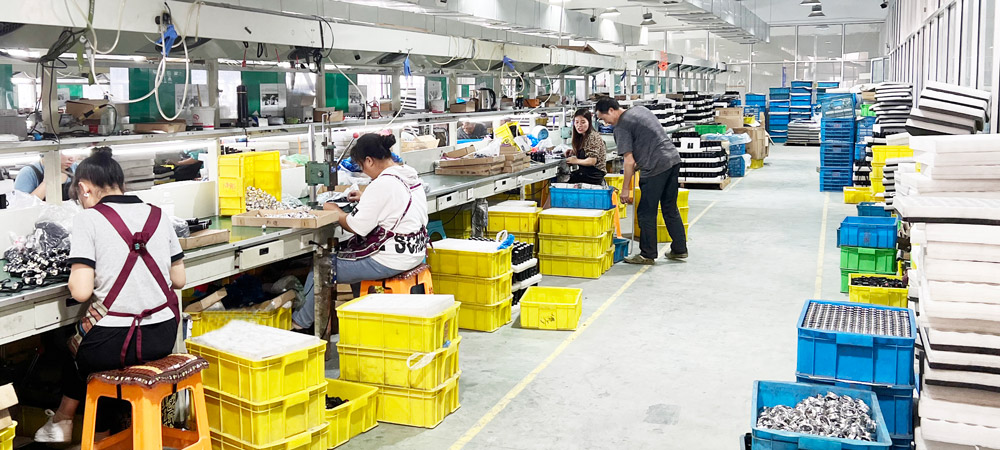
Mengting utilizes advanced manufacturing workflows to maintain consistent product quality. Their processes are supported by integrating spheres, rain testing chambers, high-temperature/humidity cabins, and automated battery aging testers. This infrastructure enables high-volume manufacturing while maintaining tight tolerance controls. These capabilities support custom ODM design, bespoke architectural finishes, and flexible batch production (OEM), allowing buyers to align their orders with project schedules.
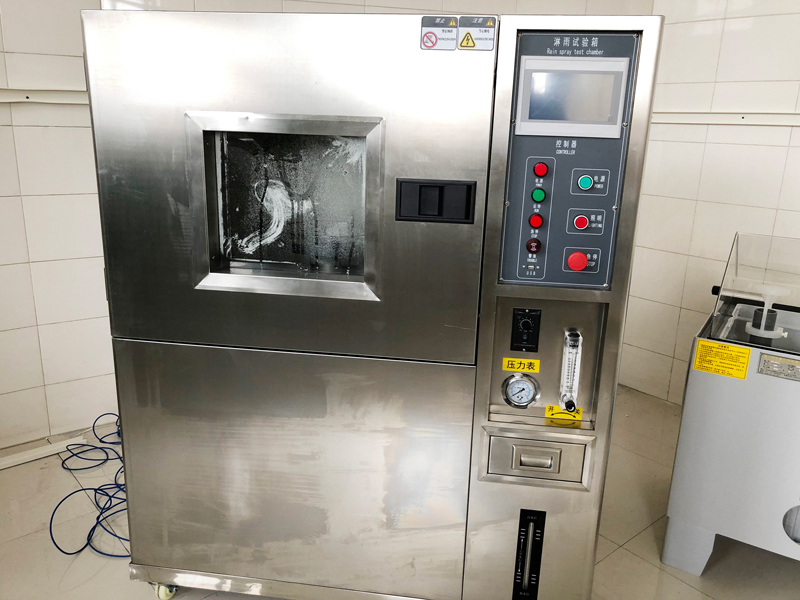
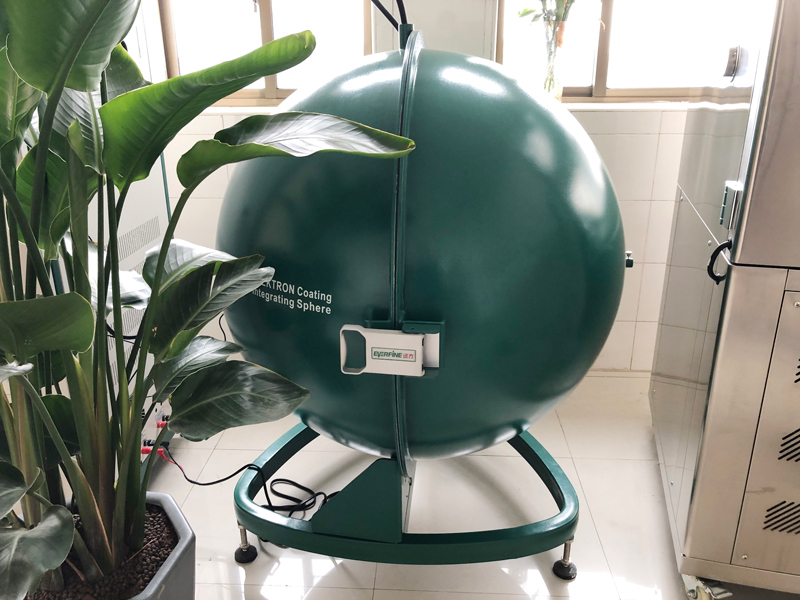
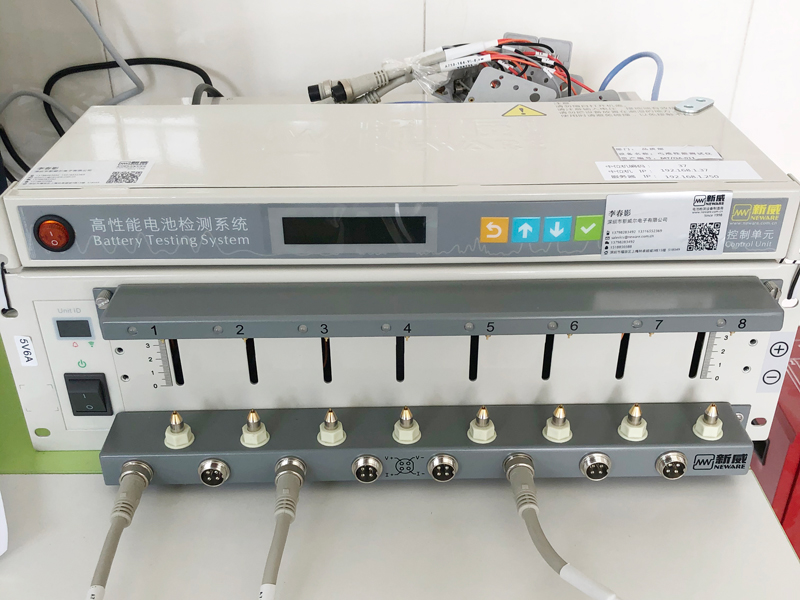
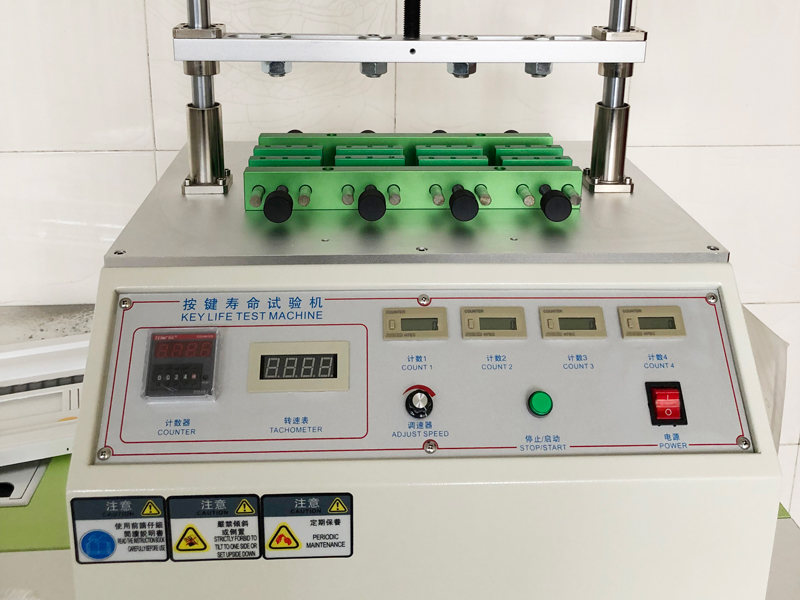
Mengting products are designed and manufactured in compliance with international standards, including CE, RoHS, and local AS/NZS parameters.
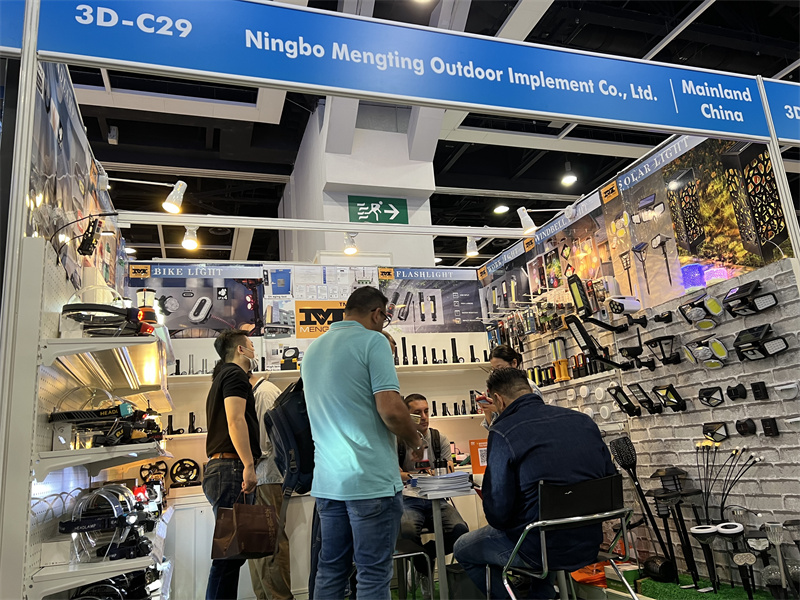
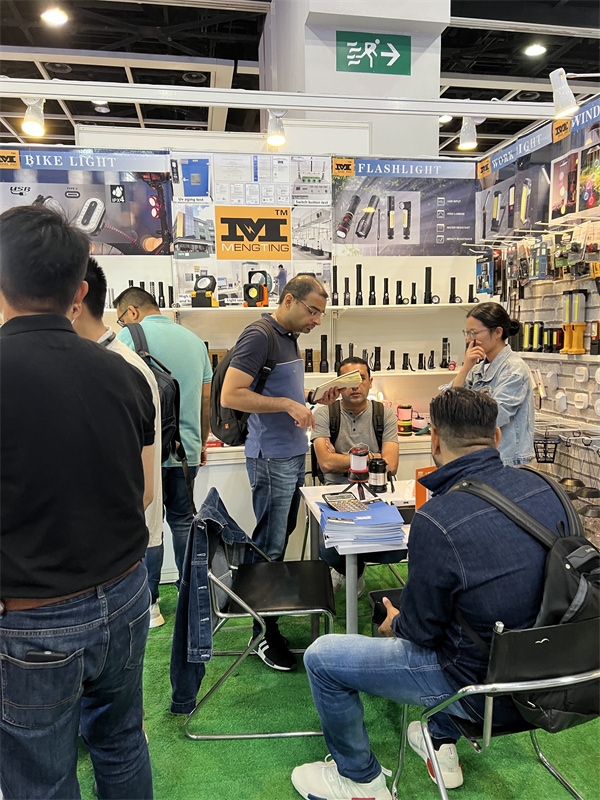
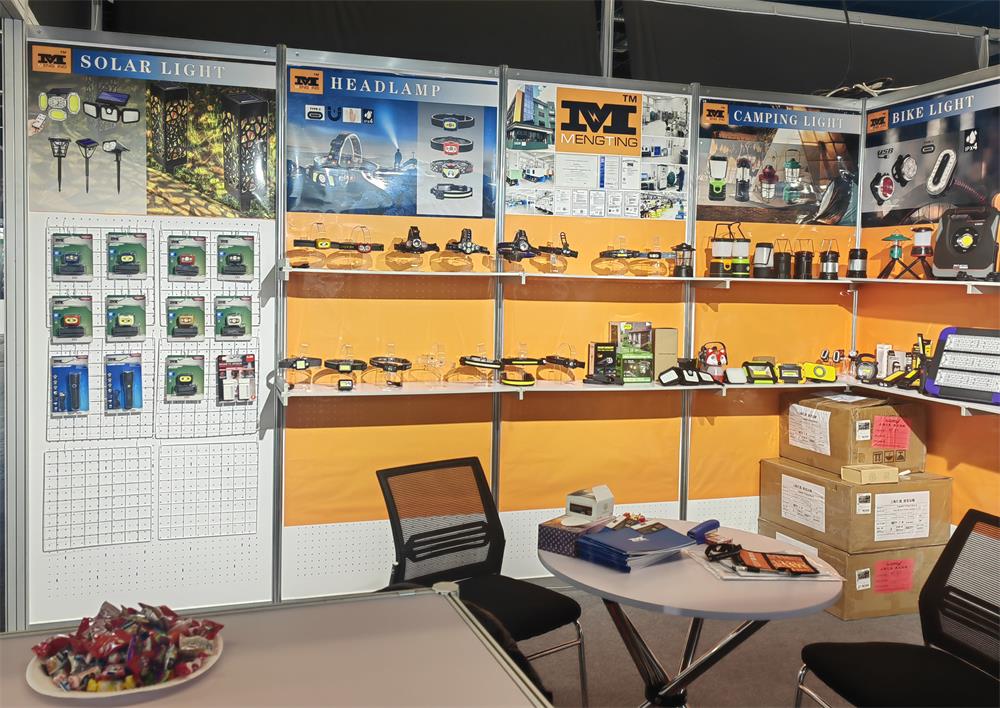
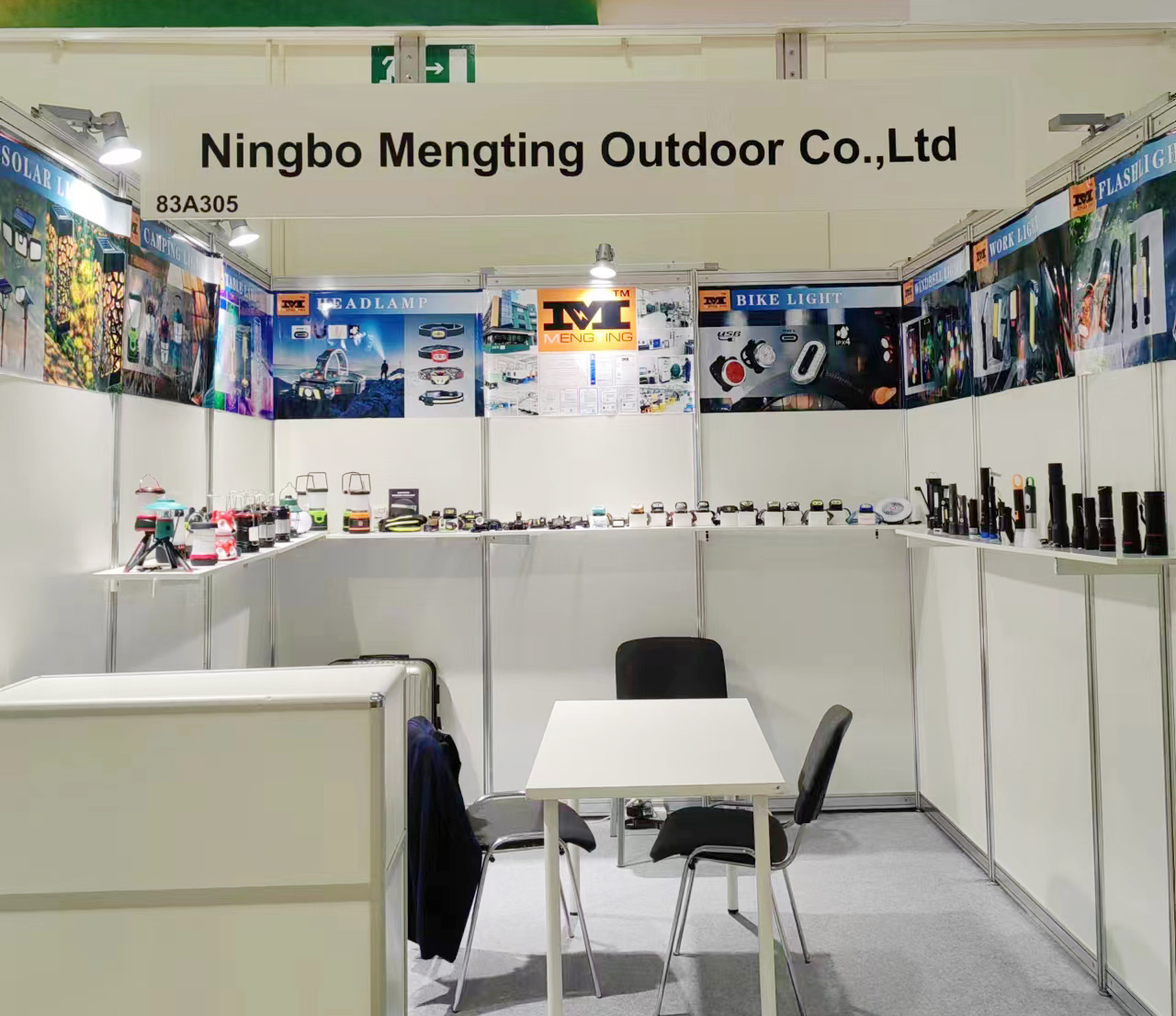
Deploying targeted lighting solutions that perform reliably in coastal marine environments and demanding commercial applications.
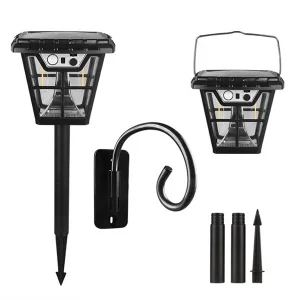
New Zealand's conservation trails and off-grid lodges require zero-maintenance, weather-resistant pathway illumination. Our low-glare, motion-activated solar lights keep pathways safe without disrupting local nocturnal wildlife.
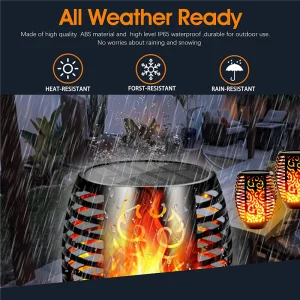
Salt spray along harbors and coastal paths degrades standard fixtures quickly. Our outdoor product range uses corrosion-resistant ABS, polycarbonate, and powder-coated aluminum casings designed to withstand harsh maritime conditions.
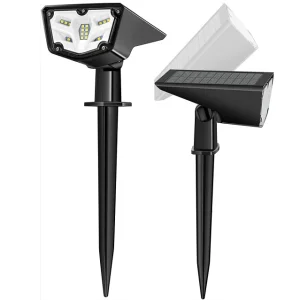
Remote dairy farms and livestock pens require functional security lighting. Solar motion-sensor floodlights provide targeted illumination without the need for extensive wiring, keeping storage areas and gates well-lit.
Expert answers addressing compliance, weather durability, technical performance, and import logistics.
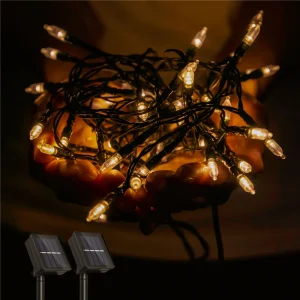
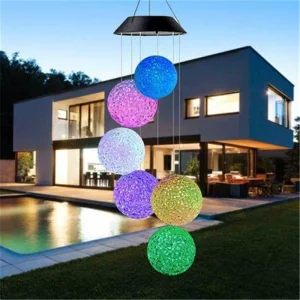
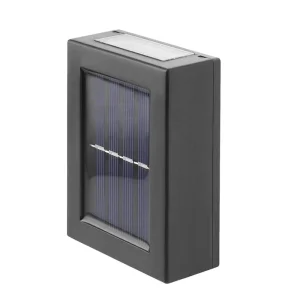
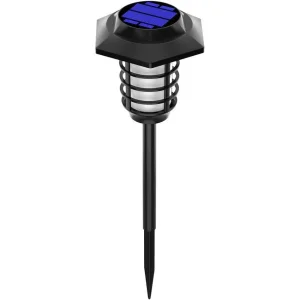
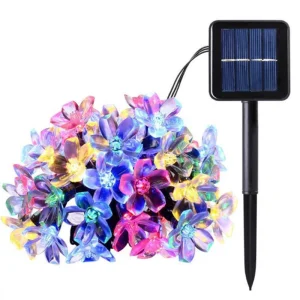
Engineered for compliance and performance. Select a product to view technical specifications, photometrics, and test reports.
 MENGTING