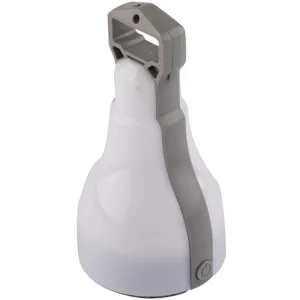
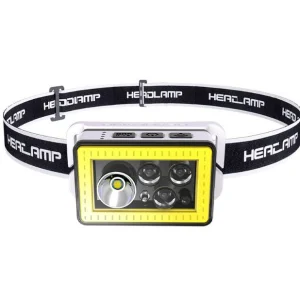
Explore our engineering breakthroughs spanning solar wall installations, industrial work lamps, high-lumen headlamps, and outdoor utilities.
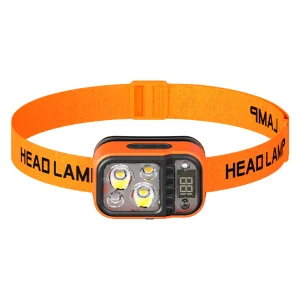
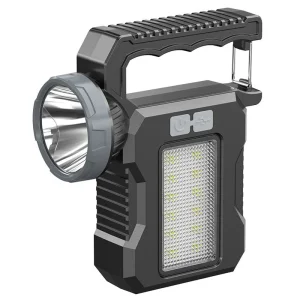
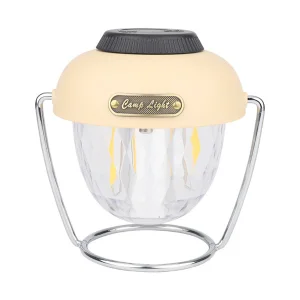
The global outdoor lighting arena is undergoing a profound paradigm shift. Historically deployed for minimal aesthetic accents, modern garden solar wall lights have transitioned into structural building elements designed for high-lumen security, structural integration (BIPV-lite configurations), and smart-grid architectural planning. Sustainable smart city initiatives and architectural updates across Europe, North America, and APAC have placed architectural solar hardware at the forefront of procurement guidelines.
For modern sourcing offices, the objective is no longer merely finding a low-cost supplier. Global distributors must manage a matrix of parameters: photovoltaic conversion efficiencies exceeding 22%, operational longevity in extreme thermal environments, modular component design to comply with right-to-repair frameworks, and dynamic motion sensors optimized to conserve stored electrical reserves during extended cloudy cycles.
The standard polycrystalline solar module is fast becoming obsolete for premier construction designs. High-efficiency Monocrystalline Silicon cells integrated directly with highly-durable PET/ETFE lamination layers form the benchmark. Paired with reliable lithium iron phosphate (LiFePO4) storage batteries, these installations routinely provide operational lifespans of over 5 years (2,000+ charge cycles) under demanding external conditions, solving the historical weakness of early-generation outdoor solar products.
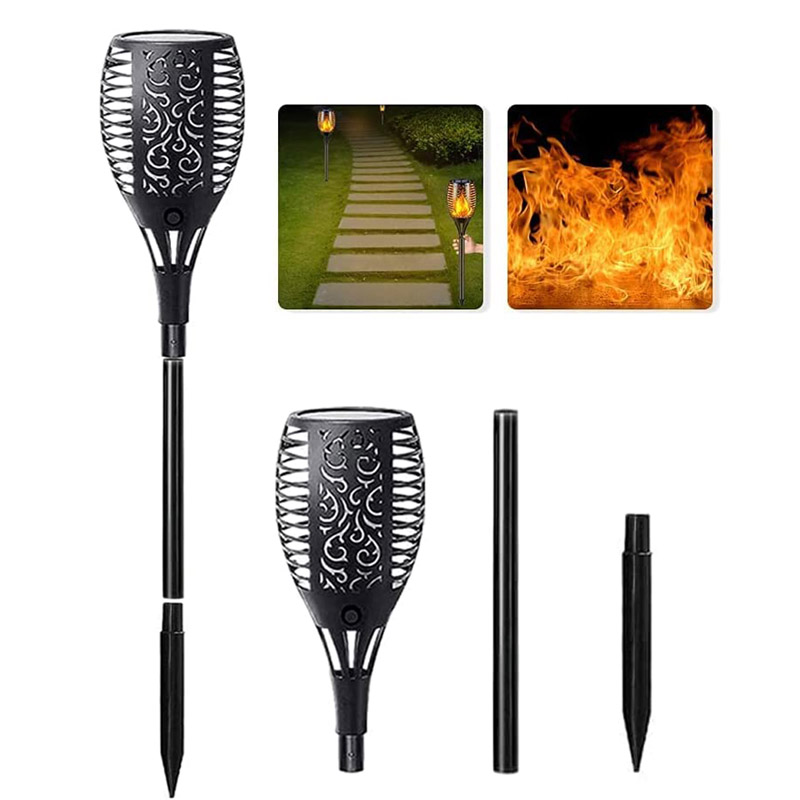
Understanding the technological and environmental vectors shaping B2B sourcing in the solar wall light space.
Modern microprocessors integrate PIR motion sensors with advanced ambient light detection. Systems intelligently adjust lumen output between 10% standby glow and 100% full illumination, optimizing power management and satisfying strict local Dark Sky ordinances.
Driven by strict European WEEE guidelines, leading manufacturers are moving away from sealed units. Sourcing centers demand modular configurations allowing easy cell and battery pack replacement, preventing premature electronic waste accumulation.
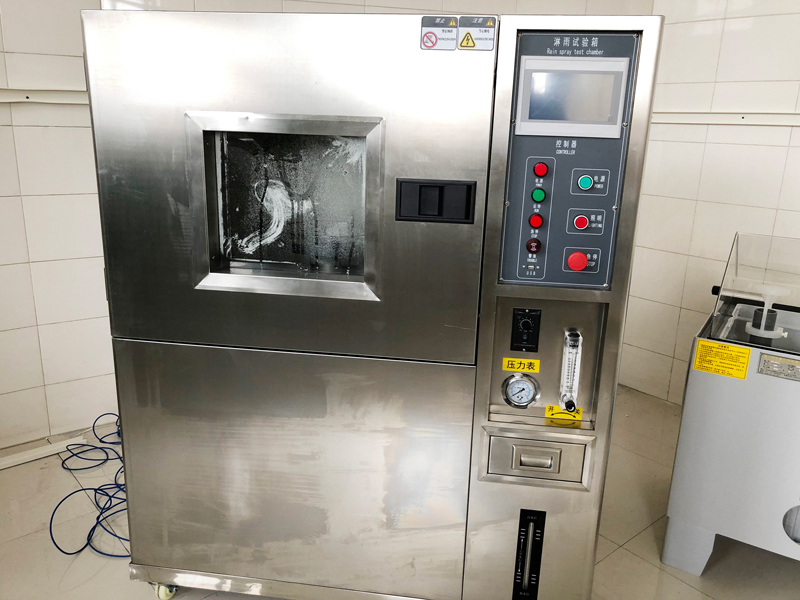
Environmental ingress standards have risen from IP44 to IP65/IP66 as a baseline requirement. Heavy weather testing ensures long-term resistance to salt corrosion, high wind forces, and heavy rain cycles in coastal and mountainous deployments.
The modern manufacturing sector in China has evolved beyond simple low-cost assembly. High-end exporters like Ningbo Mengting Outdoor Implement Co., Ltd. represent the integration of Industry 4.0 standards. Located in Jiangshan Town—a premier industrial zone in Ningbo's core southern district—our facility operates with unmatched logistics advantages. Situated only 30 minutes from the Beilun deepwater port, our freight pipeline connects directly to international shipping networks, minimizing transit latency and transport overheads.
Our Quality Management System is built to ensure strict control at every process node. From raw material ingress to final product packaging, our production adheres to international certification standards including CE and RoHS. In an era where supply chain predictability is crucial for global distributors, our process transparency, advanced testing practices, and location advantages provide a reliable buffer against market volatility.
Ensures structural integrity across extreme environments.
Reduces product design lead time to days.
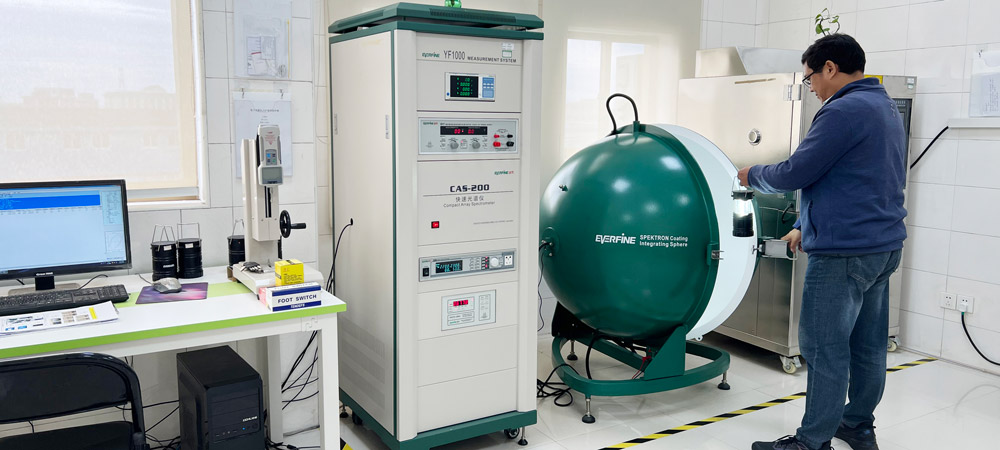
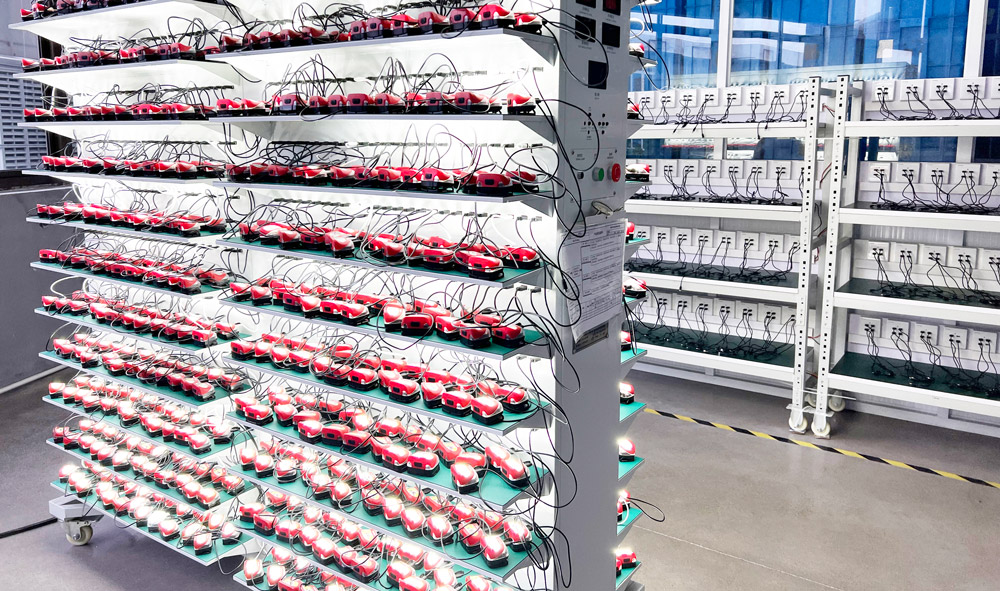
Our commitment to reliability is backed by strict laboratory testing. Every batch undergoes extensive verification to confirm optical and environmental performance.
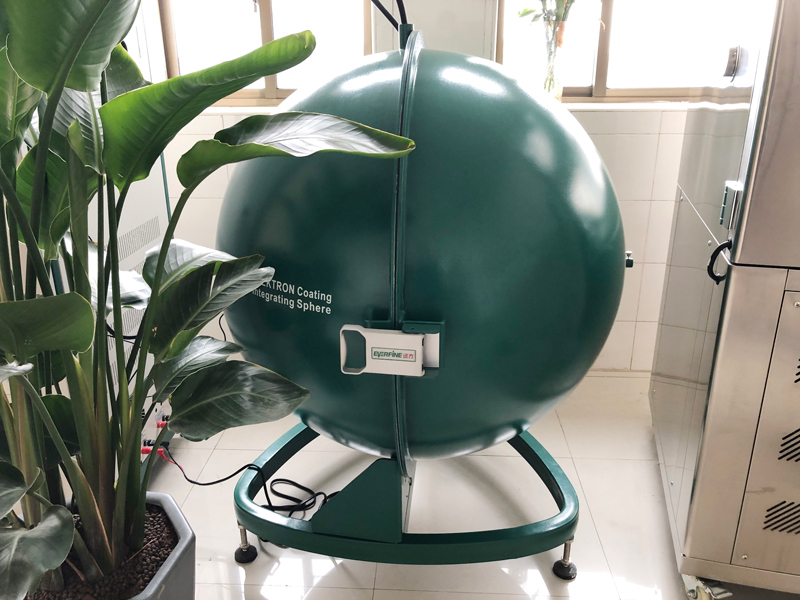
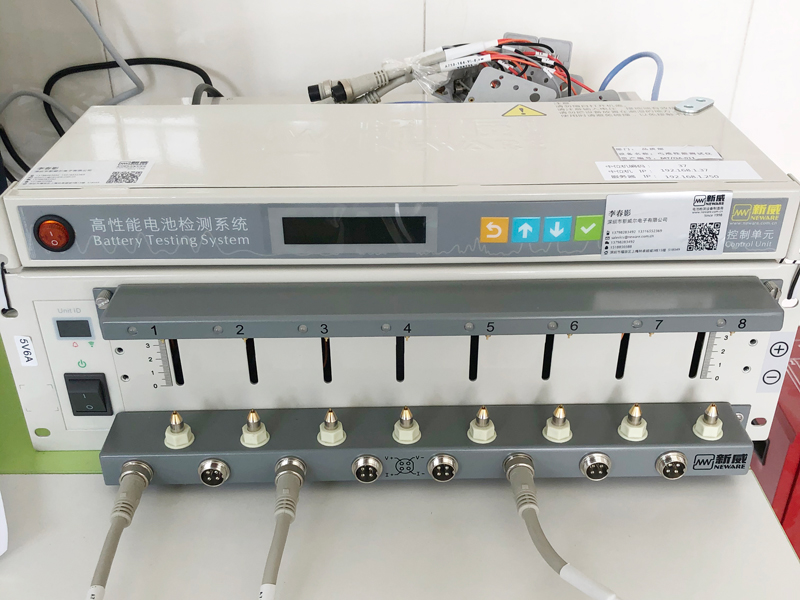
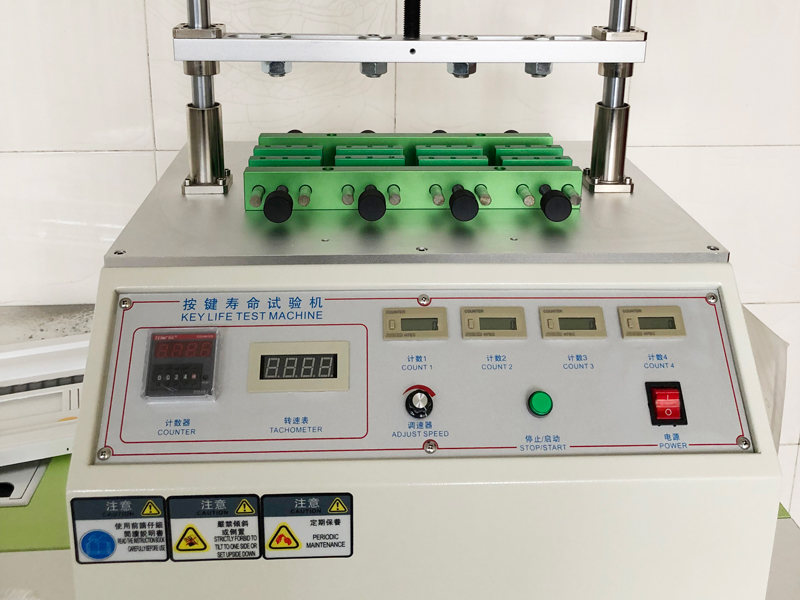
Our quality objectives prioritize speed and transparency: Customer complaint handling and feedback are resolved in under 24 hours, ensuring 100% feedback loop integrity. With a 99% on-time delivery rate and a 99.9% packaging pass rate, we are committed to providing premium service to commercial partners globally.
Bridging the gap between industrial design and environmental realities. Where our solar wall installations perform.
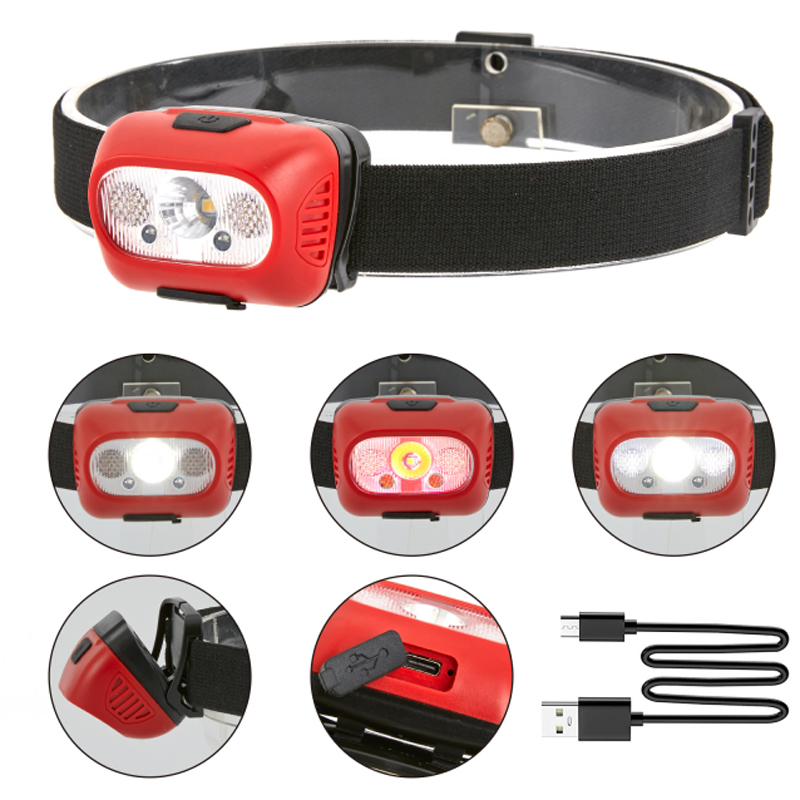
Providing pathways, entryways, and courtyards with ambient security lighting that blends seamlessly with modern landscaping styles.
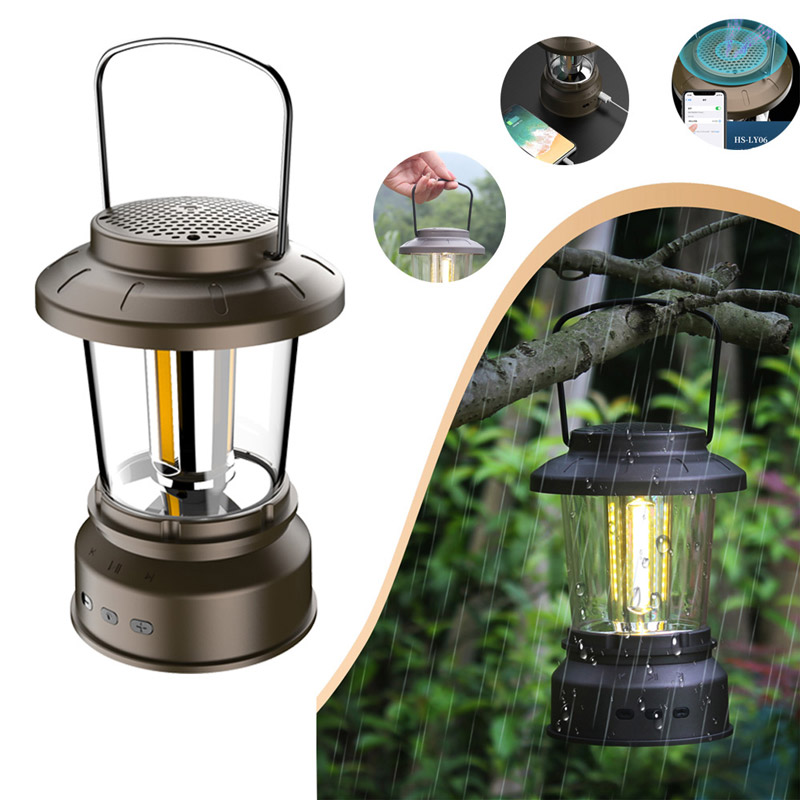
Ensuring reliable perimeter lighting for logistics centers, parking areas, and retail walkways without increasing grid power draw.
Supporting municipal greenways and parks with clean energy solutions that reduce carbon footprints and lower maintenance needs.
Reliable illumination for eco-resorts, construction workspaces, and remote structures where wiring is impractical or too costly.
We actively showcase our latest innovations and connect with partners at major international trade shows.
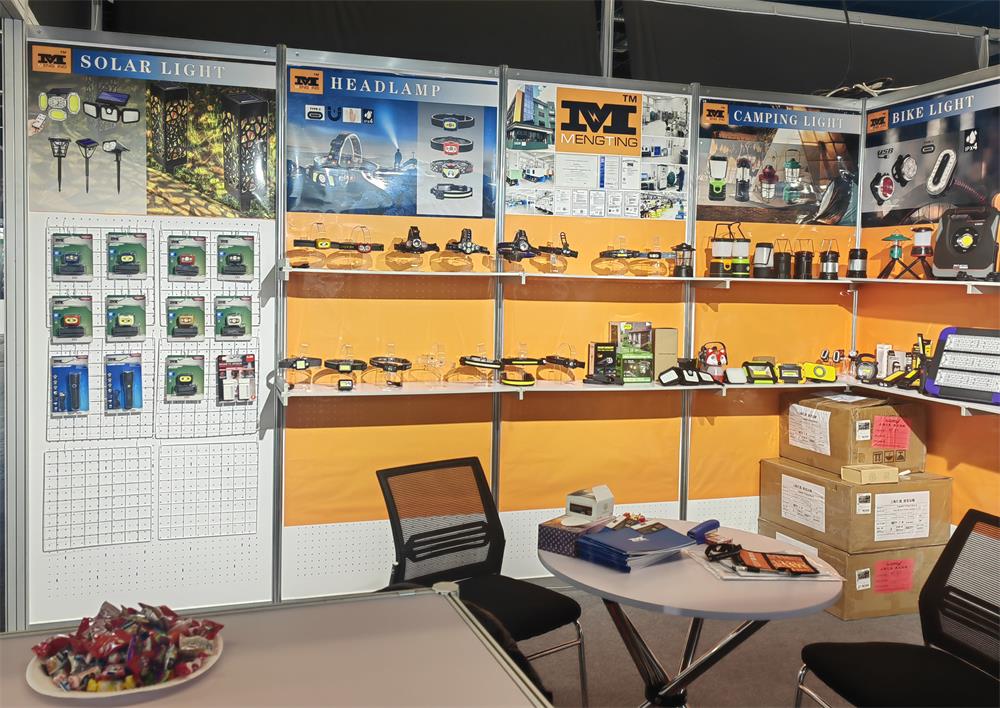
March 2024 - Showcasing next-generation intelligent solar and outdoor utility designs.
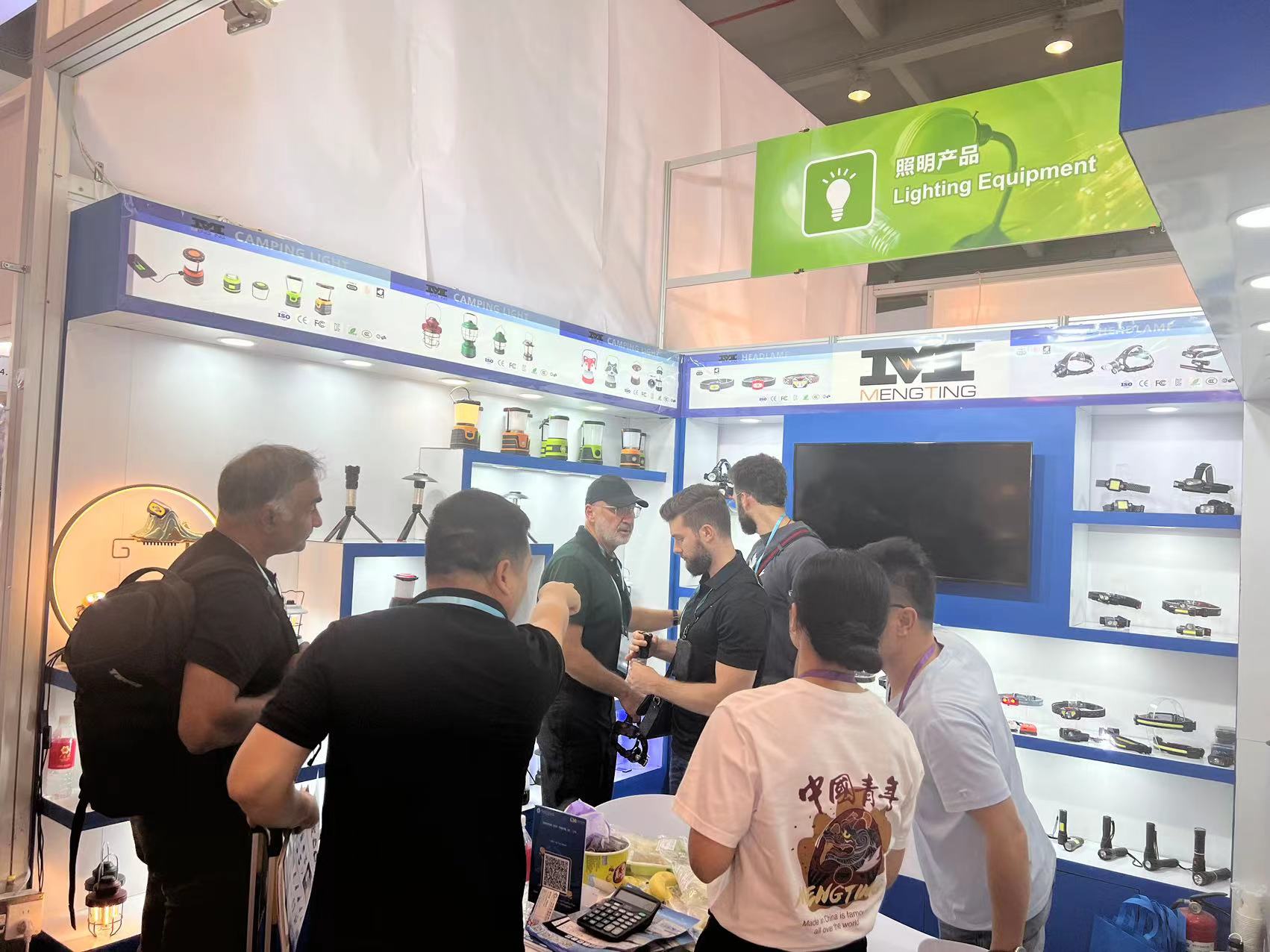
October 2023 - Launching advanced smart-sensing solar lighting hardware.
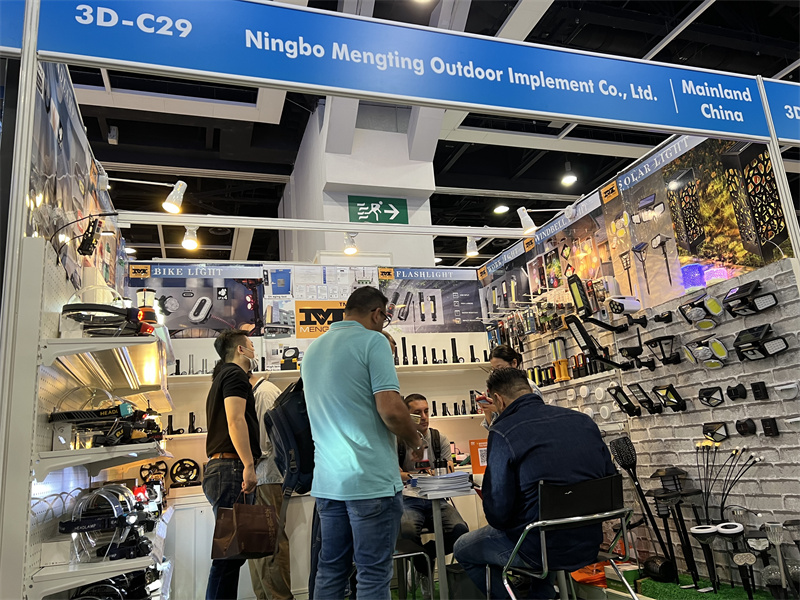
April 2023 - Displaying lightweight USB rechargeable systems and outdoor headlamps.
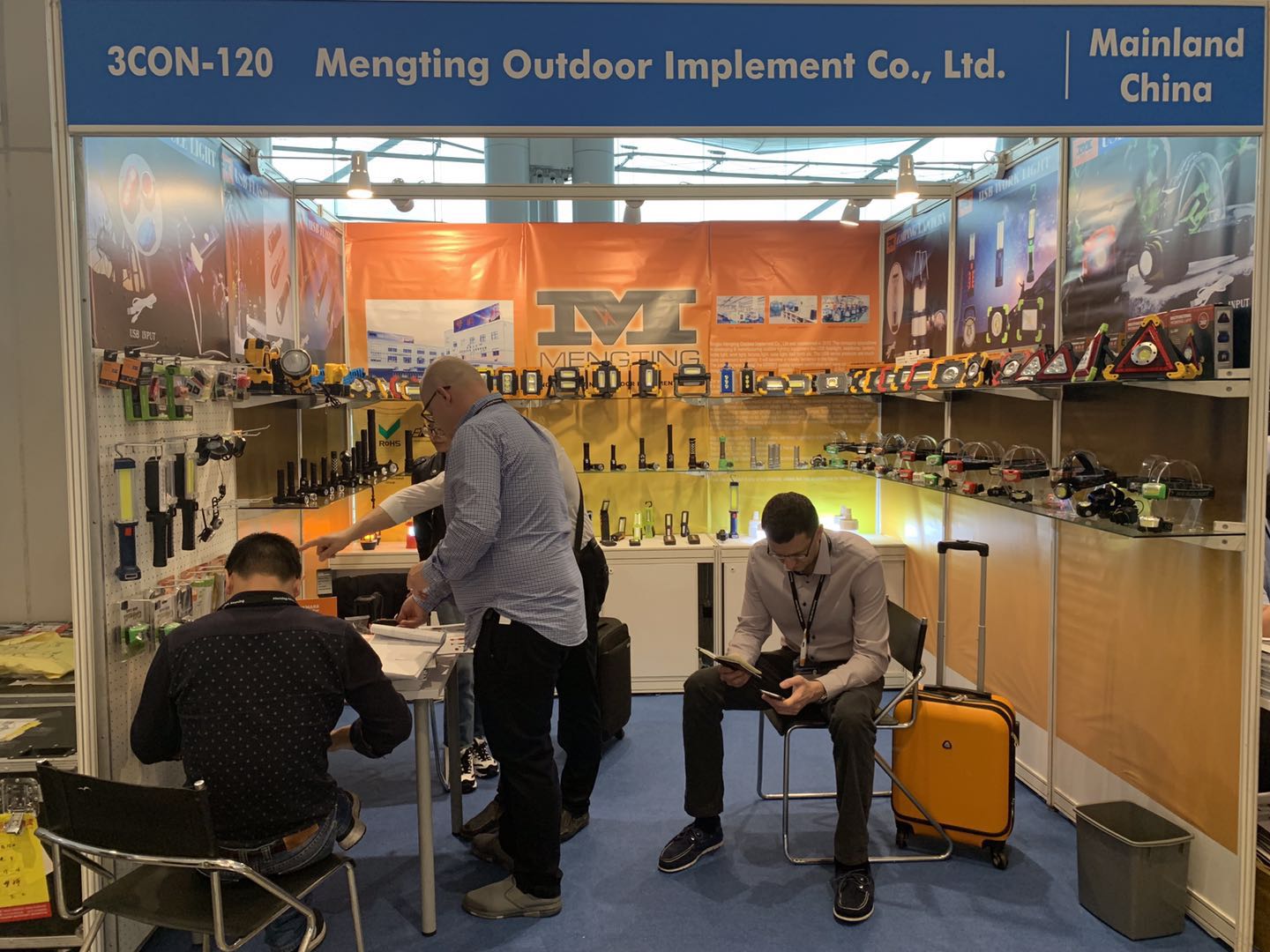
April 2019 - Showcasing classic designs that built our reputation for durability.
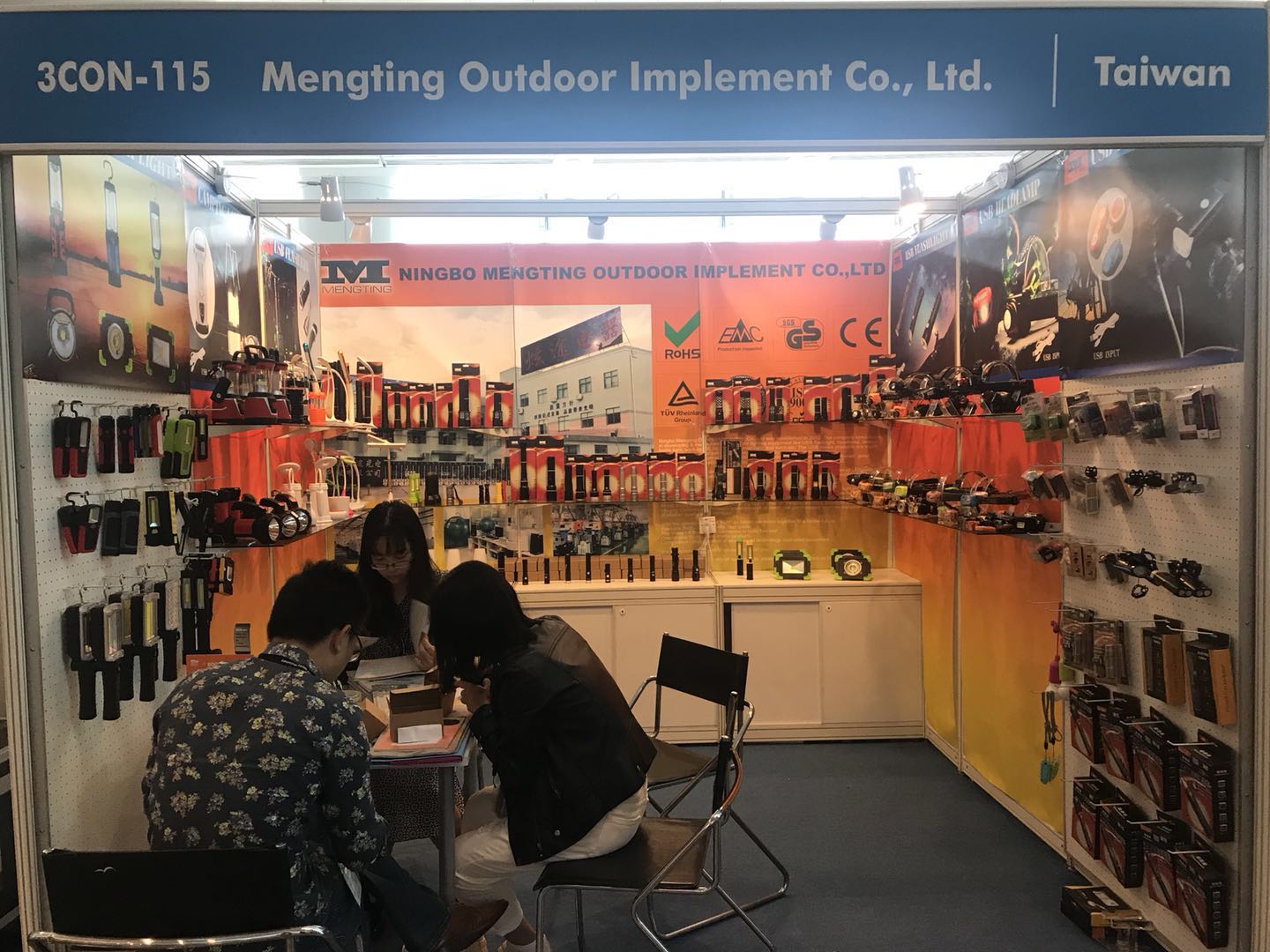
October 2018 - Expanding our presence in the European and South American trade sectors.
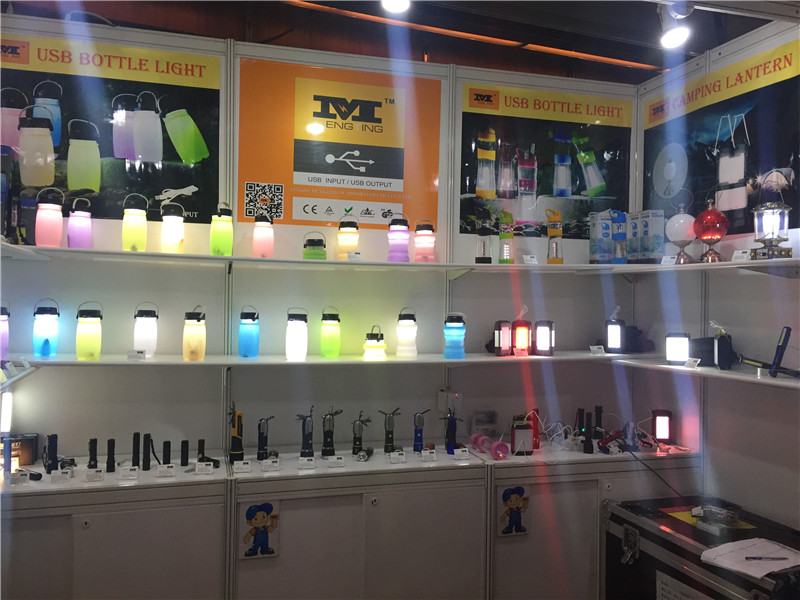
October 2016 - Introductions of early prototype solar panel integration solutions.






Important technical details, regulatory requirements, and engineering considerations for sourcing garden solar wall lights from China.
Conversion efficiency depends on the grade of silicon wafer and the encapsulation material. Monocrystalline silicon cells achieve 21-23% efficiency, compared to poly cells at 15-18%. Protecting these cells with premium ETFE lamination ensures long-term UV resistance, preventing yellowing and maintaining performance for over 5 years.
Standard Lithium-ion chemistries can lose capacity when temperatures drop below freezing. For colder climates, LiFePO4 (Lithium Iron Phosphate) battery chemistry is the preferred choice, offering stable discharge rates down to -20°C and a significantly longer lifespan of up to 2,000+ charge cycles.
Imports into the EU must carry CE marking and adhere to RoHS directives for hazardous materials, as well as WEEE directives for electronic waste. In the US, FCC Part 15 compliance is needed for smart sensors, and UL 8750 or UL 1598 listings are recommended for commercial safety approval.
Intelligent lighting systems use passive infrared (PIR) sensors to manage energy consumption. During low-sun winter months, the light runs in a low-power standby mode (around 10% brightness) and shifts to 100% illumination only when motion is detected, preventing battery depletion.
We offer comprehensive ODM services, including custom housings to match architectural specifications, custom color temperatures, and tailored battery or solar cell sizes. We also support laser-engraved logos and custom retail packaging to match your brand identity.
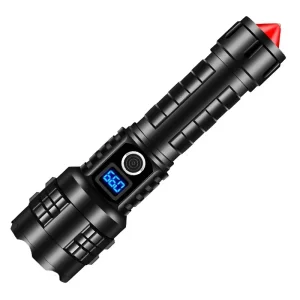
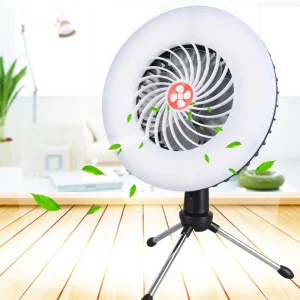
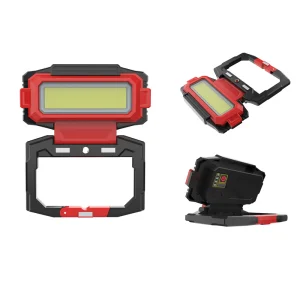
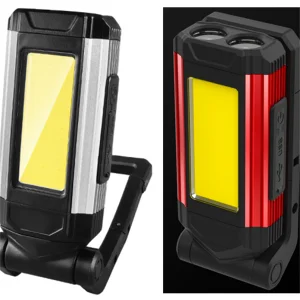
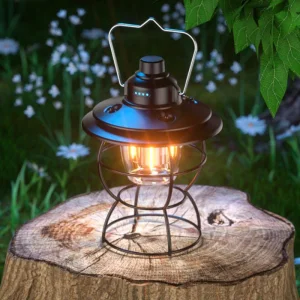
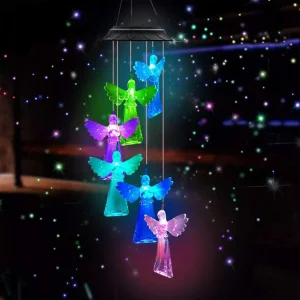
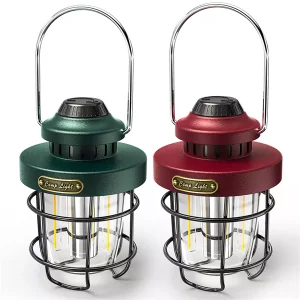
Discover our full range of rechargeable lighting, vintage-style solar lanterns, and high-performance tactical flashlights.
 MENGTING