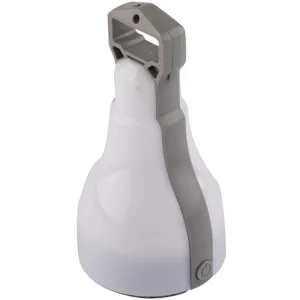
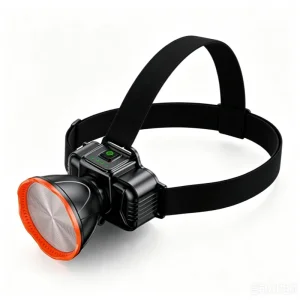
Explore our high-performance engineering configurations designed for durability, tactical operation, and off-grid reliability.
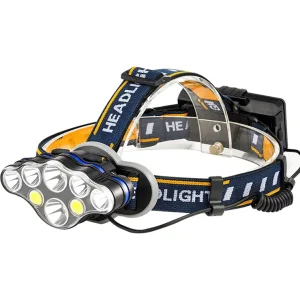
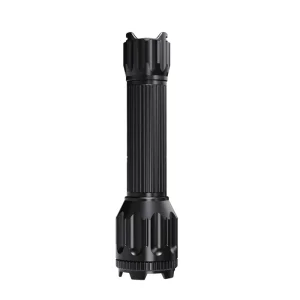
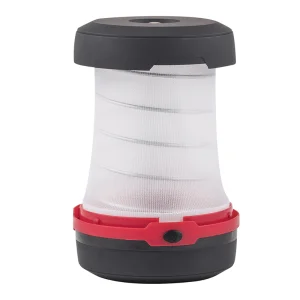
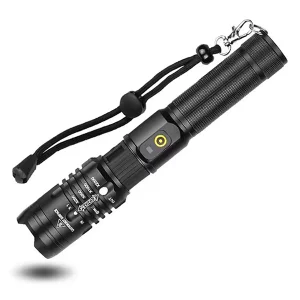
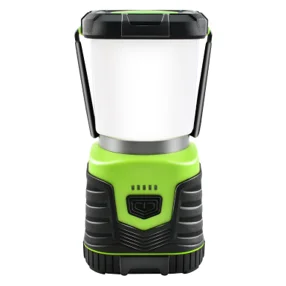
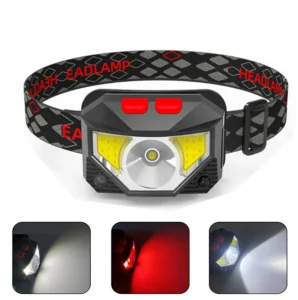
Analyzing the paradigm shift in off-grid infrastructure, modern optical efficacy, and commercial solar pathways engineering.
In the contemporary landscape of global infrastructural planning, municipal lighting, and real estate development, the integration of energy-autonomous luminaires has transitioned from an experimental green initiative to a primary compliance requirement. Solar pathway lighting stands at the intersection of optoelectronics, smart energy management, and material science, presenting an effective method to offset carbon footprints while eliminating high excavation, conduits, and installation expenses associated with grid-tied lighting systems.
As the international community pushes for strict adherence to ESG (Environmental, Social, and Governance) parameters, developers and municipal engineers are looking for robust lighting solutions capable of continuous, year-round operation under diverse climatic conditions. This requires pathway lights that go beyond simple yard decorations. Today's commercial specifications demand high-density monocrystalline PV modules, intelligent battery management systems (BMS), high-efficacy LED chipboards, and weatherproof enclosures built to resist structural loads, high humidity, and extreme temperatures.
"The true value of modern solar pathway systems lies in their total lifetime savings: eliminating trenching, conduit laying, electrical distribution panels, and ongoing utility costs, all while providing high-reliability safety illumination."
Leveraging China's manufacturing clusters—specifically located within the industrial zones of Ningbo—allows global commercial clients to source top-tier LED solar systems that meet international safety standards (CE, RoHS, IP67). In this whitepaper, we dissect the technological landscape, manufacturing advantages, localization support, and logistics structures that define the leading edge of outdoor LED solar pathway lighting systems.
By capturing clean solar energy via high-grade photovoltaic panels, these pathway units operate entirely off-grid, guaranteeing uninterrupted performance during utility failures or extreme weather events.
Eliminate ongoing electricity costs. Built-in smart daylight sensors automatically transition operational modes from charge state to active illumination, optimizing energy storage.
Directly satisfy municipal and corporate sustainability indices. Modern LED luminaires reduce light pollution through targeted optical profiles and Dark Sky compliant optics.
The progression of optoelectronics, next-generation photovoltaic materials, and localized IoT connectivity.
The evolution of solar pathway lighting is guided by key technological milestones. Originally relying on low-efficiency polycrystalline panels and unstable nickel-cadmium batteries, the industry has evolved. Today, high-conversion monocrystalline silicon panels achieve laboratory efficiencies exceeding 24%. When combined with high-capacity Lithium Iron Phosphate (LiFePO4) storage chemistry, modern units can operate for several consecutive rainy or overcast days (autonomy capability) without performance degradation.
Furthermore, the incorporation of intelligent power management algorithms—known as Maximum Power Point Tracking (MPPT)—actively adjusts the voltage output profile of the PV panel, ensuring optimal battery charging even under low-light or diffused sunlight conditions. At the LED level, the integration of high-efficacy SMD chips (Surface Mount Device) has pushed system-level luminous performance to over 180 lumens per watt. This reduces energy drain while providing bright, uniform ground lighting.
Looking ahead, the integration of smart cities and IoT (Internet of Things) protocols is transforming simple pathway fixtures into data-collecting nodes. Future configurations will feature Bluetooth mesh networks, Zigbee, or cellular NB-IoT transceivers. These will allow municipal managers to remotely monitor battery health, dim outputs during quiet hours, and receive real-time alerts for maintenance, minimizing localized operational costs.
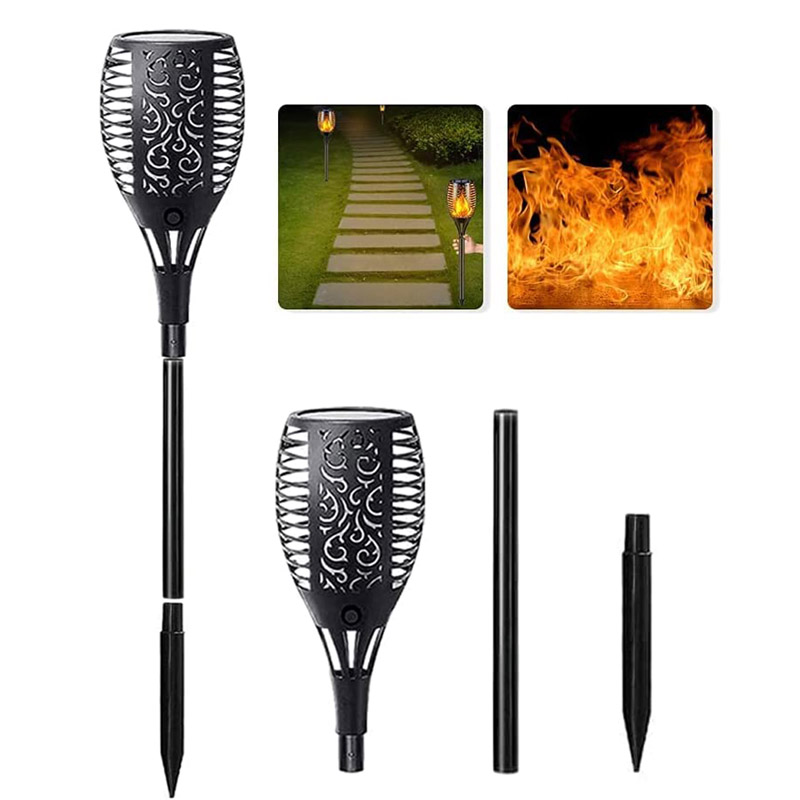
Transitioning to ultra-thin monocrystalline panels to capture a broader light spectrum, improving winter and low-light charging efficiency by 25%.
Implementing next-gen solid-state batteries to prevent thermal issues, maximize charge/discharge cycles to >4000 times, and extend total system life.
Integrating environmental sensors, security cameras, and wireless management systems to transform outdoor lights into smart lighting nodes.
Leveraging strategic industrial clustering, rigorous laboratory validation, and premium production efficiency.
Ningbo Mengting Outdoor Implement Co., Ltd., established in 2014, has positioned itself as an industry leader in the outdoor portable and solar lighting manufacturing sector. Located in Jiangshan Town, an industrial hub in the core area of southern Ningbo, the company benefits from a prime geographical location. With direct proximity to local highways and being only a 30-minute drive to the Port of Beilun, Ningbo Mengting provides seamless shipping logistics to international hubs.
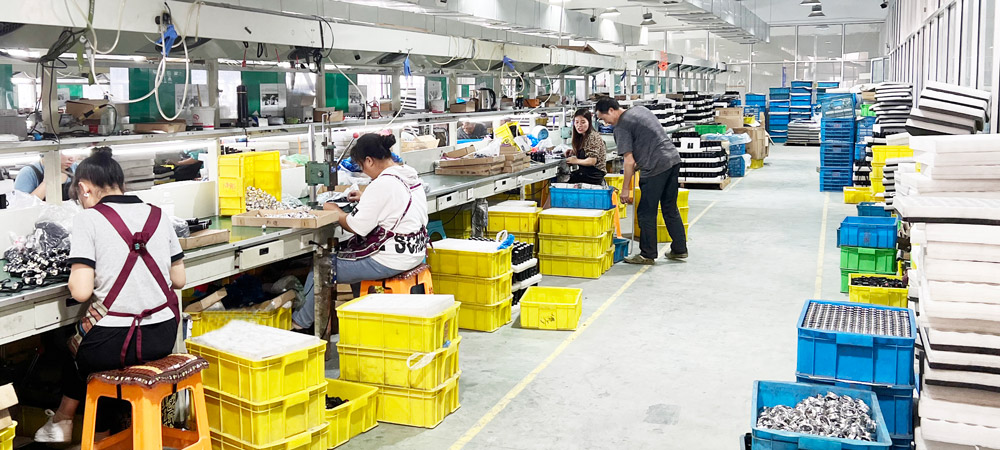
Spanning a modern 2800+ square meter factory workshop, our operations are vertically integrated, housing advanced machinery for metal fabrication, precision plastic injection molding, automated surface mount technology (SMT), and high-capacity manual/semi-automated assembly lines. With over 50 sets of dedicated production equipment, we maintain a flexible and robust manufacturing capacity capable of handling large-scale commercial contracts and specialized, high-volume OEM/ODM projects.
Our quality control program operates under the principle of "Quality First, Honesty and Excellence". We don't just inspect the final product; we test at every stage of production. Incoming materials must pass strict component testing, and every batch of batteries undergoes capacity matching. Finished units are subjected to rigorous testing inside our in-house laboratory, which features testing systems designed to evaluate performance under challenging real-world conditions:
Evaluates spatial luminous flux, color rendering index (CRI), spectral distribution, and correlated color temperature (CCT) to ensure absolute optical accuracy.
Verifies ingress protection levels (IP65, IP66, IP67). Ensures the pathways structural joints, seals, and wire entries are completely waterproof under high-pressure water spray.
Subjecting component parts to high temperature/humidity cycles and simulated UV exposure, ensuring long-term material stability and preventing plastic yellowing or metal corrosion.
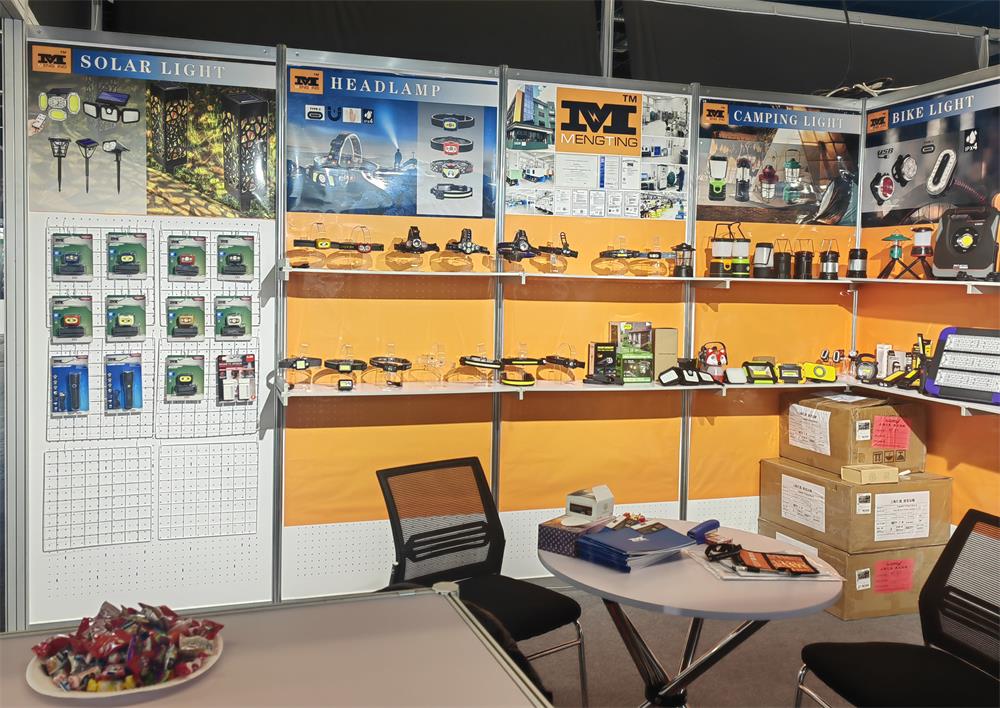
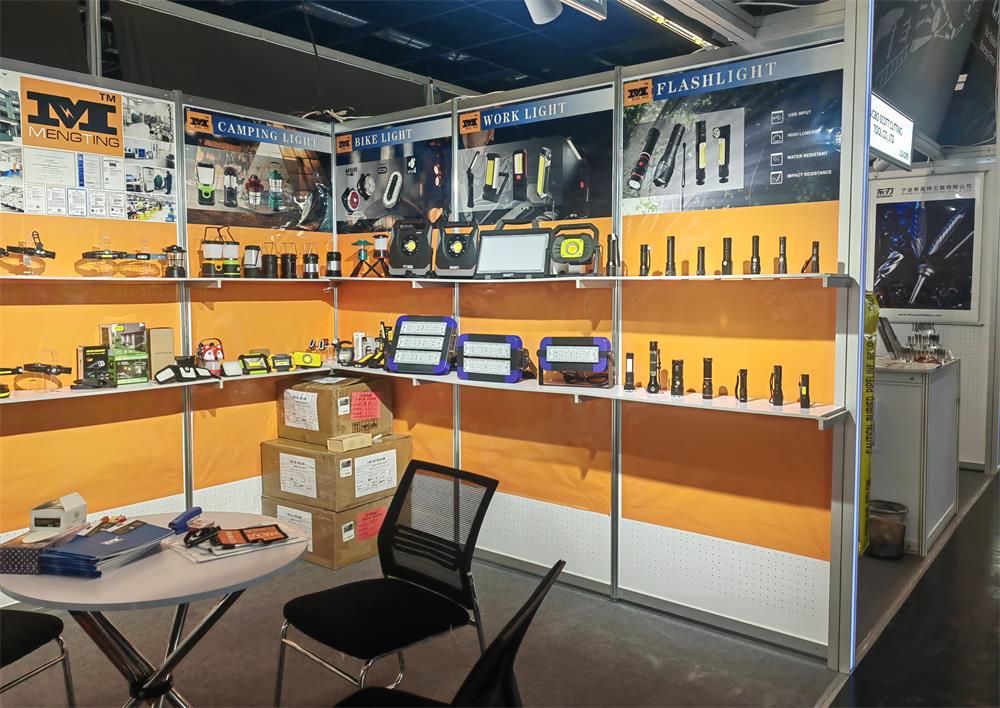
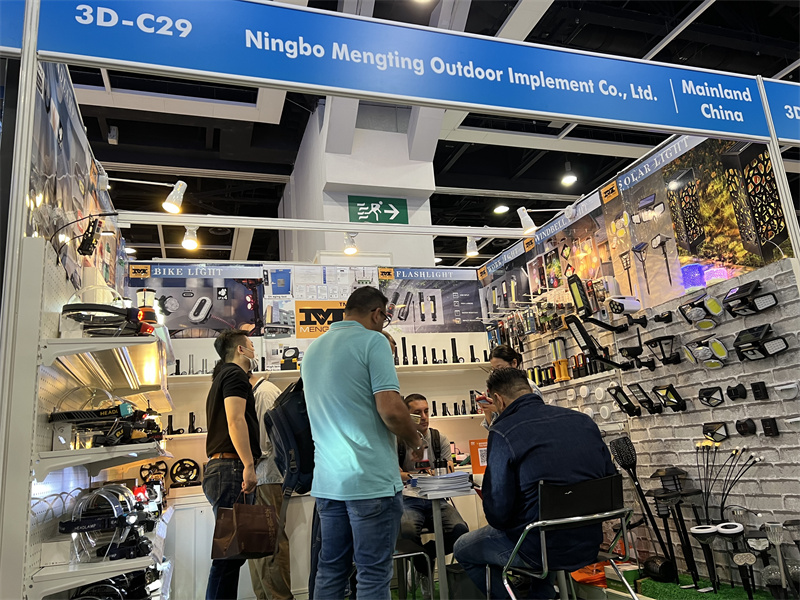
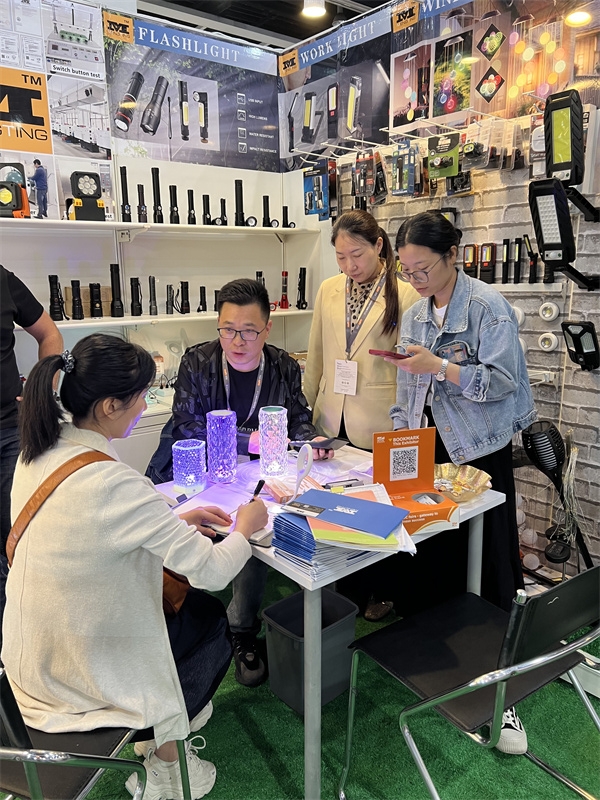
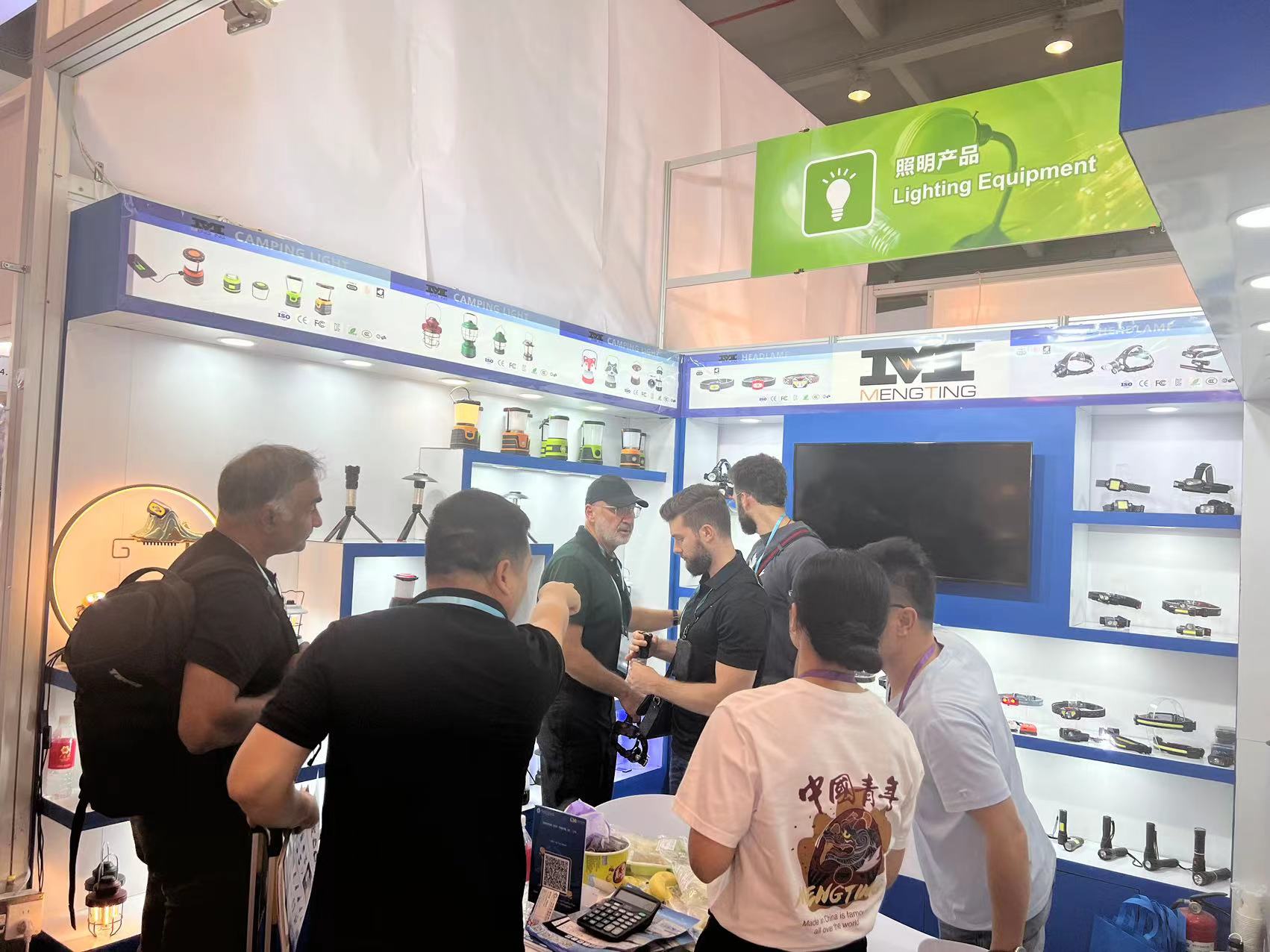
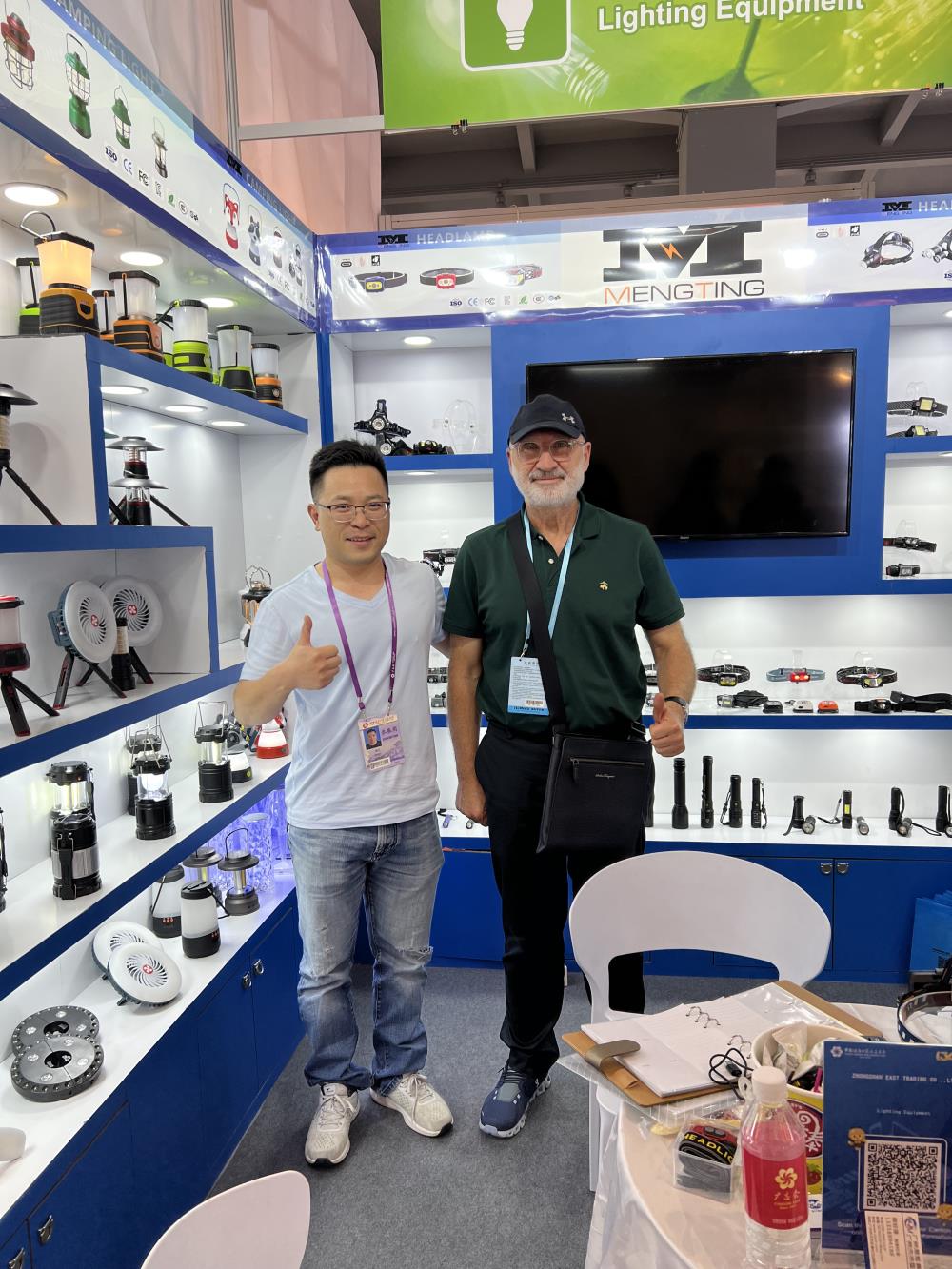
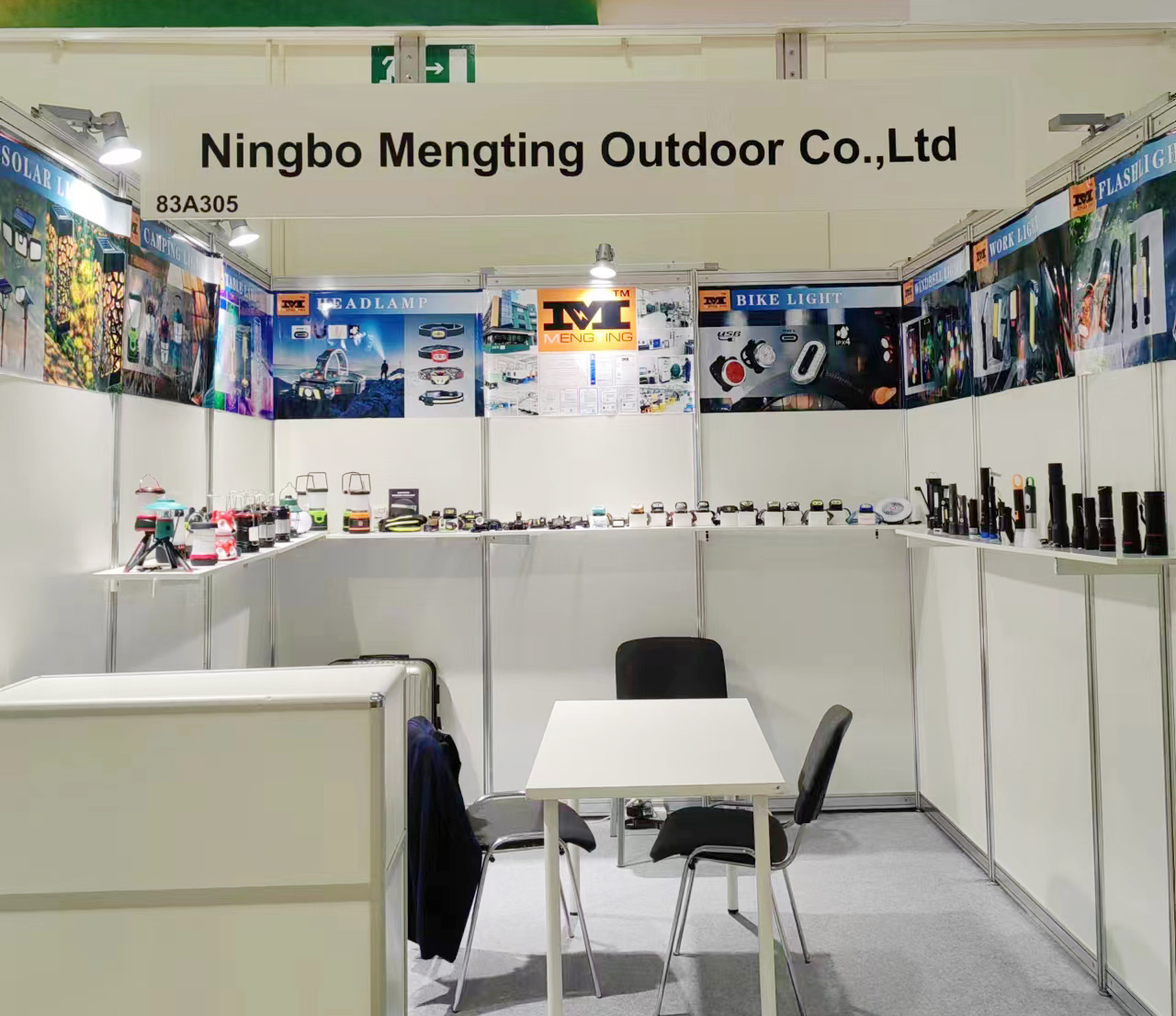
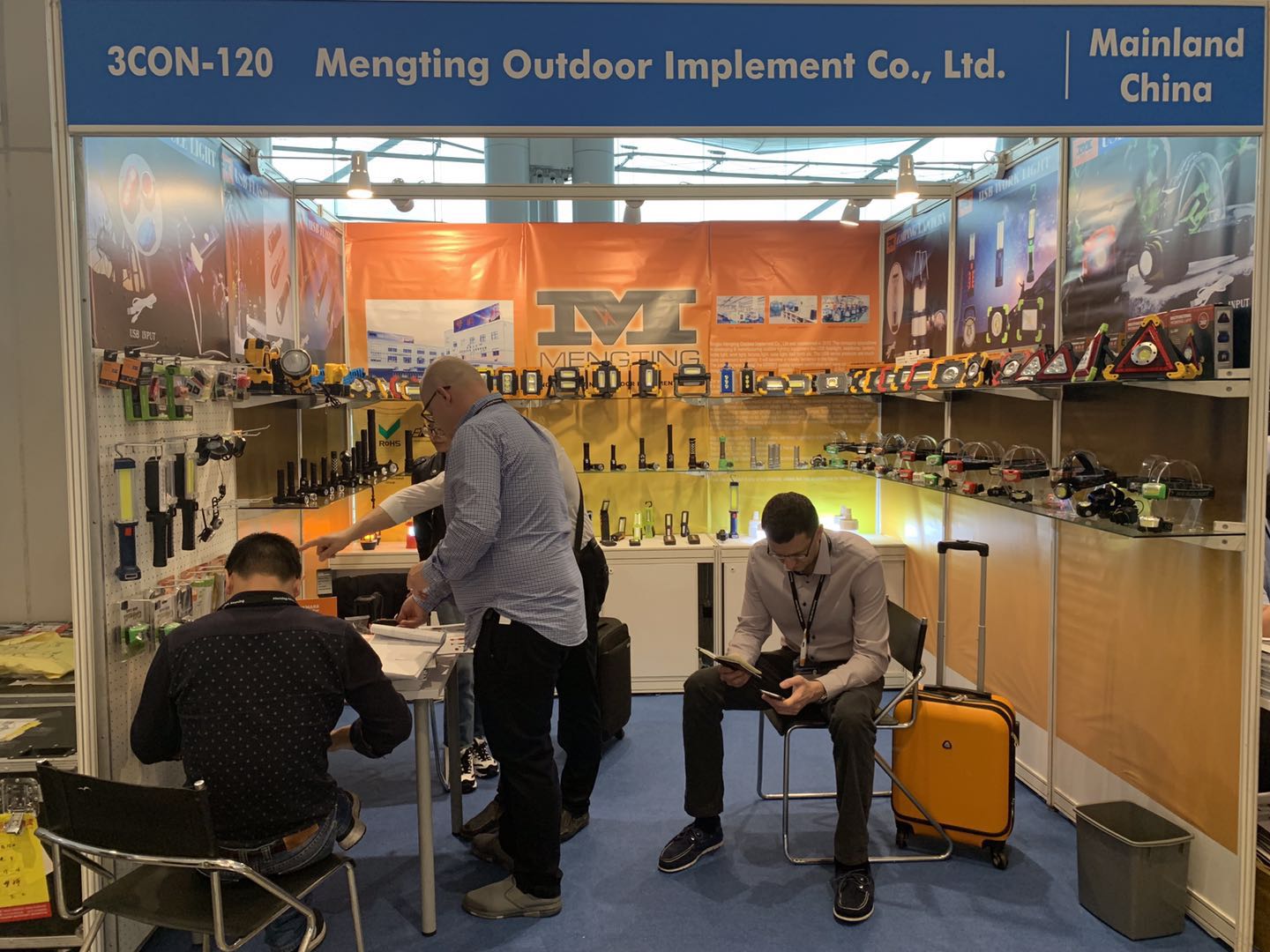
A retrospective look at our worldwide trade appearances, showcasing direct client engagement, localized technology presentations, and international market integration.
Maintaining long-term relationships with leading global outdoor brands requires constant direct communication. Over the past decade, Ningbo Mengting has showcased its latest innovations at top hardware, outdoor, and electronics exhibitions worldwide. These trade shows allow our engineering teams to display newly developed custom molds, receive direct feedback from regional distributors, and keep pace with global technical and regulatory requirements.
Analyzing how solar pathway illumination performs across diverse municipal, commercial, and residential environments.
Public greenways require reliable lighting to ensure community safety. Solar pathway lights provide cost-effective lighting without disturbing mature trees or park lawns with trenching. They keep public spaces accessible after sunset.
For coastal locations, standard lights quickly fail from corrosion and salt air. Our specialized outdoor path lights feature high-density ABS, polycarbonate, or marine-grade anodized aluminum. IP66 seals keep moisture out, preventing corrosion.
Large commercial perimeters need reliable security lighting. Installing grid-powered lights over vast yards can be cost-prohibitive. Solar pathway lights mount quickly to concrete footings, offering self-sufficient lighting with low overhead.
How our core organizational values drive product quality and high customer satisfaction standards.
At Ningbo Mengting Outdoor Implement Co., Ltd., we develop our product line under the guidance of our "Four Truths" philosophy, which serves as our foundation for sustainable growth and long-term customer partnerships:
Our quality policies are backed by clear metrics, keeping our production lines accountable and ensuring our service matches our engineering standards:
We work closely with global distributors, retailers, and OEM/ODM partners to supply quality lighting systems to key markets.





Get answers to common technical, logistics, and compliance questions about importing solar lighting solutions from China.
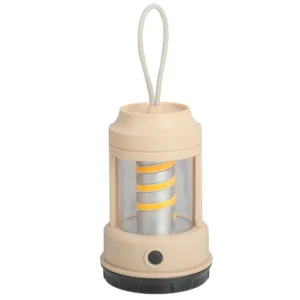
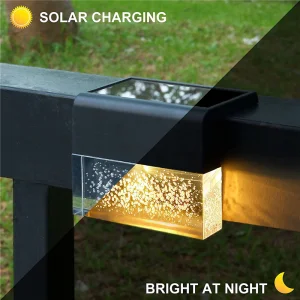
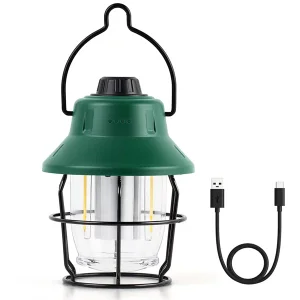
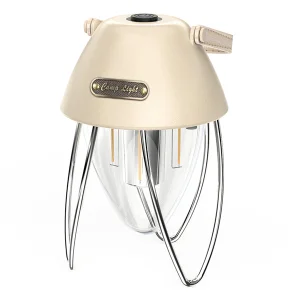
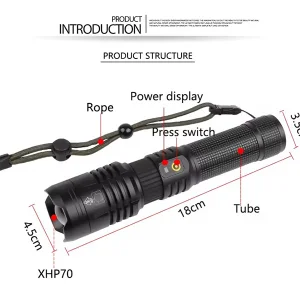
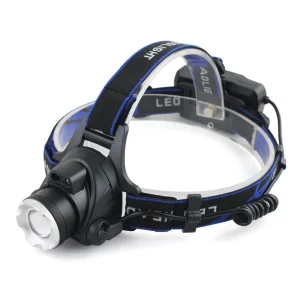
Explore our second selection of specialty lanterns, solar recessed lighting, and tactical utility lights.

 MENGTING