Engineered for Resilience, Designed for Visual Brilliance
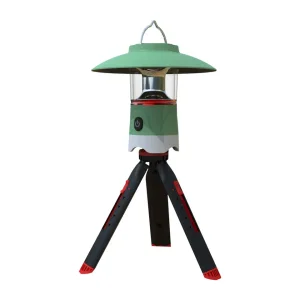
Learn More →
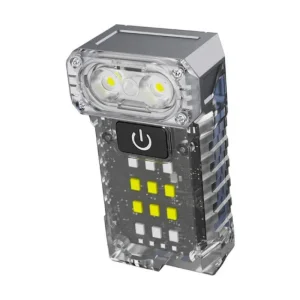
Learn More →
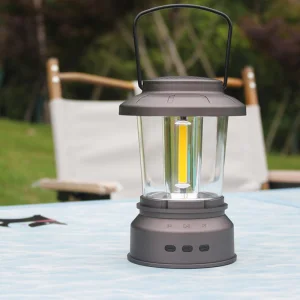
Learn More →
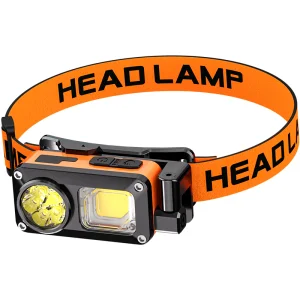
Learn More →
Learn More →
Learn More →
Learn More →
Learn More →
Deep Technical Insights and Structural Analysis of Modern Photovoltaic Architecture Systems
Modern commercial infrastructure is transitioning from fossil-fuel grid reliance to decentralized renewable grids. As net-zero building designs and ESG mandates take center stage worldwide, commercial entities, landscape architects, and municipal organizations are increasingly deploying high-efficiency Solar RGB Spot Lights. No longer reserved for niche decorative applications, modern solar spot lighting serves key functional roles in public security, architectural facades, spatial demarcation, and high-visibility branding. Under the framework of Smart City initiatives, these systems serve as independent IoT nodes that operate reliably under complex climatic constraints.
The core bottleneck of historical solar lights lay in solar panel conversion coefficients and battery longevity. Ningbo Mengting Outdoor Implement Co., Ltd. addresses this through the adoption of N-type Monocrystalline Silicon cells yielding conversion rates of up to 23%. Integrated with LiFePO4 (Lithium Iron Phosphate) cell matrices featuring robust Battery Management Systems (BMS), our solar light architectures withstand over 2,500 charging cycles. Optical delivery has also evolved, moving from basic flat glass covers to precision-engineered optical PMMA collimators designed to optimize RGB color blending while reducing luminous dispersion.
The operation of solar RGB spot lights requires careful energy balancing. Unlike monochromatic solar lights, RGB architectures operate on dynamic, multi-spectral output matrices requiring precise power modulation. The typical system employs a Maximum Power Point Tracking (MPPT) solar charge controller, ensuring maximum power extraction from the PV array under partial shade or overcast conditions. This MPPT controller coordinates with the LiFePO4 battery pack to prevent overcharging, thermal runaway, and deep-discharge cycles, maintaining system performance even through consecutive rainy days (autonomous battery runtime often exceeding 72 hours).
In color-critical architectural applications, chromatic consistency across fixtures is a primary engineering requirement. Traditional manufacturers often fail to account for LED binning discrepancies, resulting in visible color shifts. We implement strict MacAdam Ellipse color sorting to guarantee all units emit uniform chromaticity coordinates. By integrating smart protocols, these lighting systems can be networked through Bluetooth Mesh or Tuya Zigbee hubs, enabling automated lighting scenes, music synchronization, and scheduled color-way configurations suitable for municipal parkways, commercial hospitality zones, and complex industrial facades.
| Performance Parameters | Industrial Grade Solar RGB Specifications | Standard Landscape Light Specs |
|---|---|---|
| Photovoltaic Panel Type | N-Type Monocrystalline Silicon (22%-24% efficiency) | Polycrystalline Silicon (15%-17% efficiency) |
| Battery Chemistry | Lithium Iron Phosphate (LiFePO4) >2500 cycles | Ternary Lithium or Ni-MH <500 cycles |
| Control Protocols | DMX512, RF Remote, Bluetooth Mesh, IoT App | Basic light sensor (on/off only) |
| Enclosure Material | Die-cast ADC12 Aluminum + Anti-UV Polycarbonate | Standard ABS Plastic or basic sheet metal |
| Thermal Management | Integrated Passive Fin Heat Sinks | No dedicated thermal dissipation |
Environmental challenges demand targeted engineering solutions. To ensure continuous operation under extreme climates, we customize components for three primary environments:
A Legacy of High-Performance Outdoor Lighting Equipment Production Since 2014
Founded in 2014, Ningbo Mengting Outdoor Implement Co., Ltd. specializes in the development, engineering, and manufacturing of professional USB flashlights, headlamps, camping lights, work lights, bicycle lights, and advanced solar lighting systems.
Located in Jiangshan Town, a major industrial hub in the core area of southern Ningbo city, we benefit from convenient logistics. Our factory is located near the highway exit and is only a half-hour drive to Beilun Port (Ningbo Port), facilitating efficient international shipping.
Under the philosophy of our "Four Truths"—Product Truth (Premium Quality), Value Truth (Five-Star Customer Service), Production Truth (Exquisite Craftsmanship), and Competition Truth (Innovative Science and Technology)—we integrate sustainability into our development processes to produce green, energy-efficient outdoor lighting systems.
Years Experience
Production Equipment Units
Active SKUs
Workshop Area (sqm)
Ensuring Quality and Reliability Under Demanding Outdoor Environments
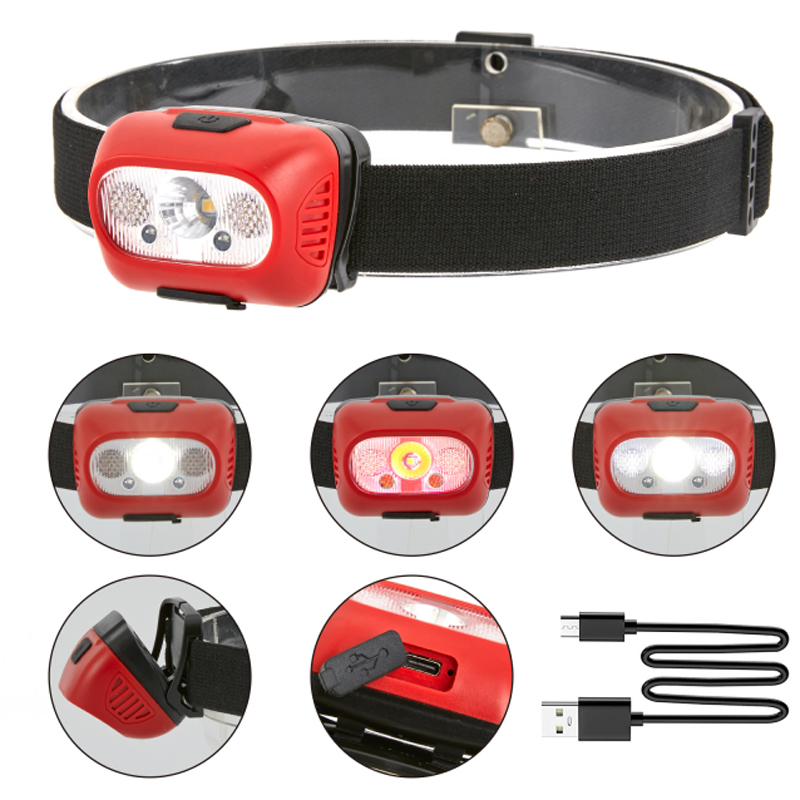
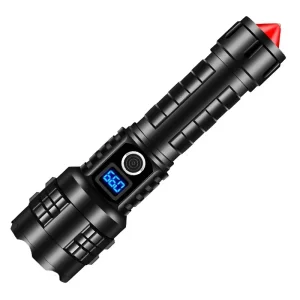
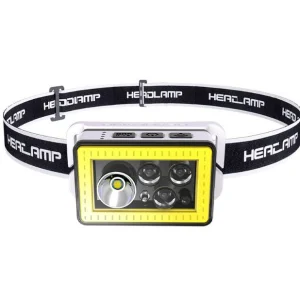
Multi-mode, high-lumens rechargeable headlamps for mining, climbing, and working.
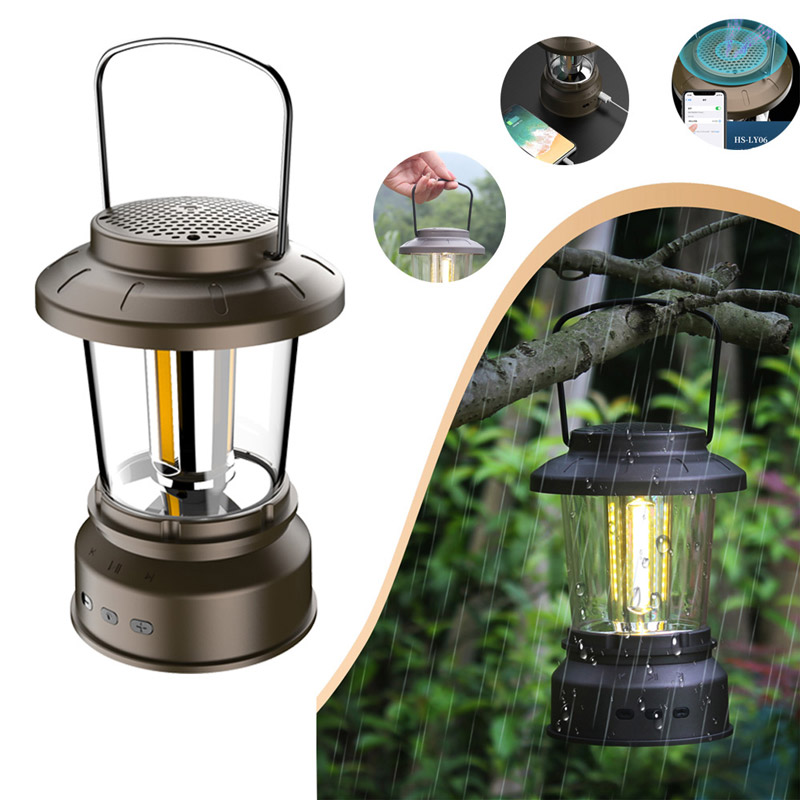
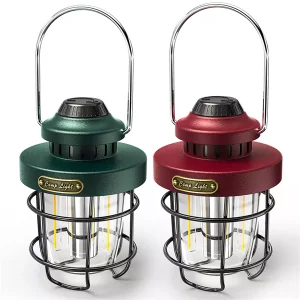
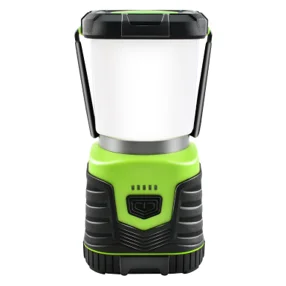
Rechargeable, dimmable outdoor lanterns for campsites and emergency lighting.
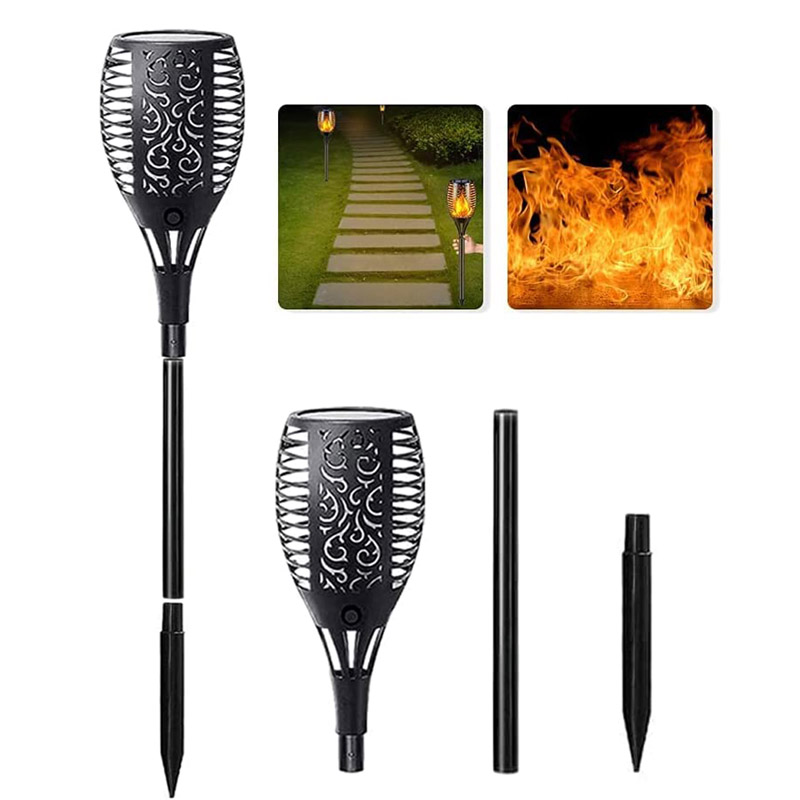
Eco-friendly intelligent solar sensor street lights and architectural spot lights.
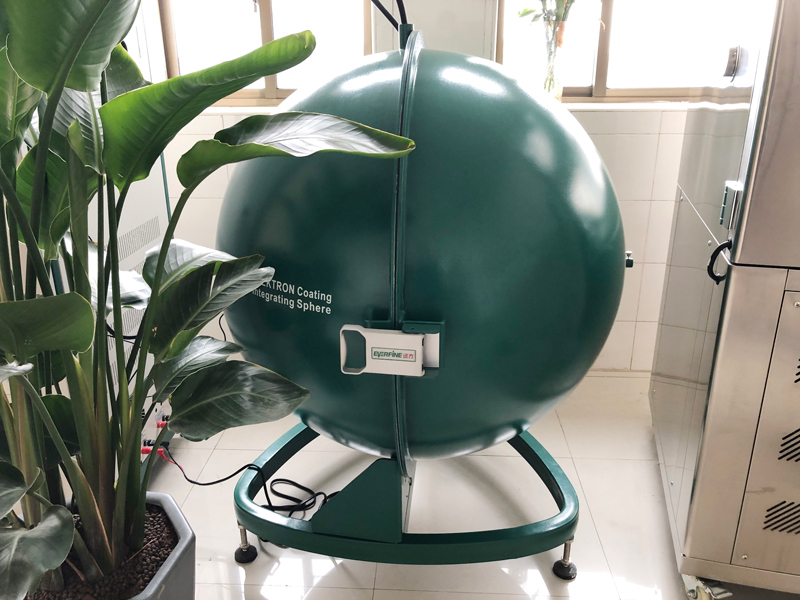
Measures spectral distribution, color rendering index (CRI), chromaticity, and total luminous flux output.
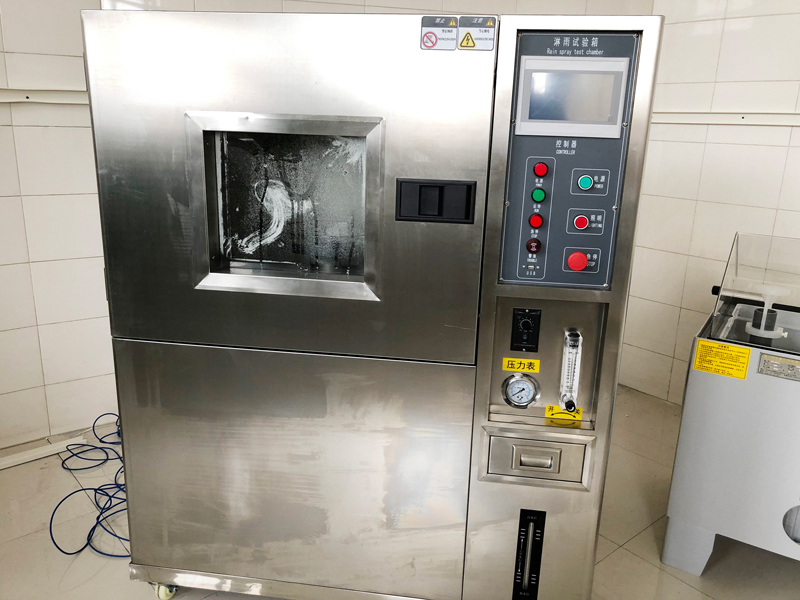
Validates IPX5, IPX6, and IPX7 ingress ratings against water intrusion from low and high pressure jets.
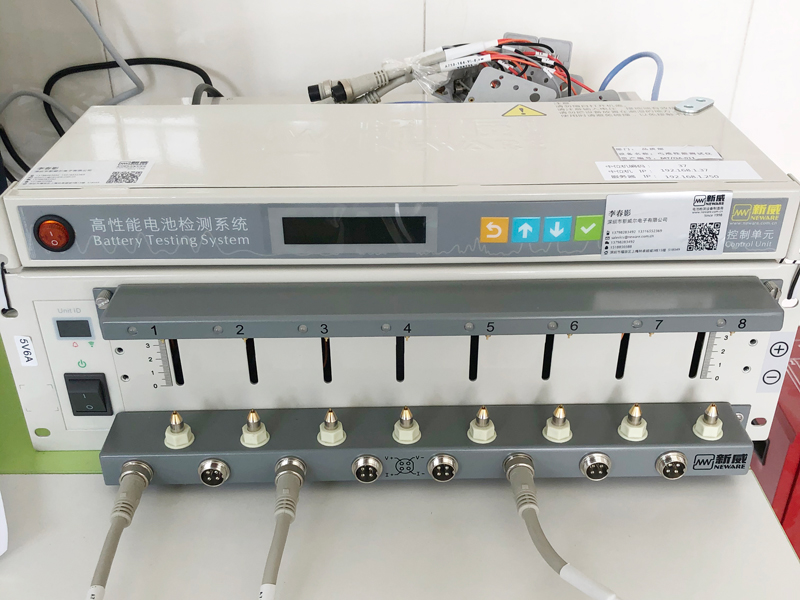
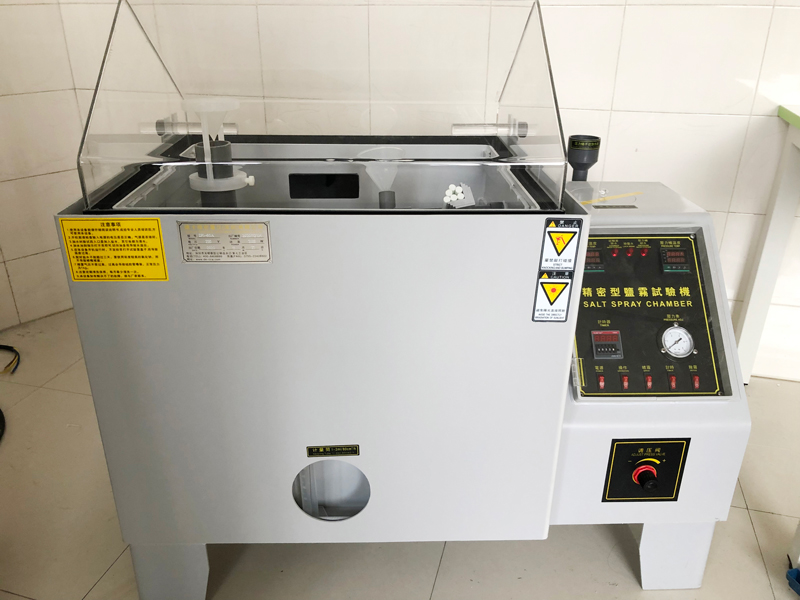
Tests durability of batteries and circuits under severe thermal loading and high moisture environments.
Verifies battery degradation, LED color decay, and driver stability over continuous duty cycles.
Connecting with Clients Worldwide Through Premier Industry Trade Shows
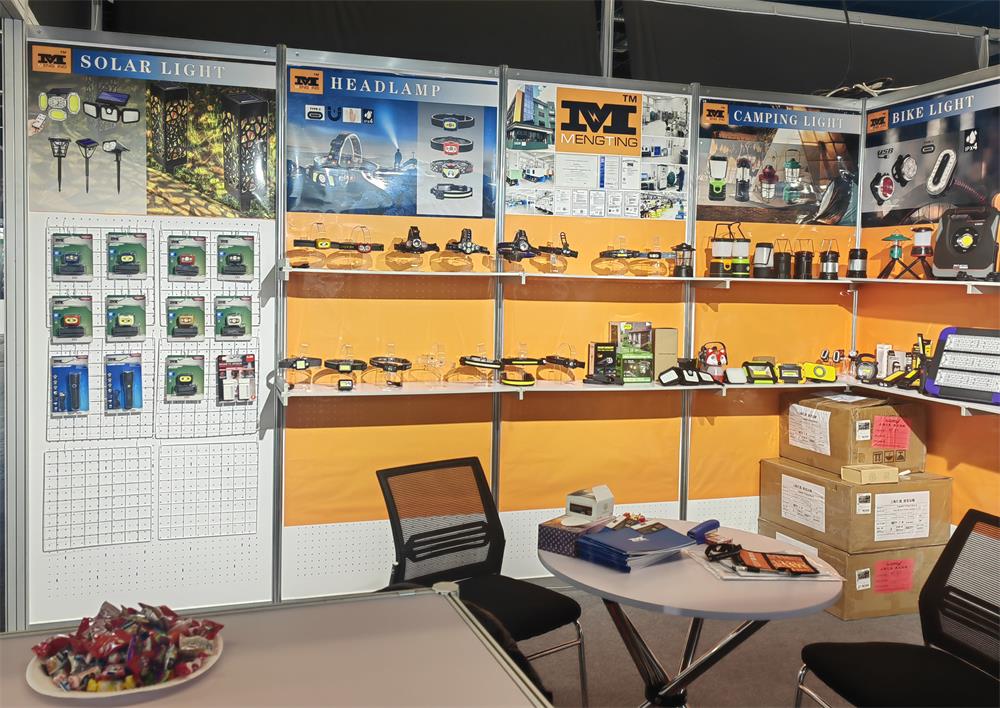
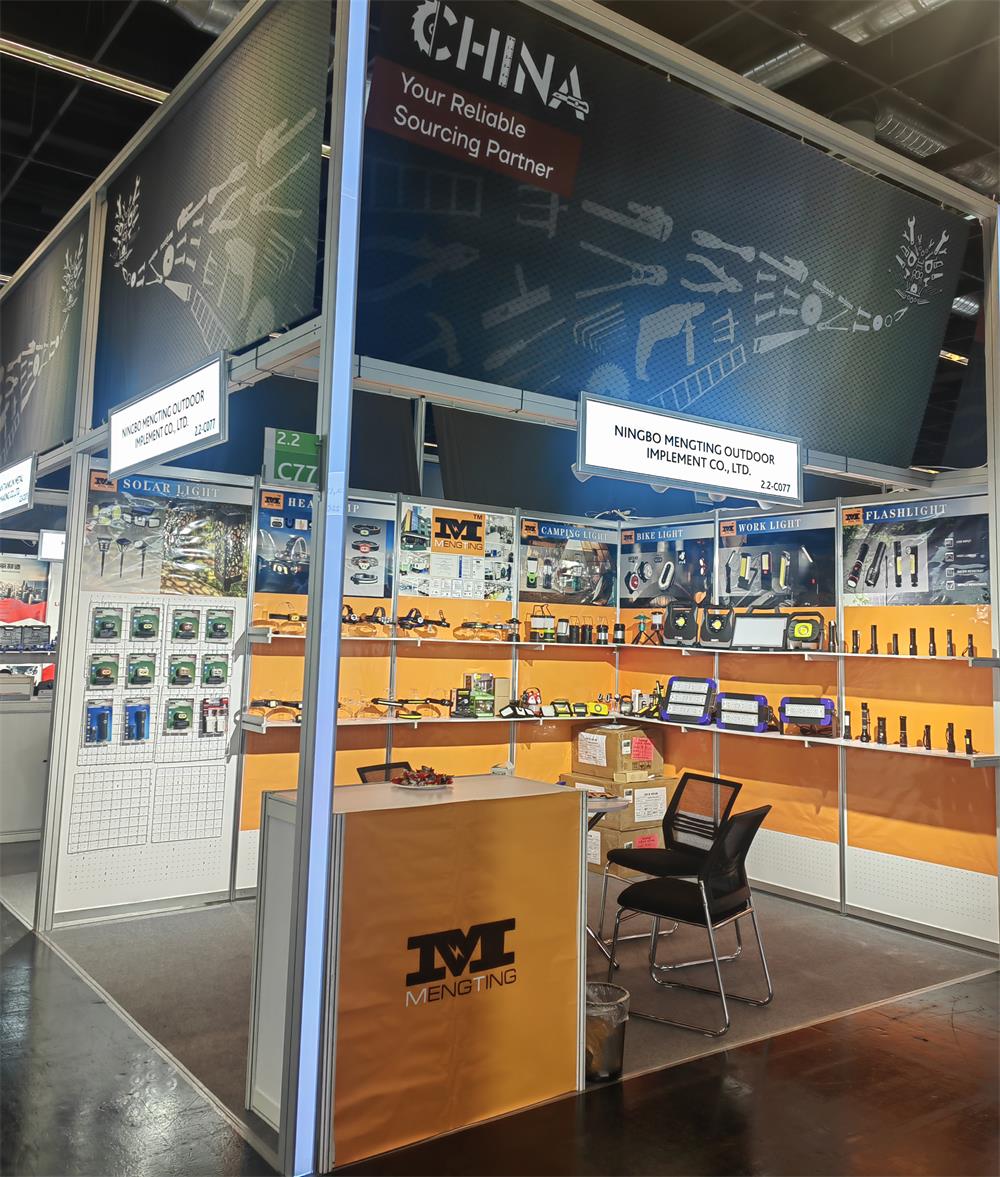
2024 Cologne Hardware Show
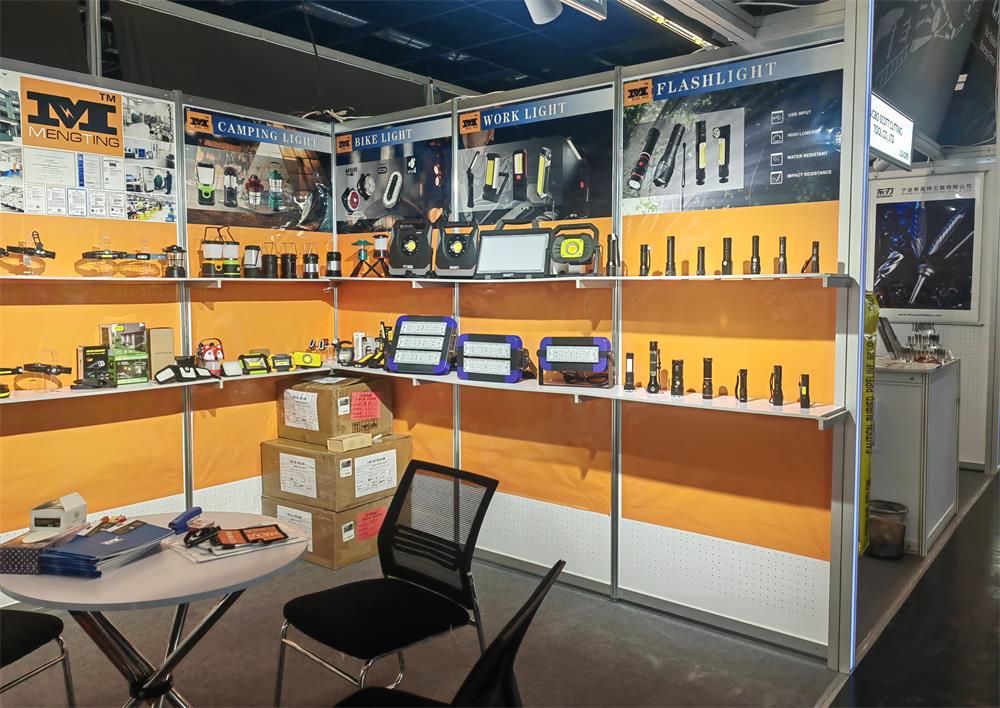
Cologne Hardware Show, Germany
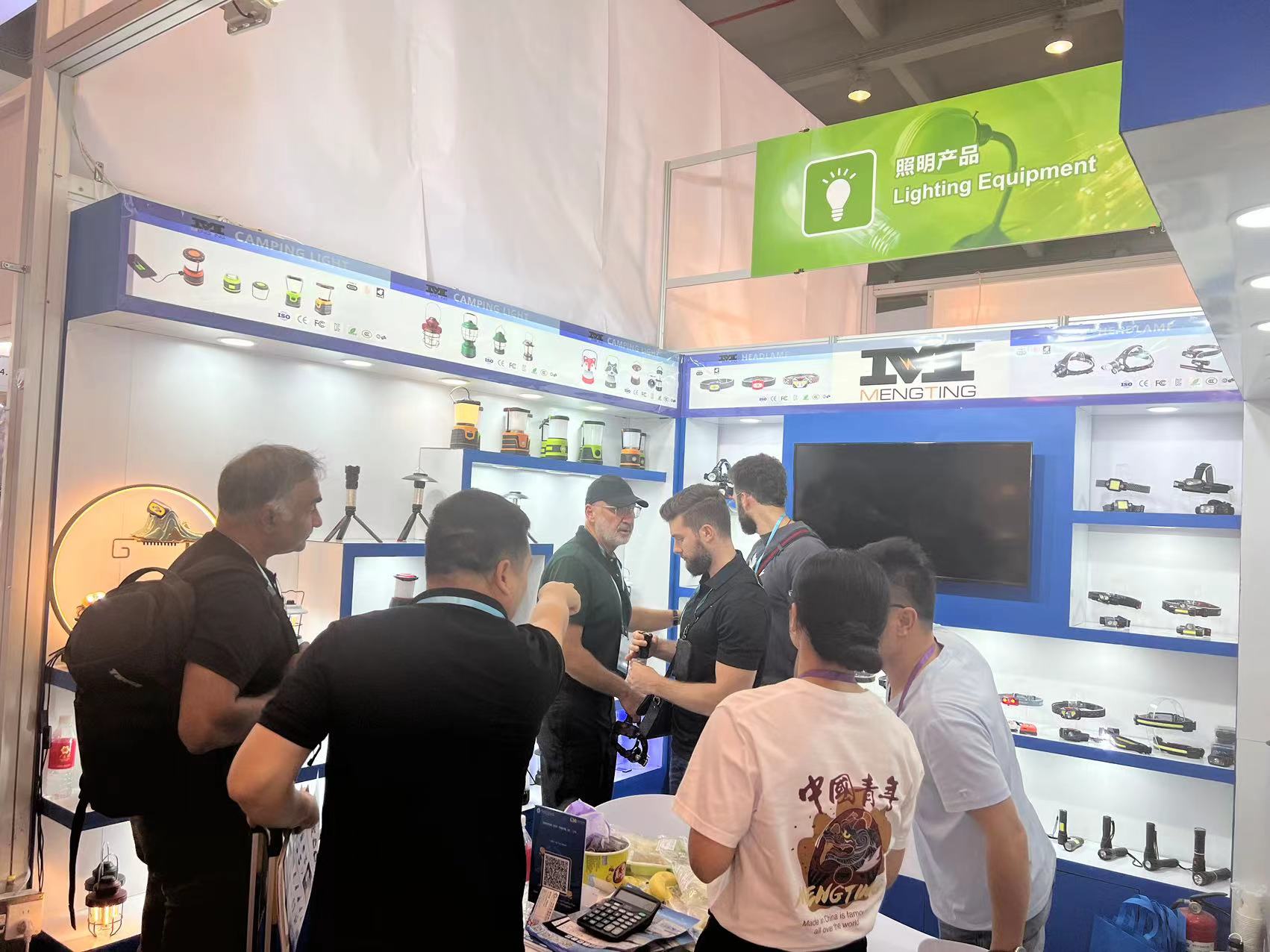
2023 Canton Import & Export Fair
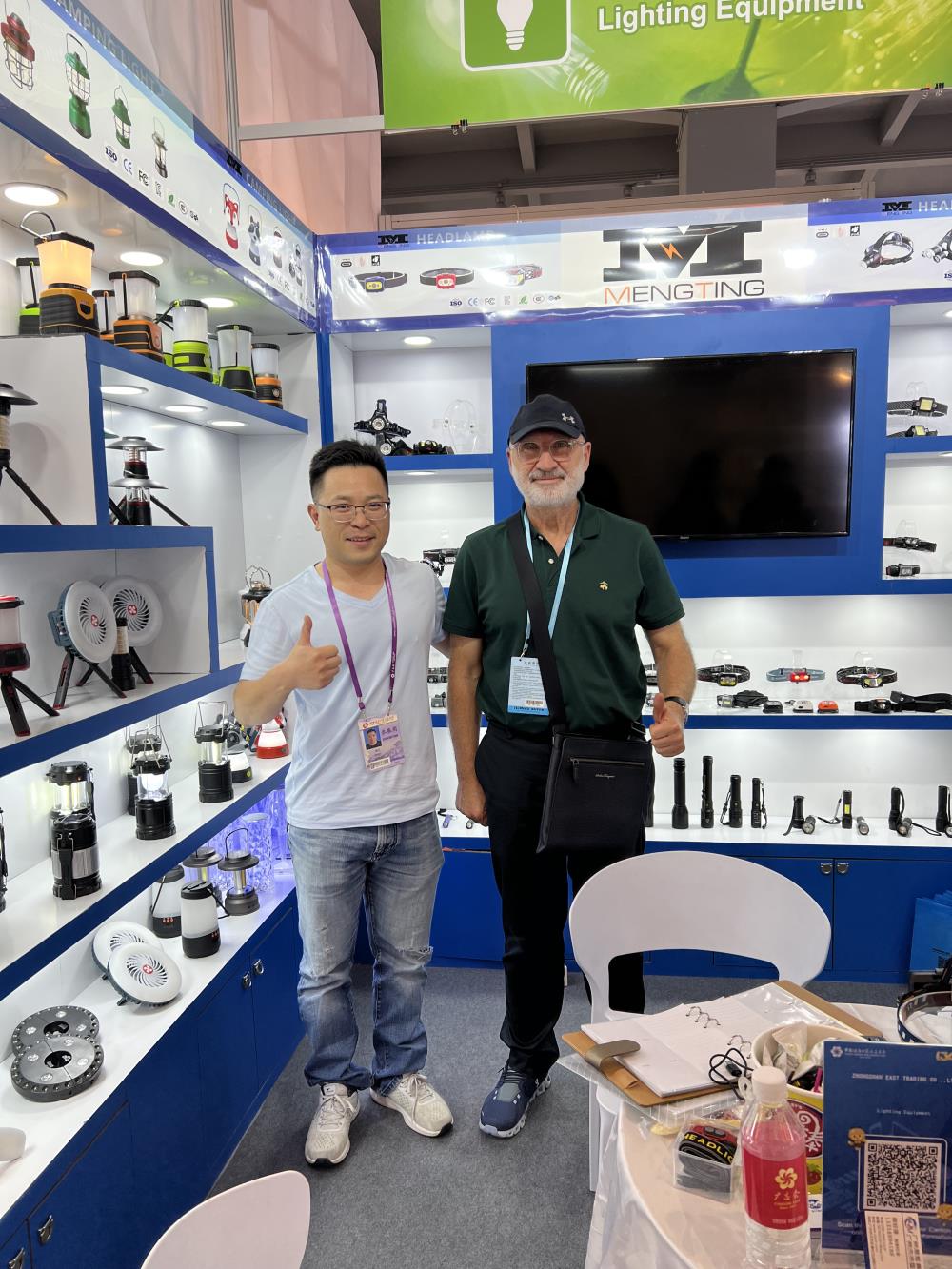
2023 China Import & Export Fair
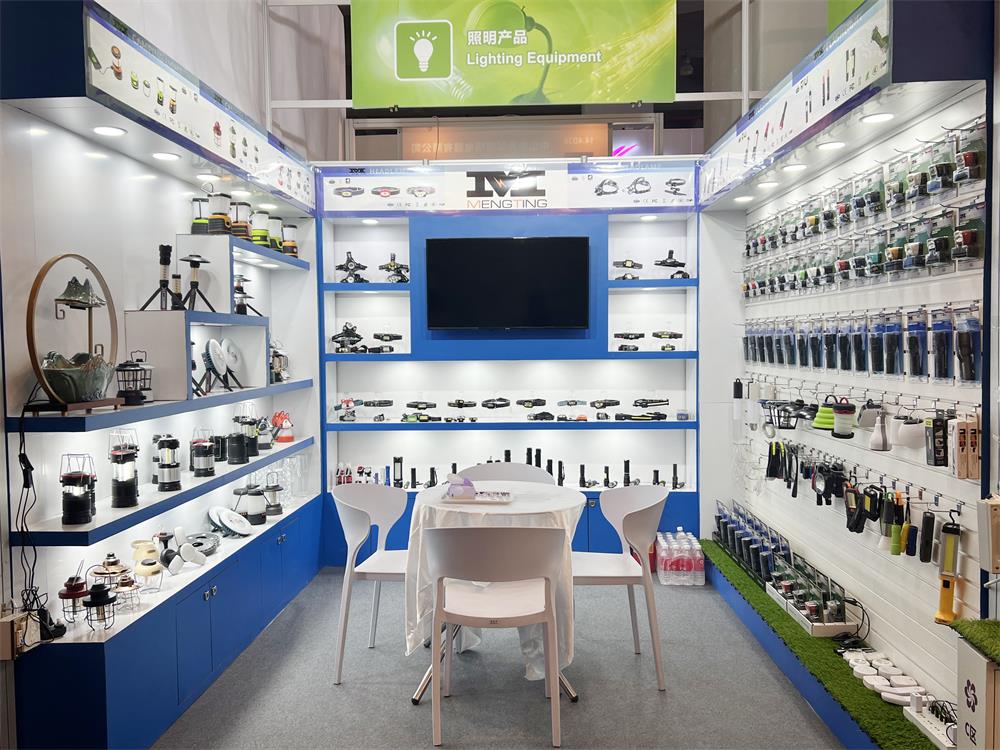
20231018 Canton Fair Booth
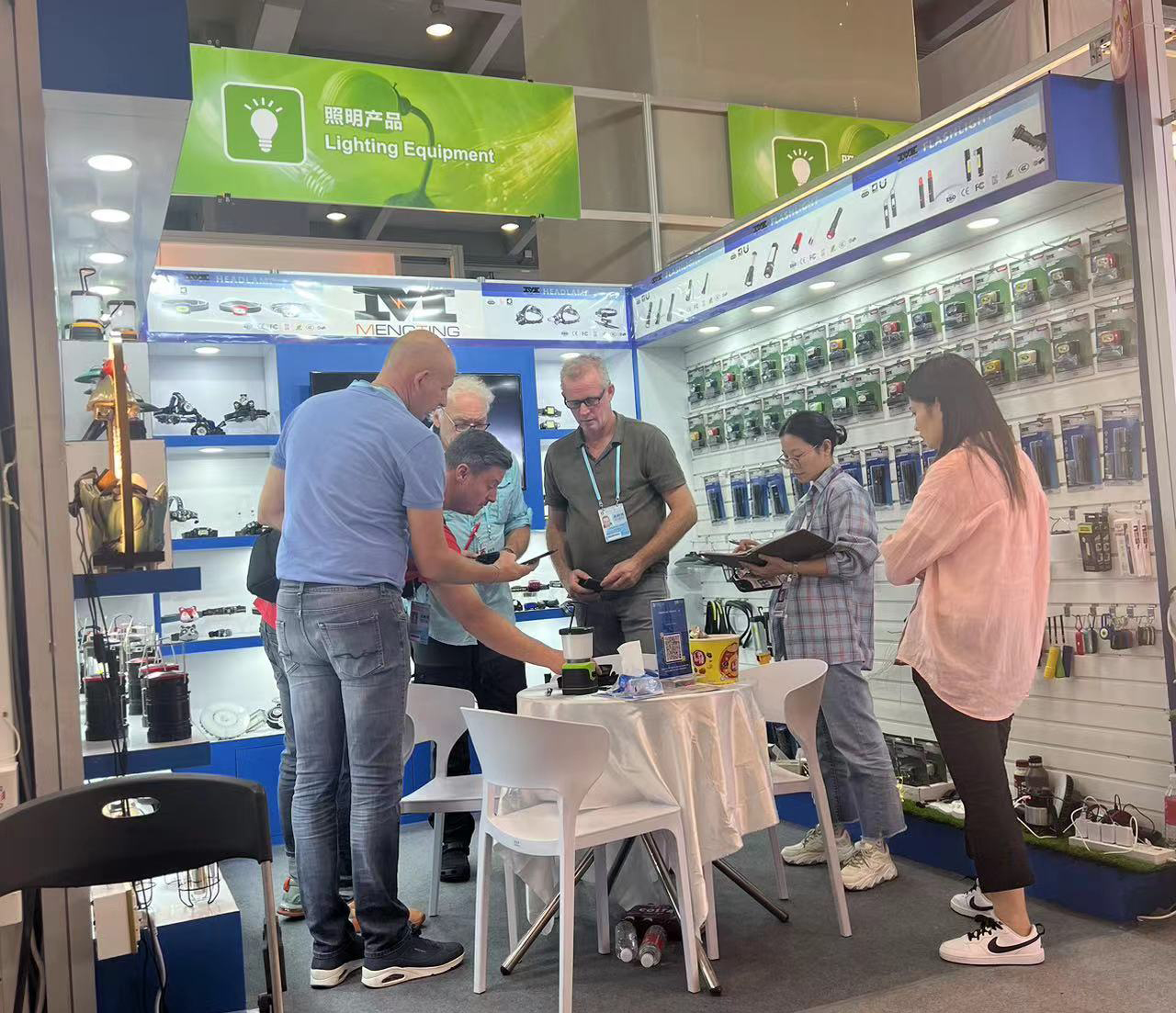
20231018 Canton Fair
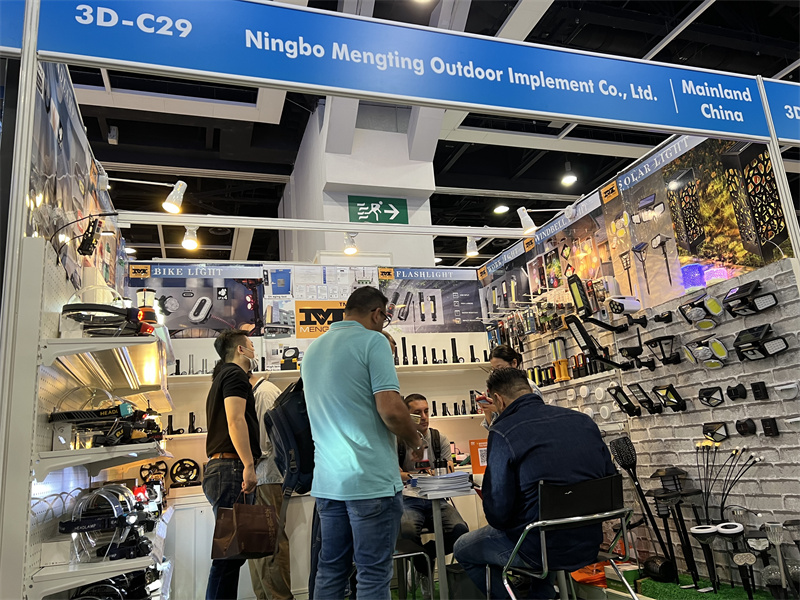
20230412 HK Electronics Fair
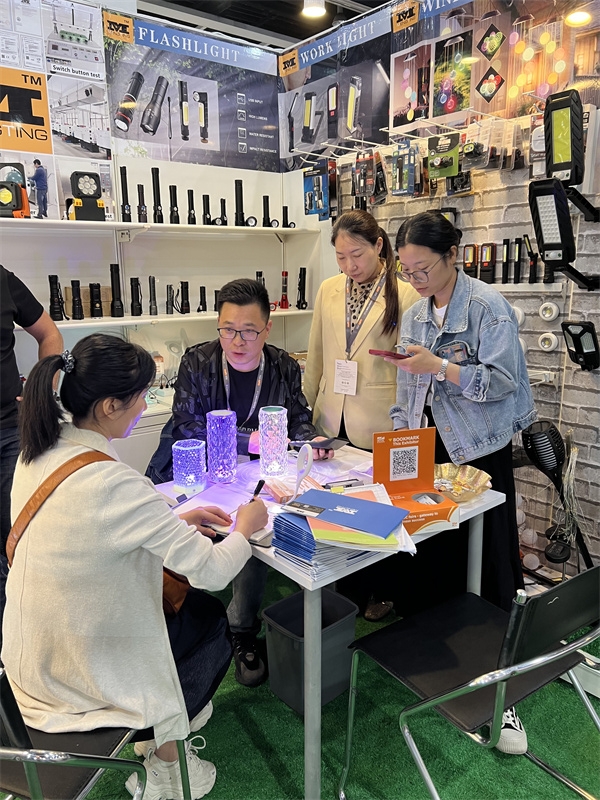
2023 HK Electronics Fair
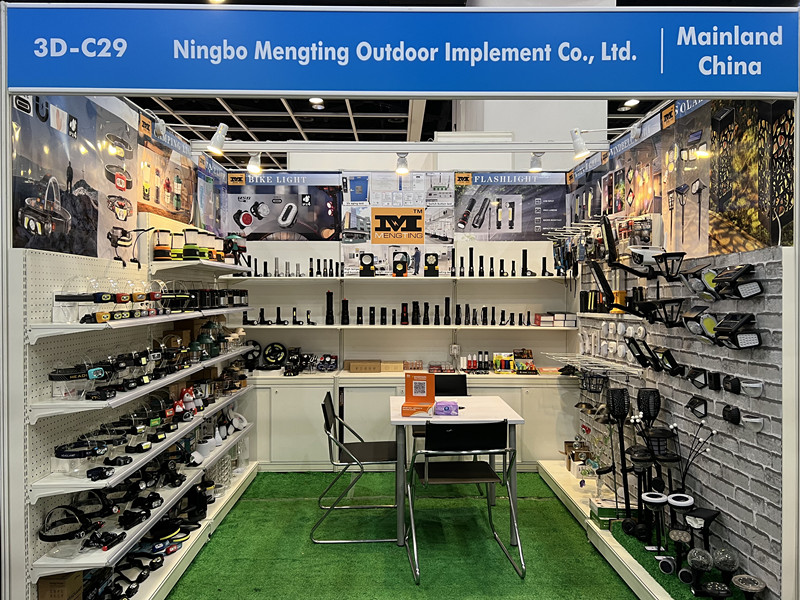
2023 HK Electronics Fair
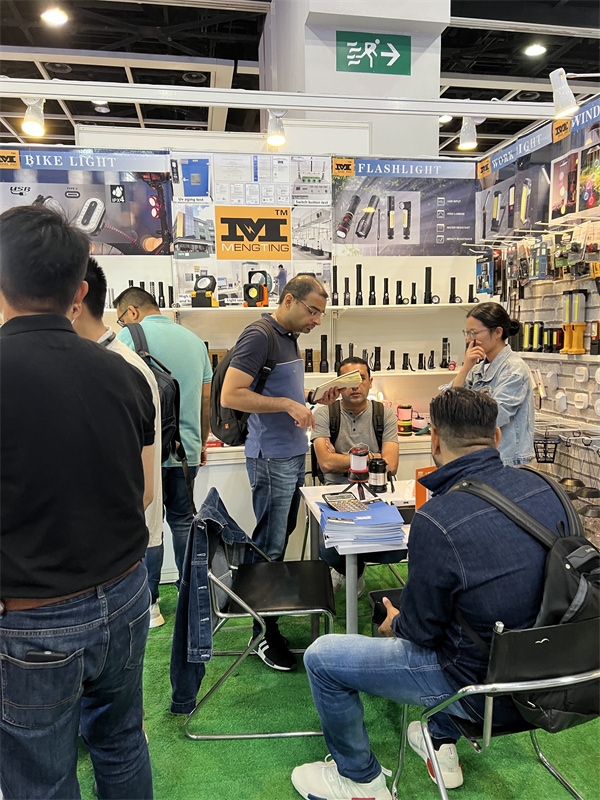
20230412 HK Electronics Fair
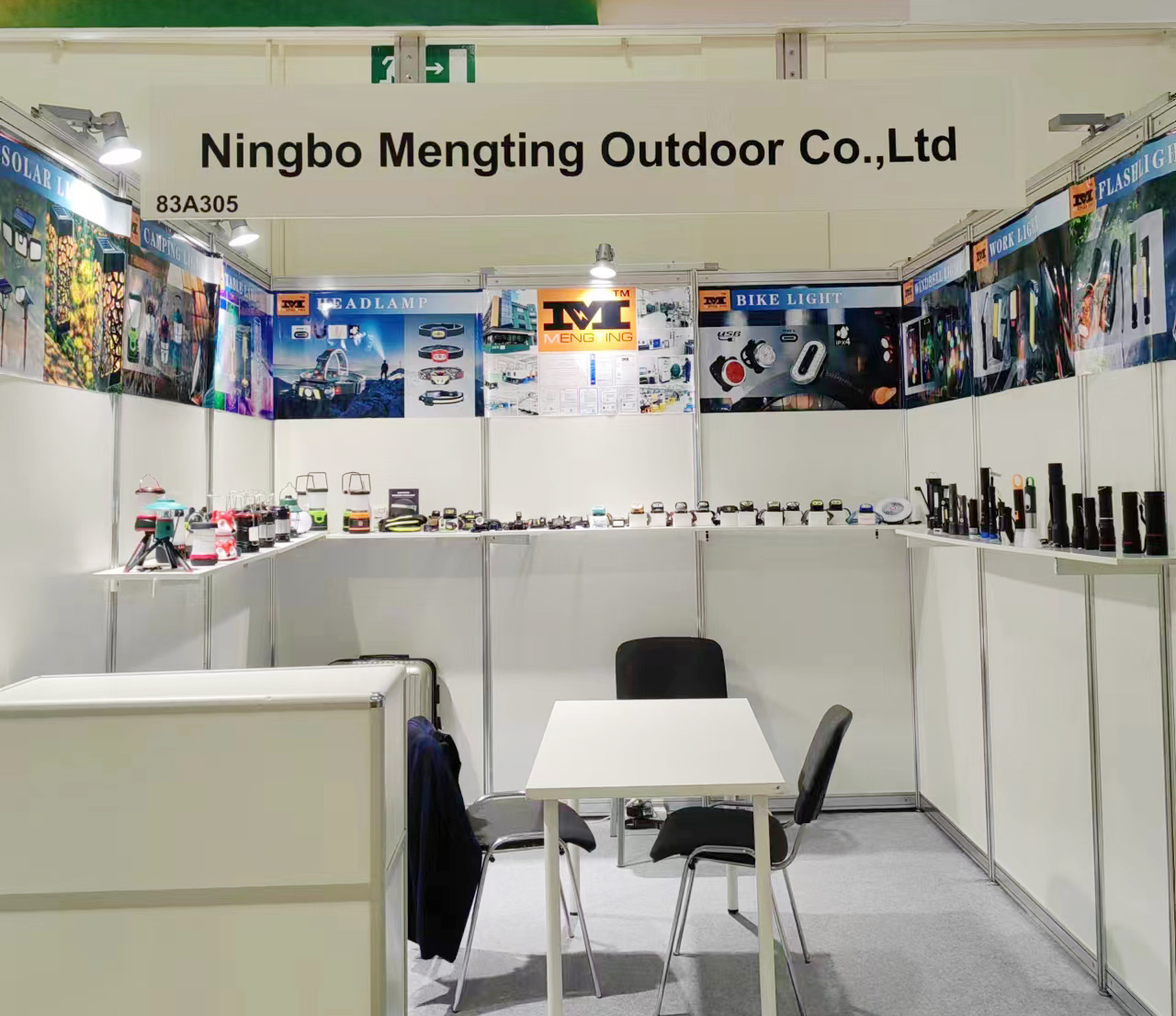
202309 Exhibitions in Russia
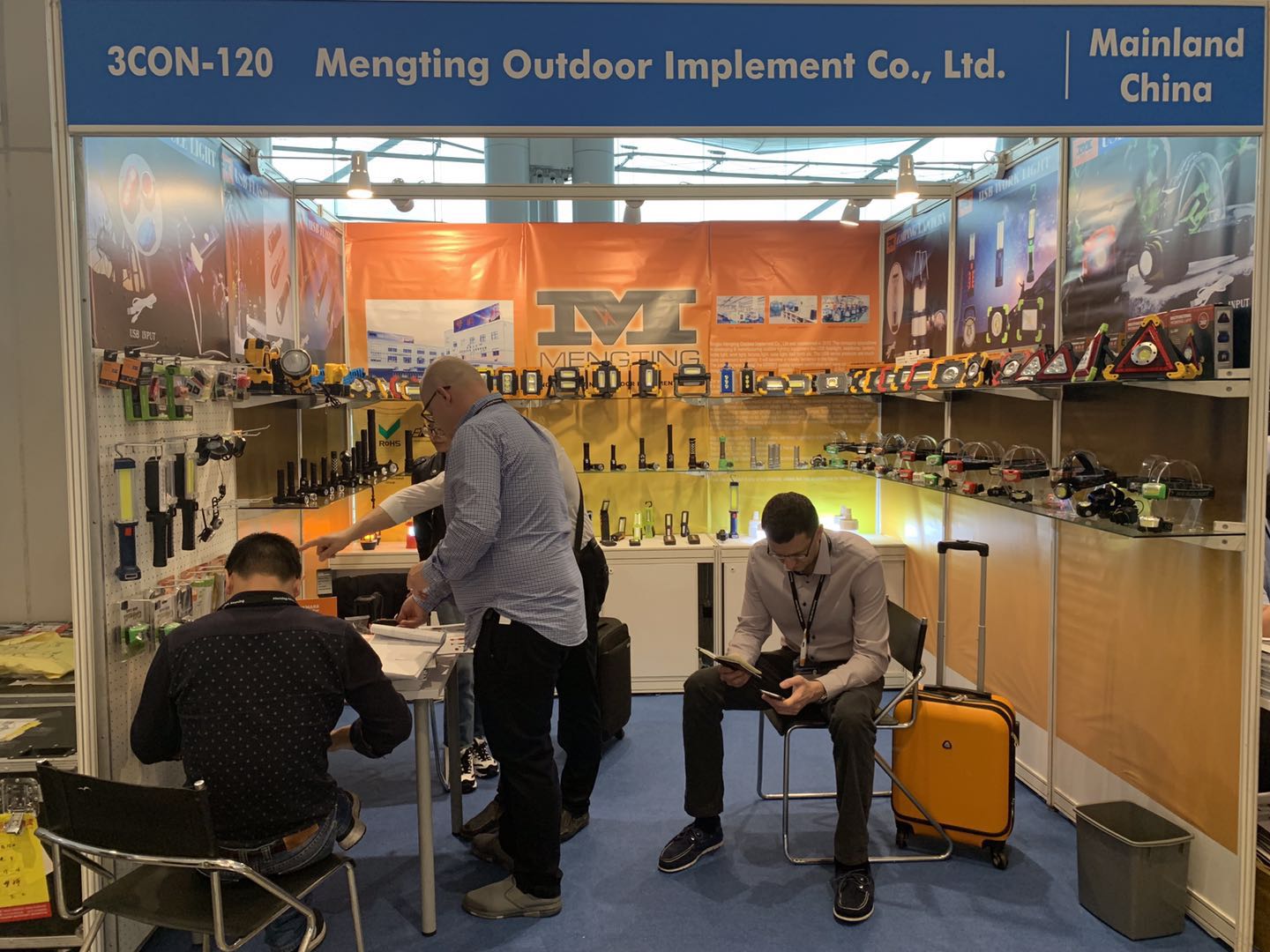
20190413 HK Electronics Fair
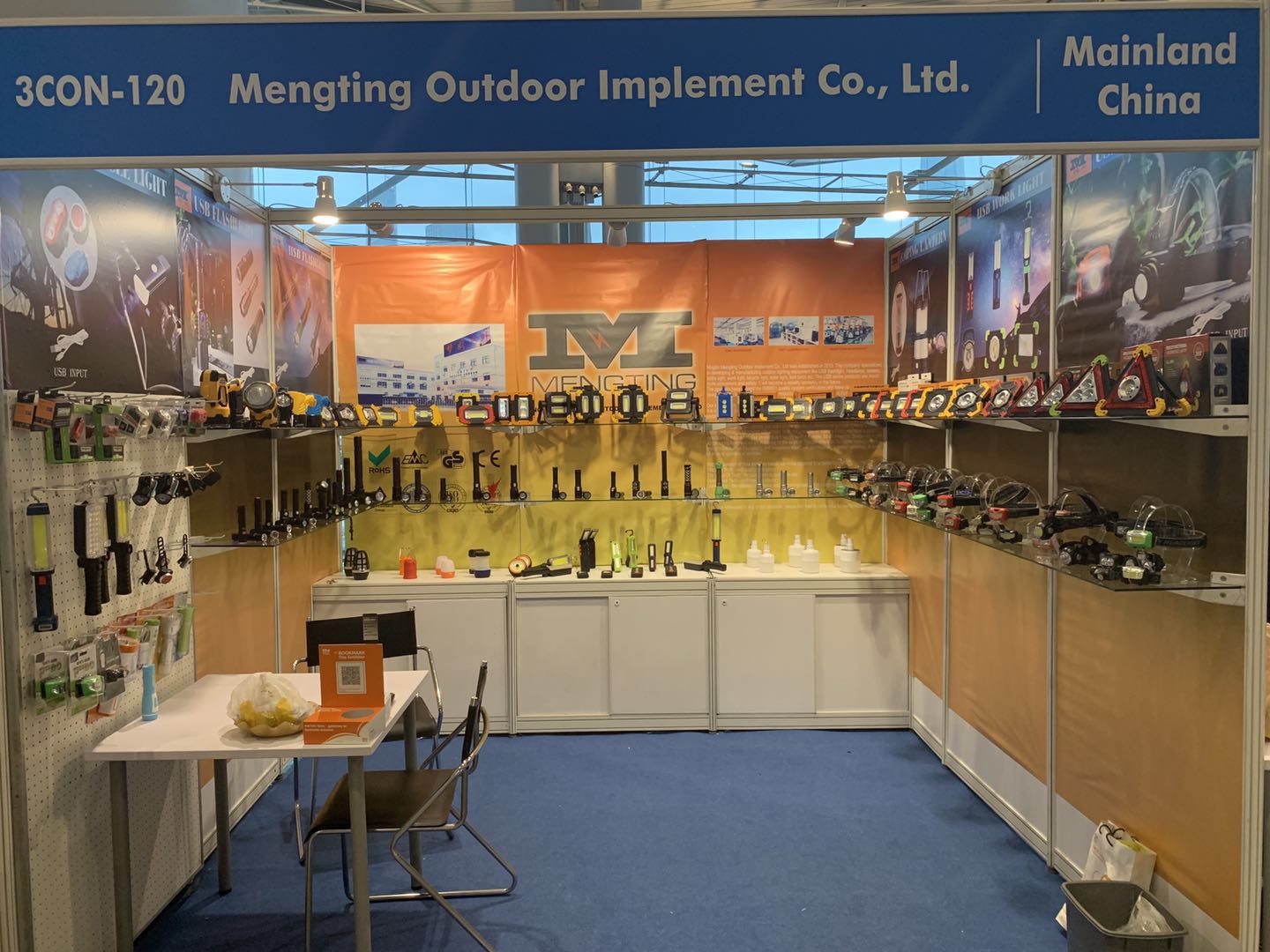
2019 HK Electronics Fair
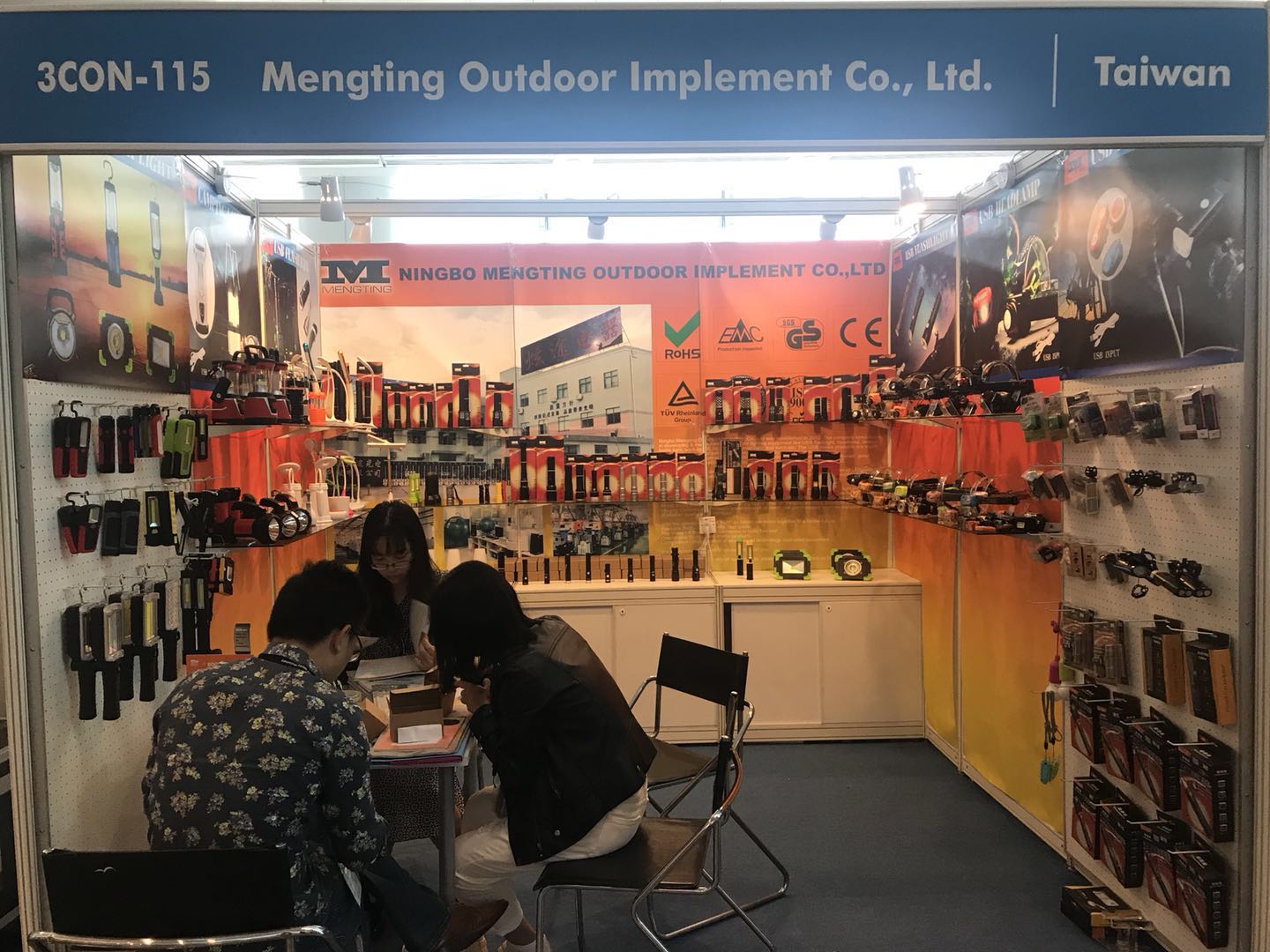
20181013 HK Electronics Fair
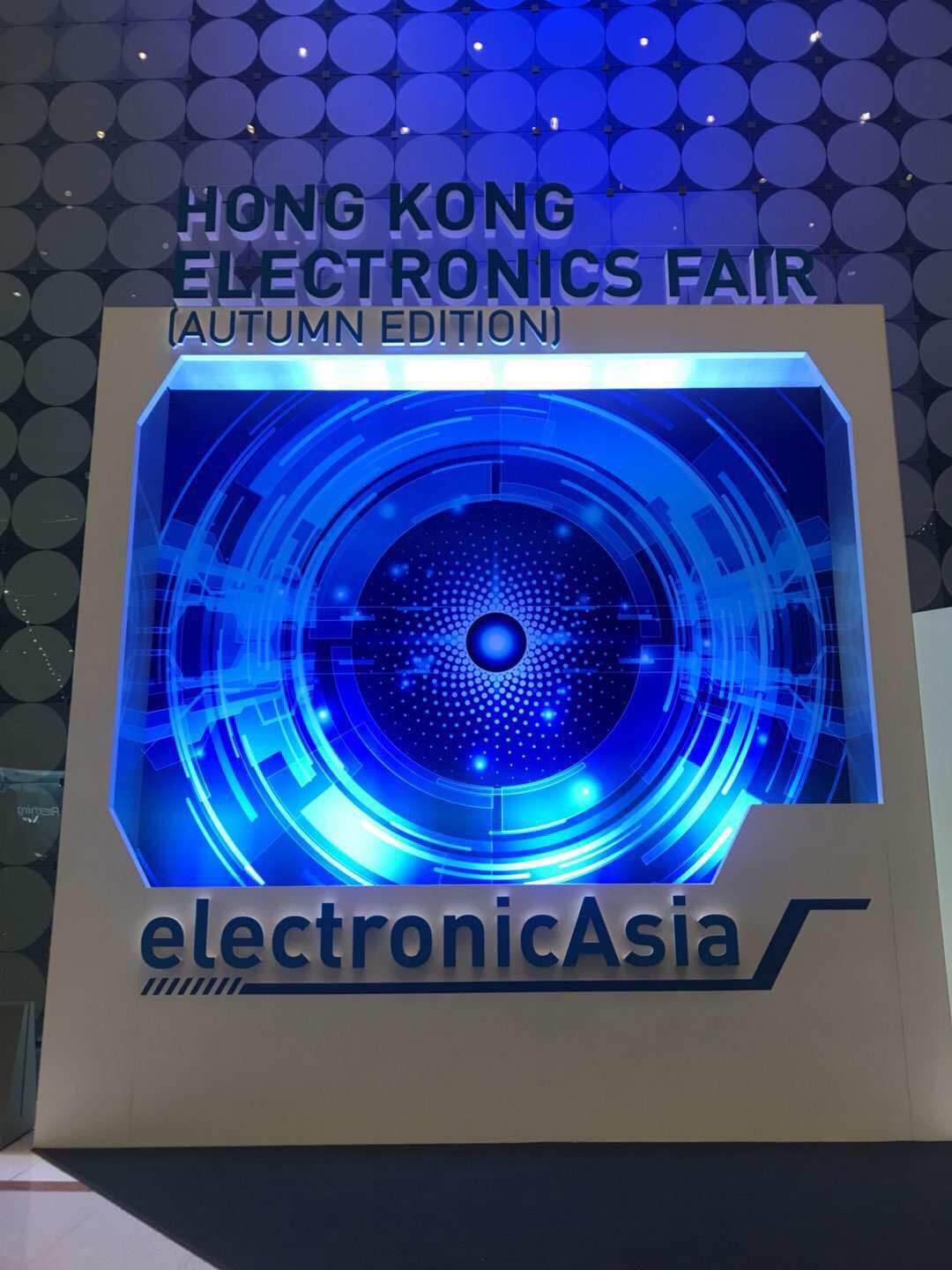
2018 HK Electronics Fair
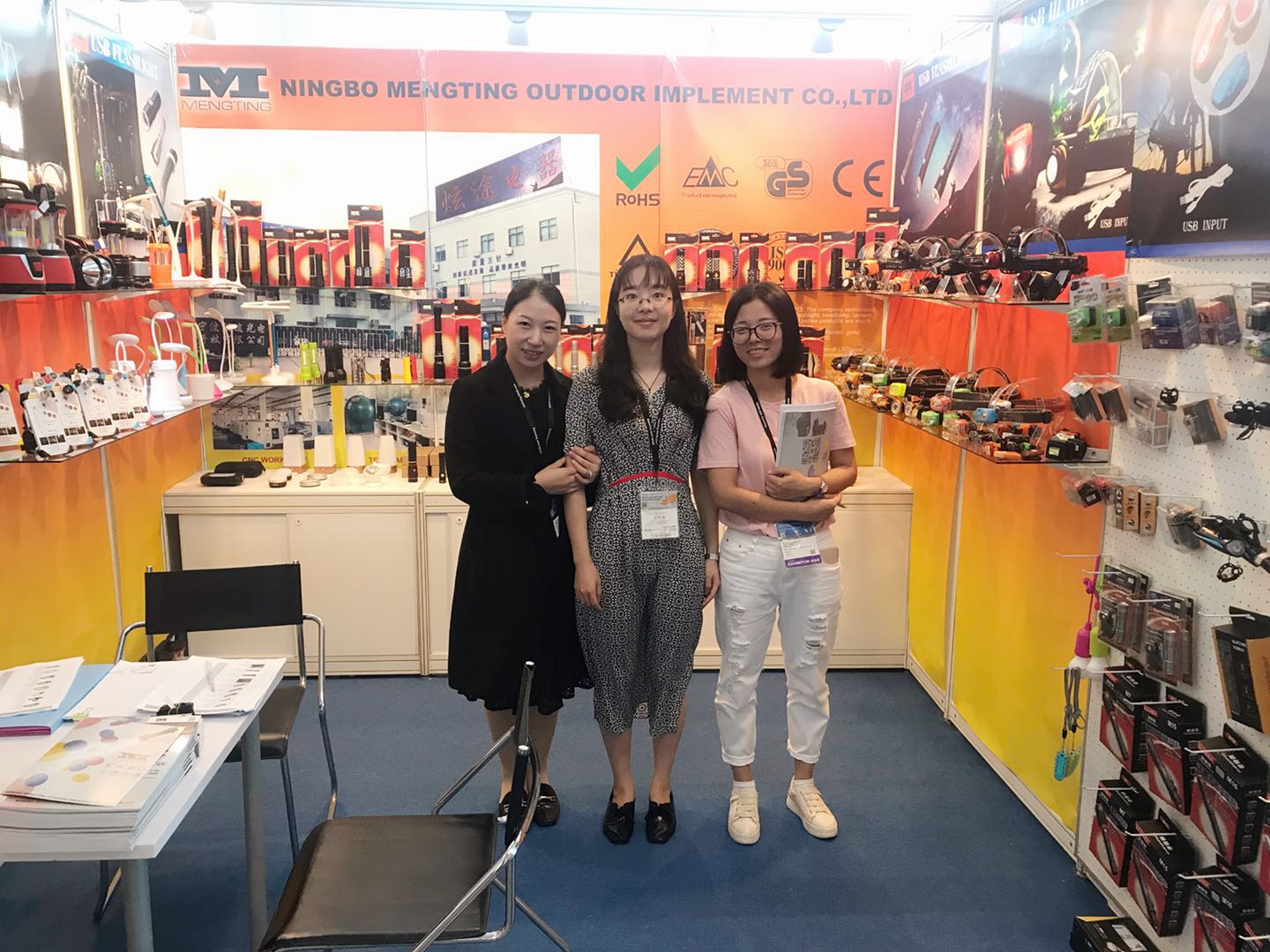
2018 HK Electronics Fair
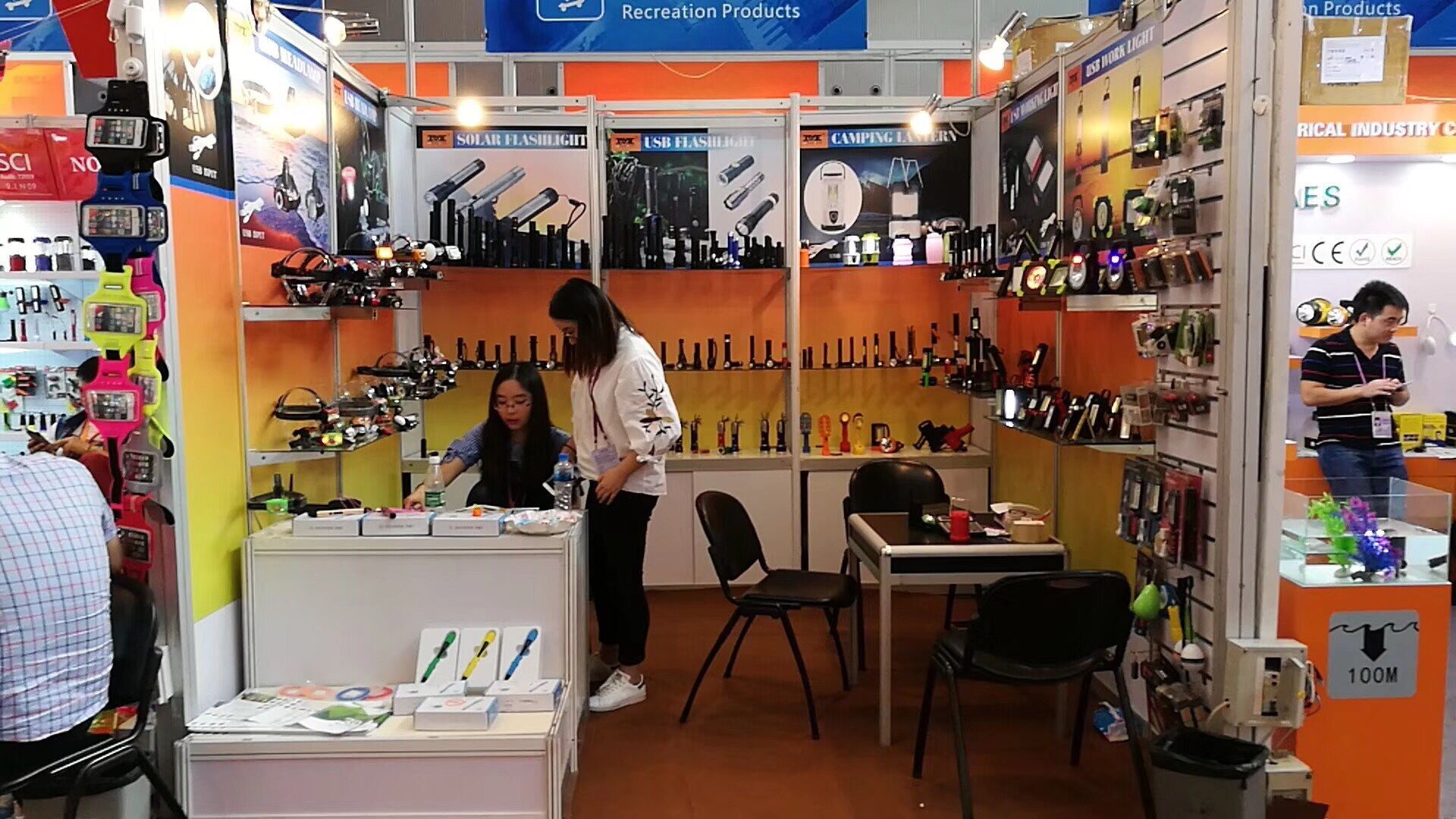
20180413 HK Electronics Fair
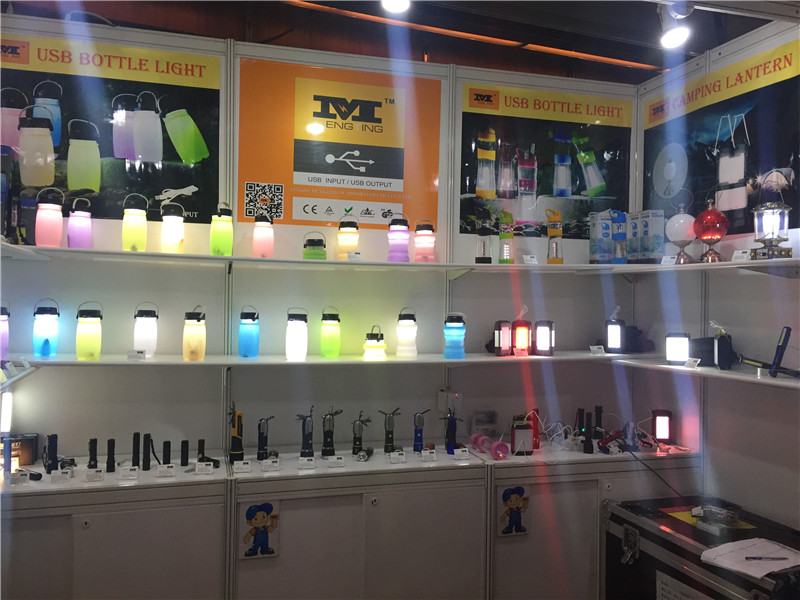
20161012 HK Electronics Fair
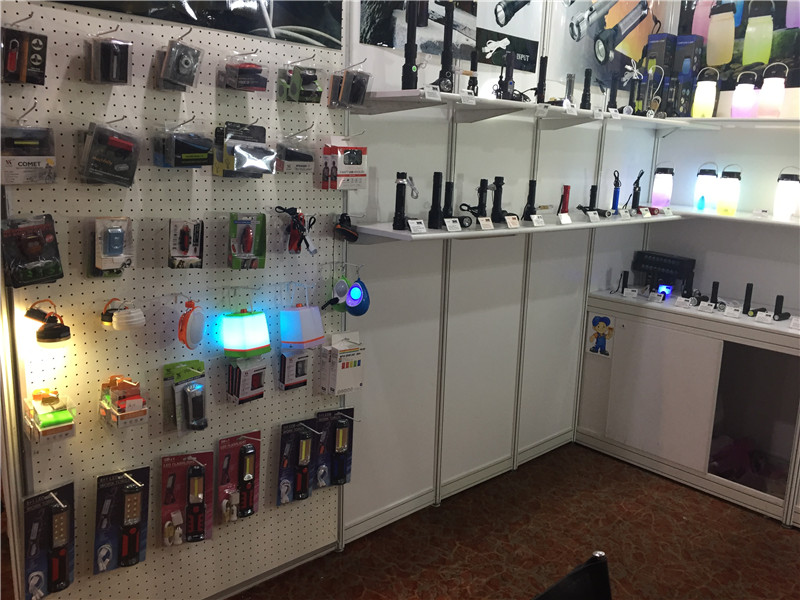
2016 HK Electronics Fair
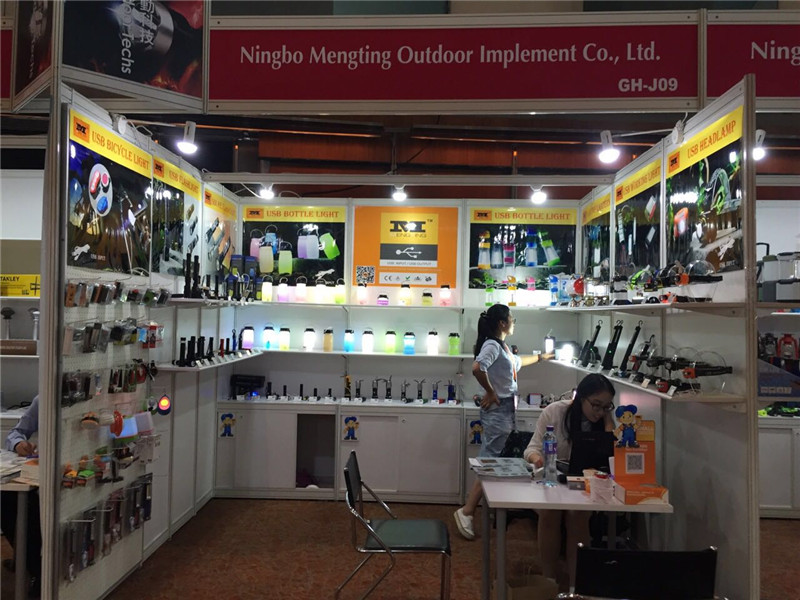
2016 HK Electronics Fair
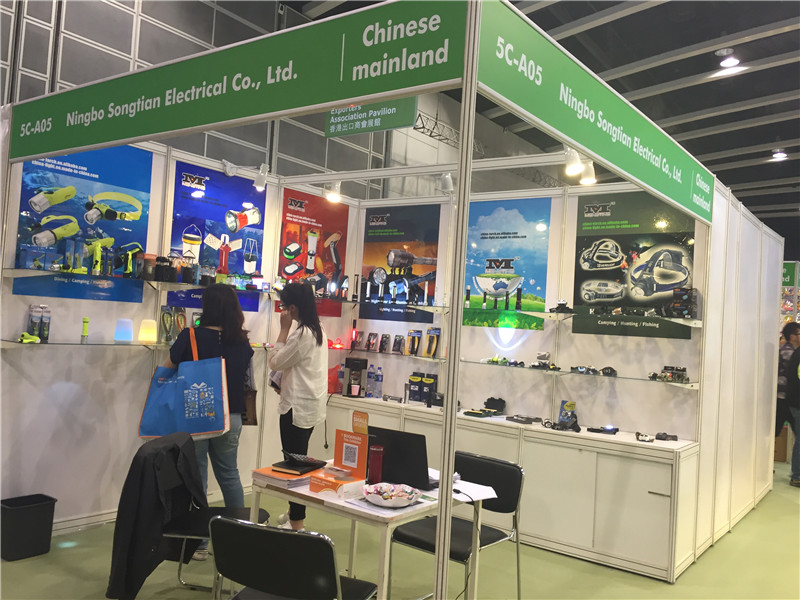
20160427 MEGA SHOW
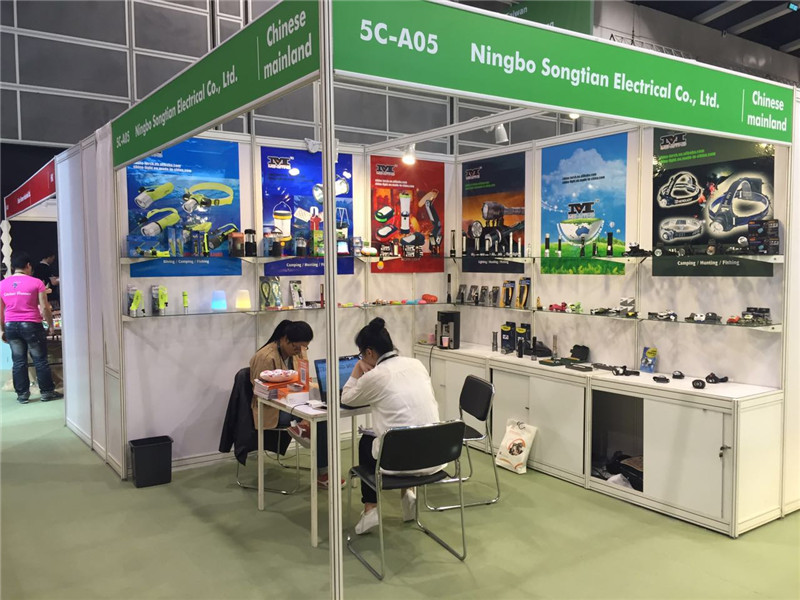
2016 MEGA SHOW Booth
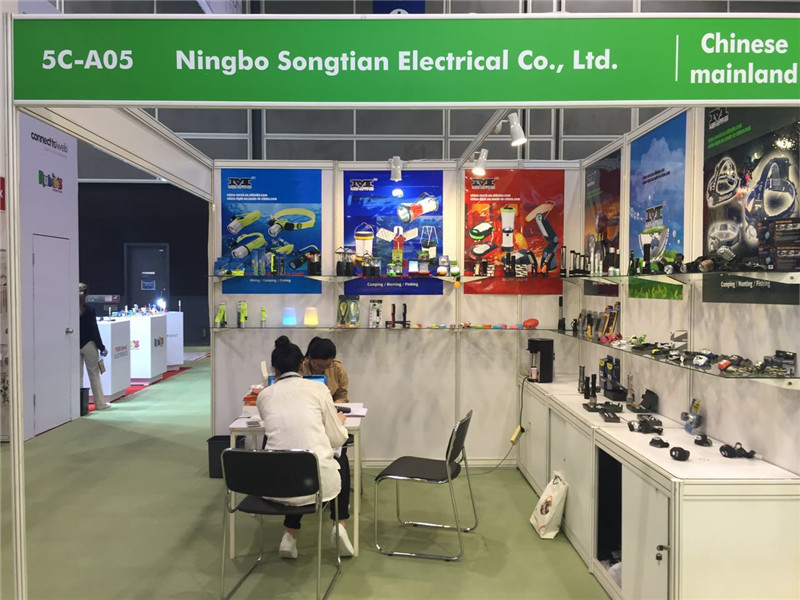
2016 MEGA SHOW Hall
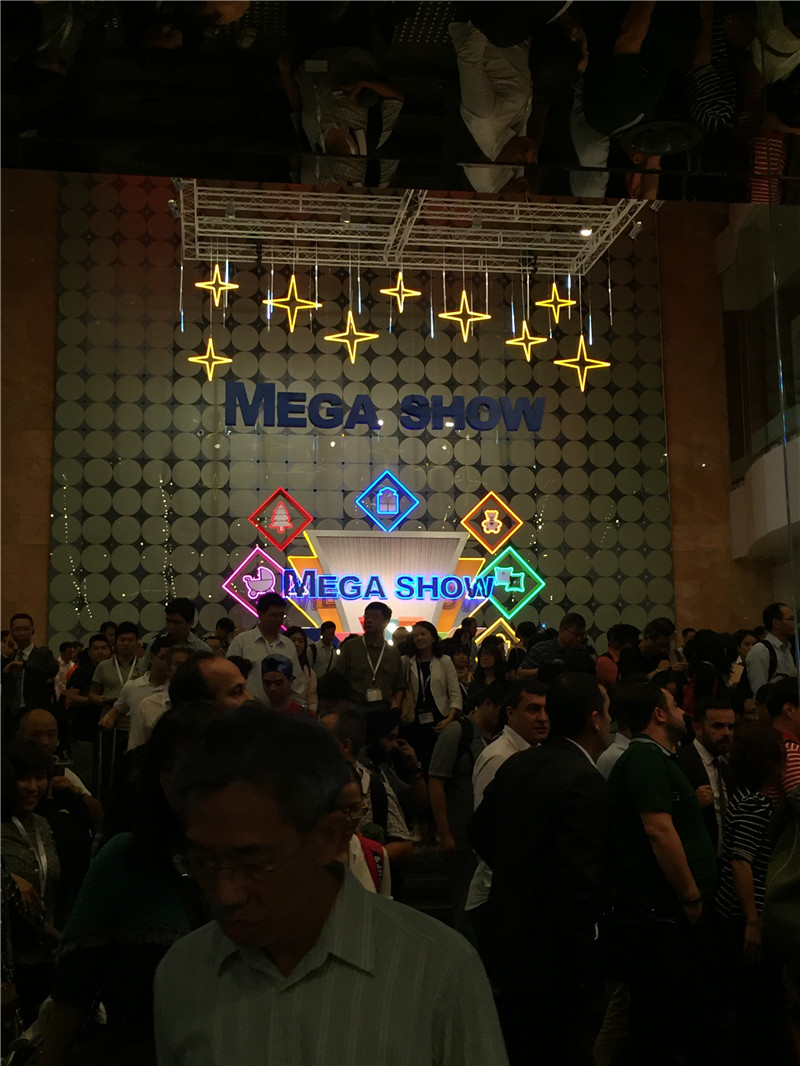
20151020 HK Electronics Fair
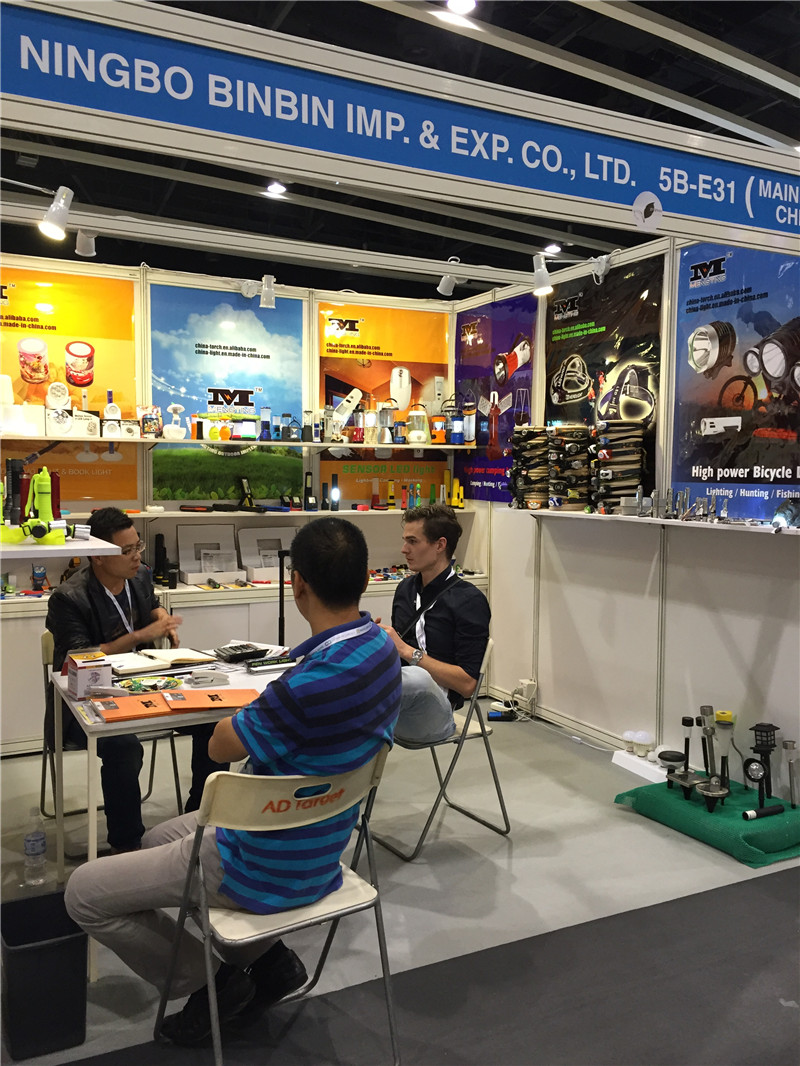
2015 HK Electronics Fair
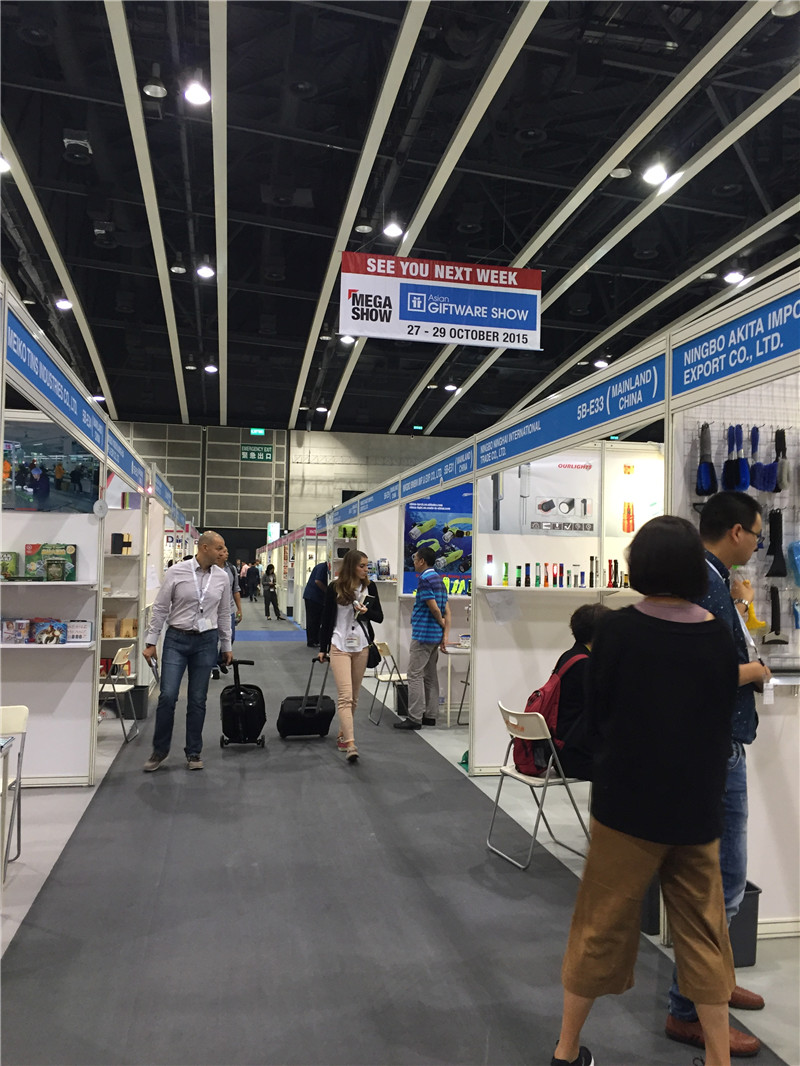
2015 HK Electronics Fair
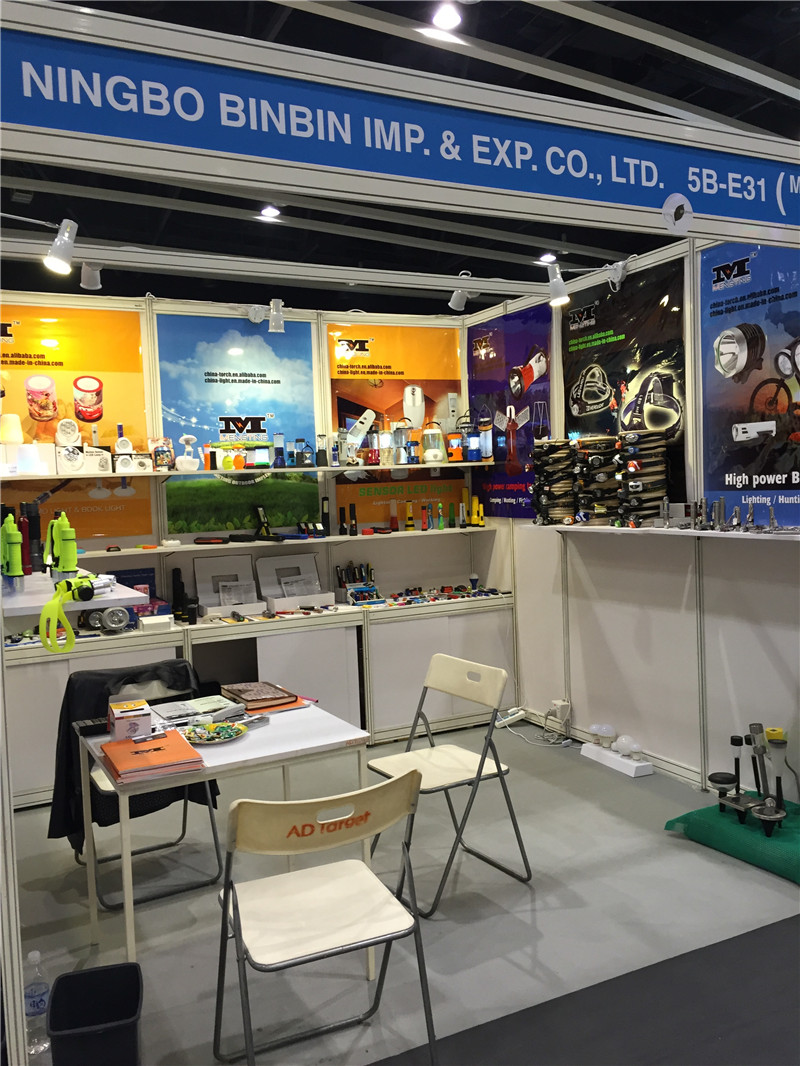
2015 HK Electronics Fair
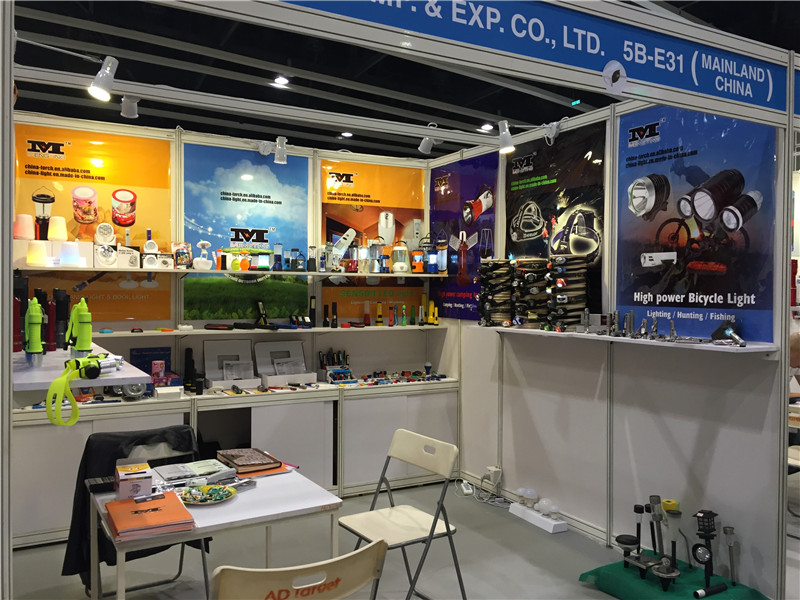
2015 HK Electronics Fair
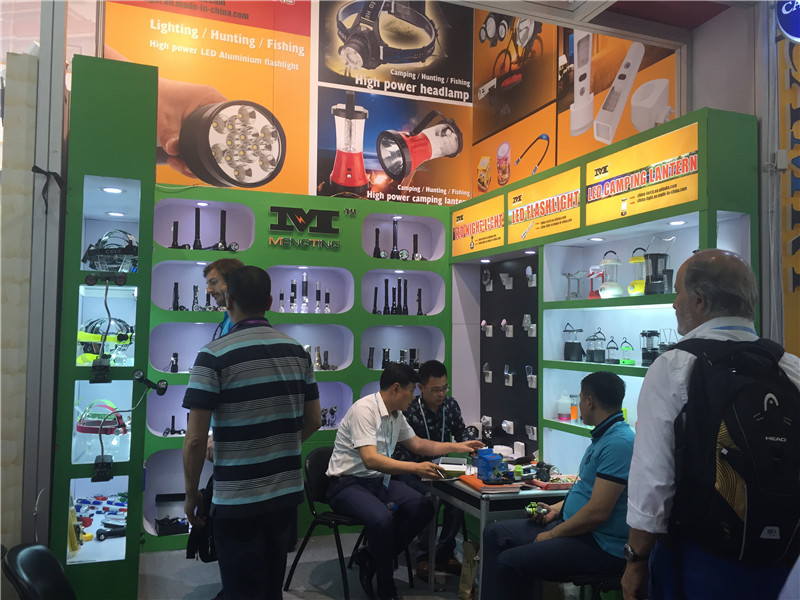
20150415 Canton Fair
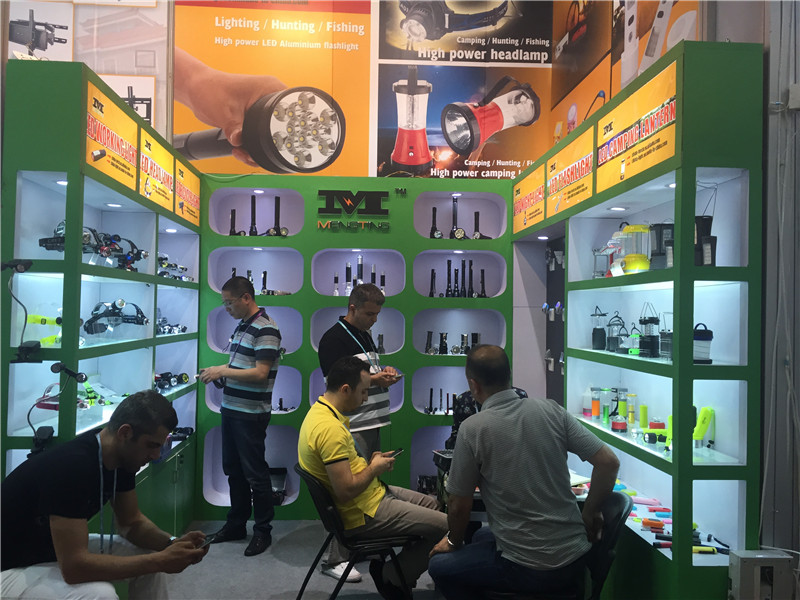
2015 Canton Fair Booth
2015 Canton Fair Hall
2015 Canton Fair
2015 Canton Fair Booth
2015 Canton Fair Hall
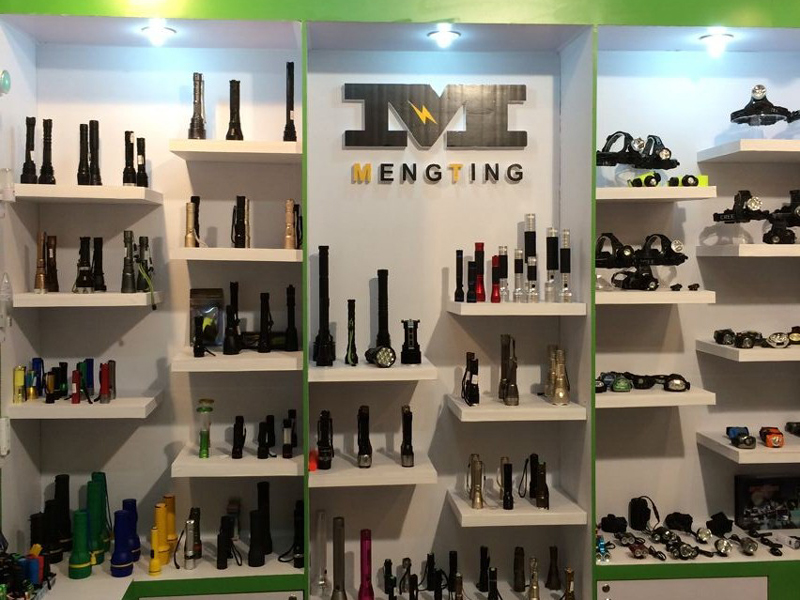
20140501 Canton Fair
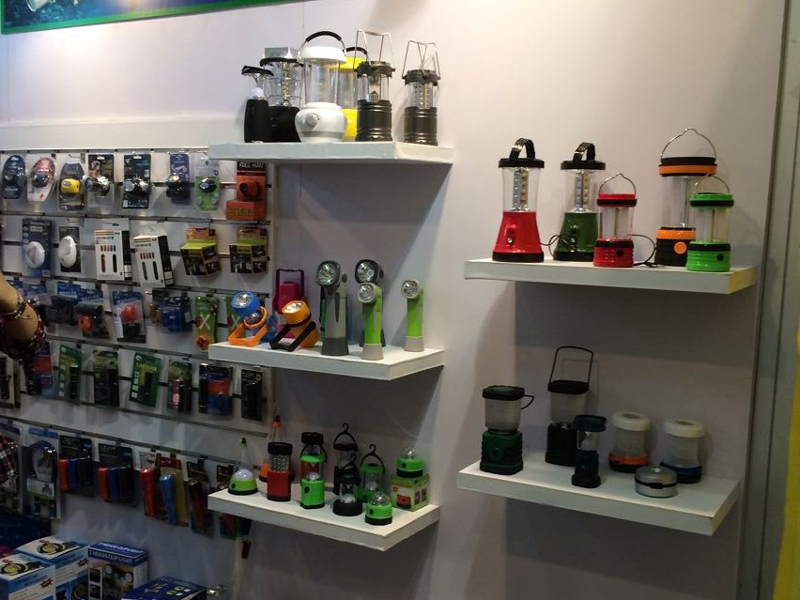
2014 Canton Fair Booth
Adhering to International Regulatory Standards and Customer Success Frameworks
We implement strict quality control protocols across all manufacturing phases. Our facilities are certified to international standards.






Technical Answers to Key Inquiries from Procurement Directors and Outdoor Architects
Commercial performance relies on three core parameters: monocrystalline solar conversion efficiency (exceeding 21%), battery cycle life (LiFePO4 with over 2000 cycles), and protective enclosure metrics (IP66 minimum ingress protection coupled with marine-grade materials to prevent rust and degradation in coastal or high-humidity regions).
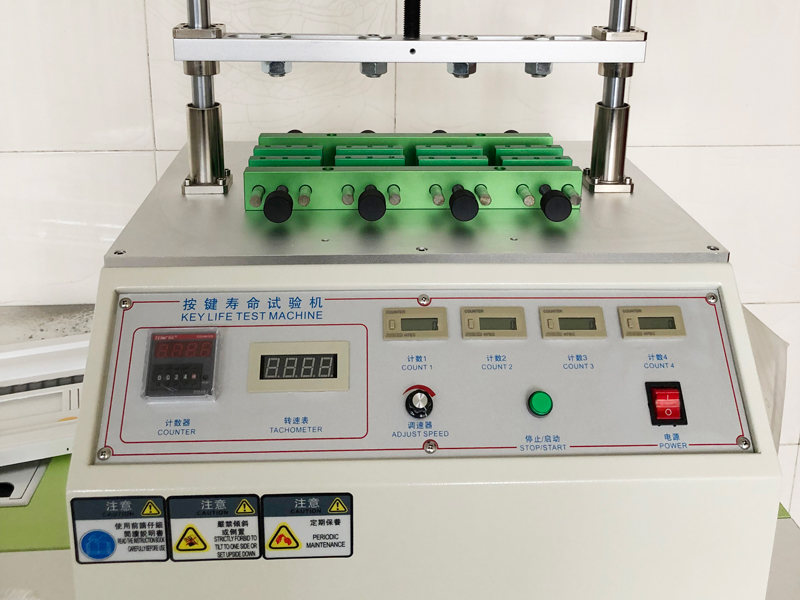
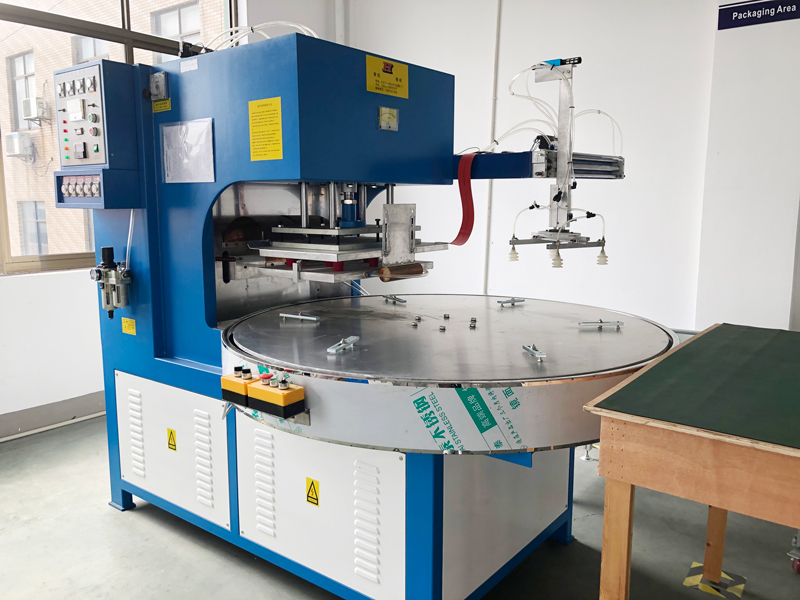
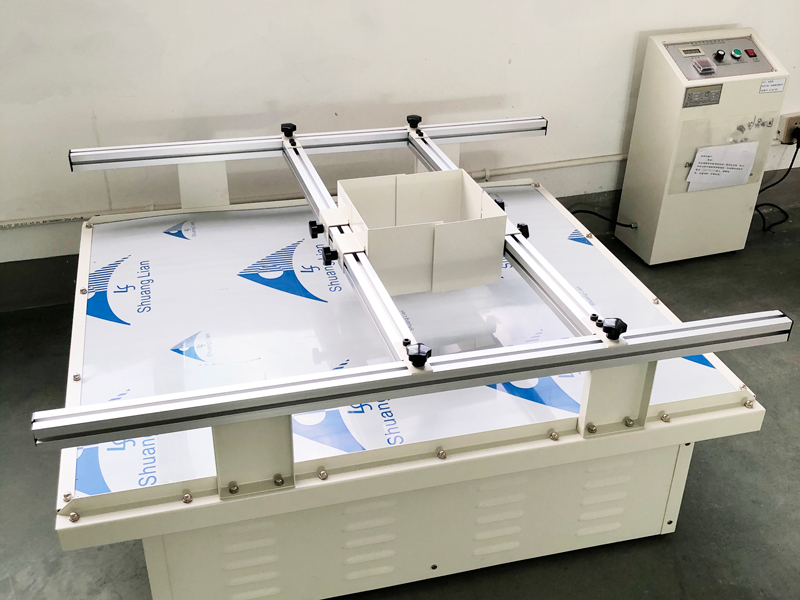
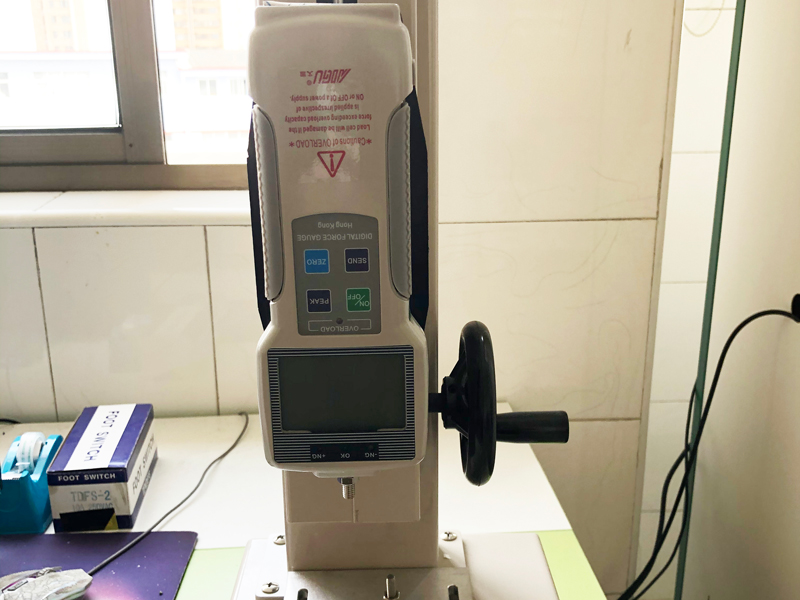
Every product line undergoes rigorous laboratory evaluations before mass manufacturing. Our quality control system includes Integrating Sphere validation for optical metrics, Rain Testing chambers for ingress ratings, High Temperature & Humidity aging cabinets for circuit safety, and physical vibration drop tests.
Yes. As a primary manufacturer founded in 2014, we operate a dedicated 2800 sqm production facility equipped with high-speed manufacturing apparatus. We support custom casing designs, private label branding, specific LED spectral binning (including RGB, RGBW, and warm white variants), and custom battery capacities to suit regional climate demands.
Our production facilities are situated in Jiangshan Town, Ningbo, which is strategically located only a half-hour drive from Beilun Port (Ningbo Port). We maintain a 99% on-time delivery rate. Standard order processing ranges from 25 to 40 days depending on custom component requirements.
Extreme cold drops battery efficiency, while extreme heat degrades standard lithium cells. Our industrial-grade solar light fixtures incorporate passive thermal management fins to dissipate LED heat and utilize advanced Lithium Iron Phosphate (LiFePO4) battery packs designed to maintain operational stability from -20°C to 60°C.
Our advanced systems support integration with Bluetooth Mesh and Zigbee-based platforms like Tuya Smart, as well as DMX512 controllers for larger architectural layouts. This enables scheduled programming, color synchronization, dimming cycles, and remote monitoring of battery status directly via mobile or central building management platforms.
Explore Our Full Range of Heavy-Duty Portable & Emergency Lighting Solutions
Learn More →
Learn More →
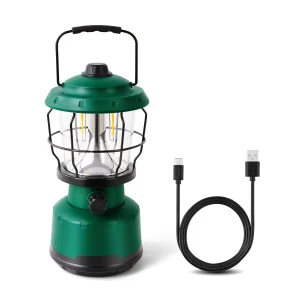
Learn More →
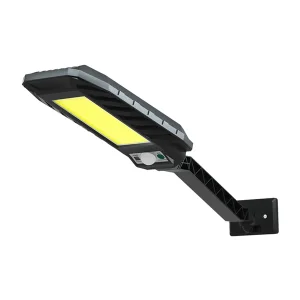
Learn More →
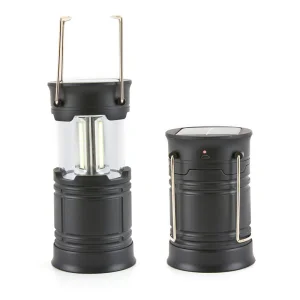
Learn More →
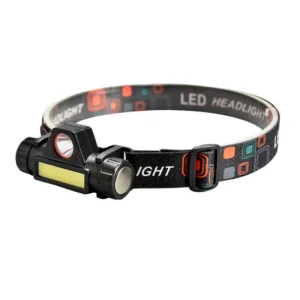
Learn More →
Learn More →
Learn More →
 MENGTING